The Policy Pivot
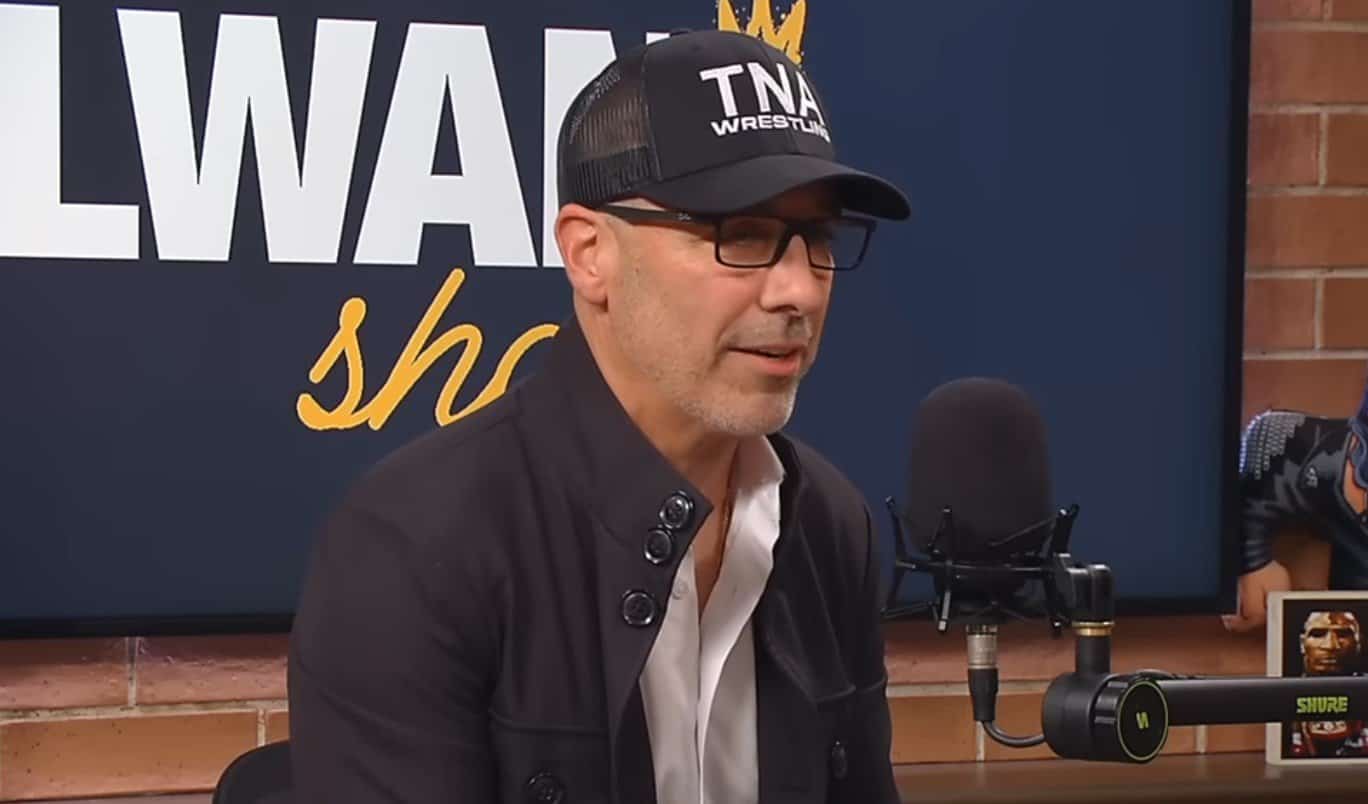
TNA President Carlos Silva has finally broken his silence regarding the controversial decision to yank his promotion’s talent from high-profile indie bookings against AEW stars. The move sent shockwaves through the independent circuit, specifically derailing anticipated bouts involving MJF. Silva’s explanation centers on a protective stance for his roster, though it smells like a fundamental shift in how TNA manages the exposure of its performers.
As Wrestling Inc reported, Silva claims the pullbacks were a calculated business decision. He insists that TNA is compensating talent for the lost revenue of those specific indie dates. This level of internal management suggests a tighter grip on where TNA stars appear, effectively ending the era of 'free-for-all' scheduling that has defined much of modern independent wrestling.
I just didn’t feel it was the right time or the right environment for our stars to be mixing with that tier of competition without more control.
The logic here is transparently defensive. Silva seems worried about optics or injury risk, but pulling guys from matches against the biggest stars in the business leaves TNA looking small-time. If the goal is building a brand, sequestering your talent from a rising tide of buzz is a questionable long-term strategy. It creates a vacuum where other indie promotions might fill the void, leaving TNA on the sidelines of the current wrestling boom.
Hardy weighs in
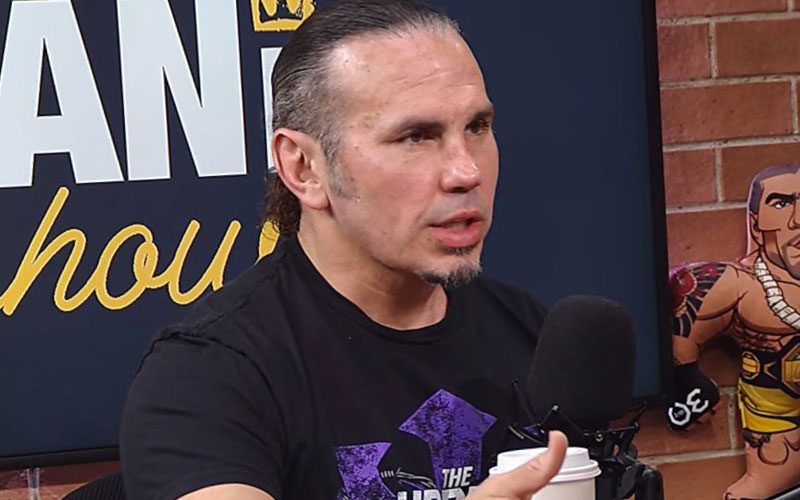
Matt Hardy, a veteran of both worlds, isn't buying the necessity of the original collaboration. He recently suggested these AEW versus TNA cross-promotional bouts never should have been cleared in the first place. Whether this is veteran wisdom or a cynical take on the volatile nature of industry politics, it adds fuel to the fire.
Hardy’s perspective highlights the friction inherent in these partnerships. When agents, promoters, and wrestlers all have different priorities, the creative product usually ends up as collateral damage. The Ringside News coverage suggests that the locker room is feeling the heat, as wrestlers are now caught between the promise of indie paydays and their contractual obligations to Silva’s vision.
What this means for the fans
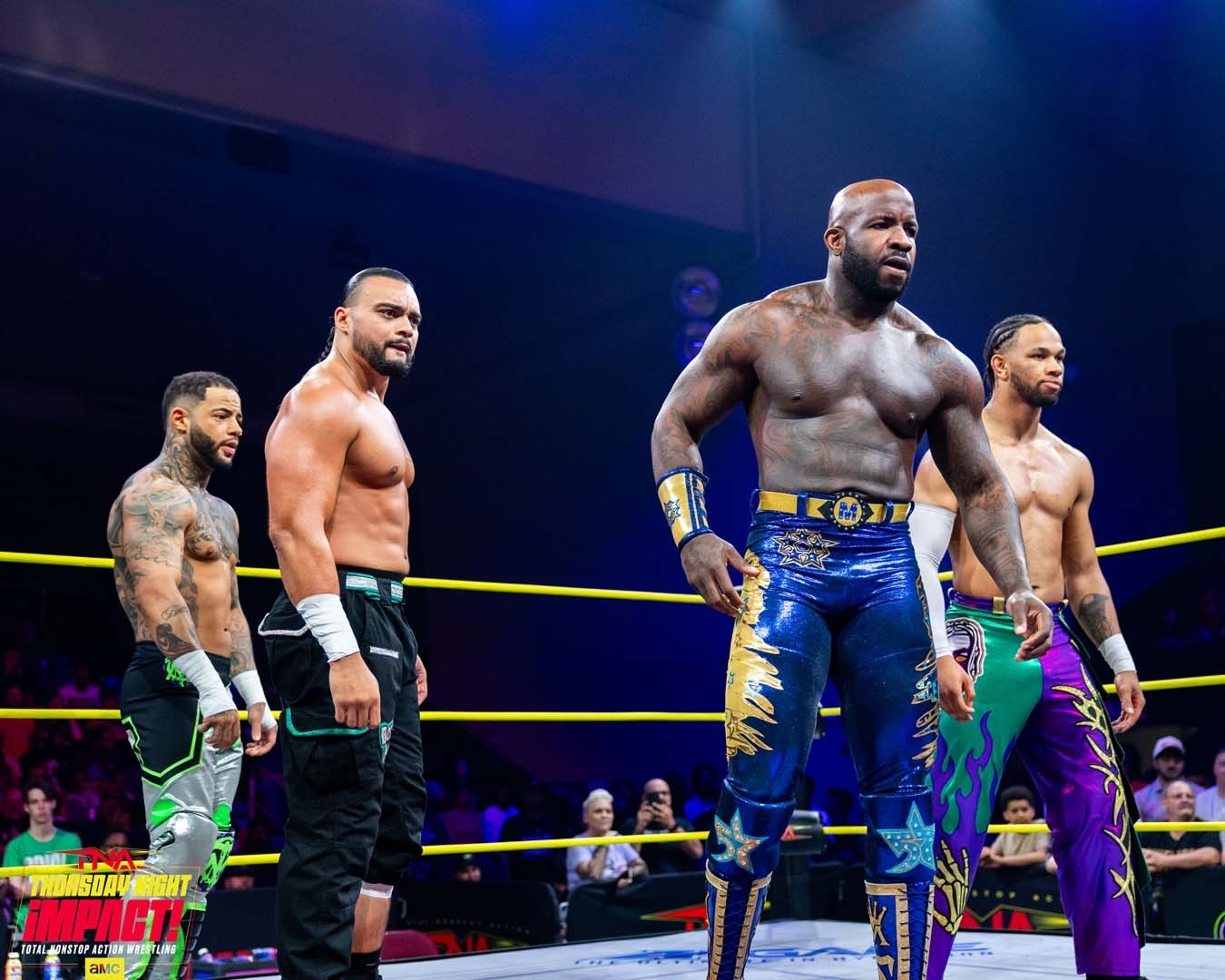
The fan experience is the ultimate loser here. Casual viewers in Syracuse, N.Y., looking forward to the TNA impact show hitting the Upstate Medical University Arena tonight will be watching a card that lacks the cross-promotional flair that makes wrestling headlines. Ticket distribution sits at 1,314 with an arena configuration of 1,959, a soft number for a promotion trying to establish momentum in a crowded market.
Meanwhile, the competition continues. AEW is fresh off their own production in Fairfax, Va., where they moved 4,475 tickets. The distance between the two operations is getting wider, and Silva’s protectionist approach might inadvertently slow his company’s growth. If your best talent isn't allowed to dance with the world's best, why should the audience pay to see them dance in the dark?
The bottom line
This isn't just about scheduling conflicts. It’s an ideological divide on how to run a mid-tier promotion in 2026. Silva is digging in his heels to preserve the sanctity of the TNA roster, but he risks alienating the very fans who thrive on the unpredictability of inter-promotional warfare. If you can't see the biggest matches in the business, the casual buzz fades quickly.
The move to compensate talent for the pulled dates shows Silva is at least trying to avoid a full-scale mutiny. However, paychecks cannot replace the career-defining moments that come with high-stakes crossover matches. If the goal was to keep his stars safe, the trade-off has been a significant cooling of TNA’s public profile. In this game, visibility is the only currency that matters; suppressing it is rarely a winning play.