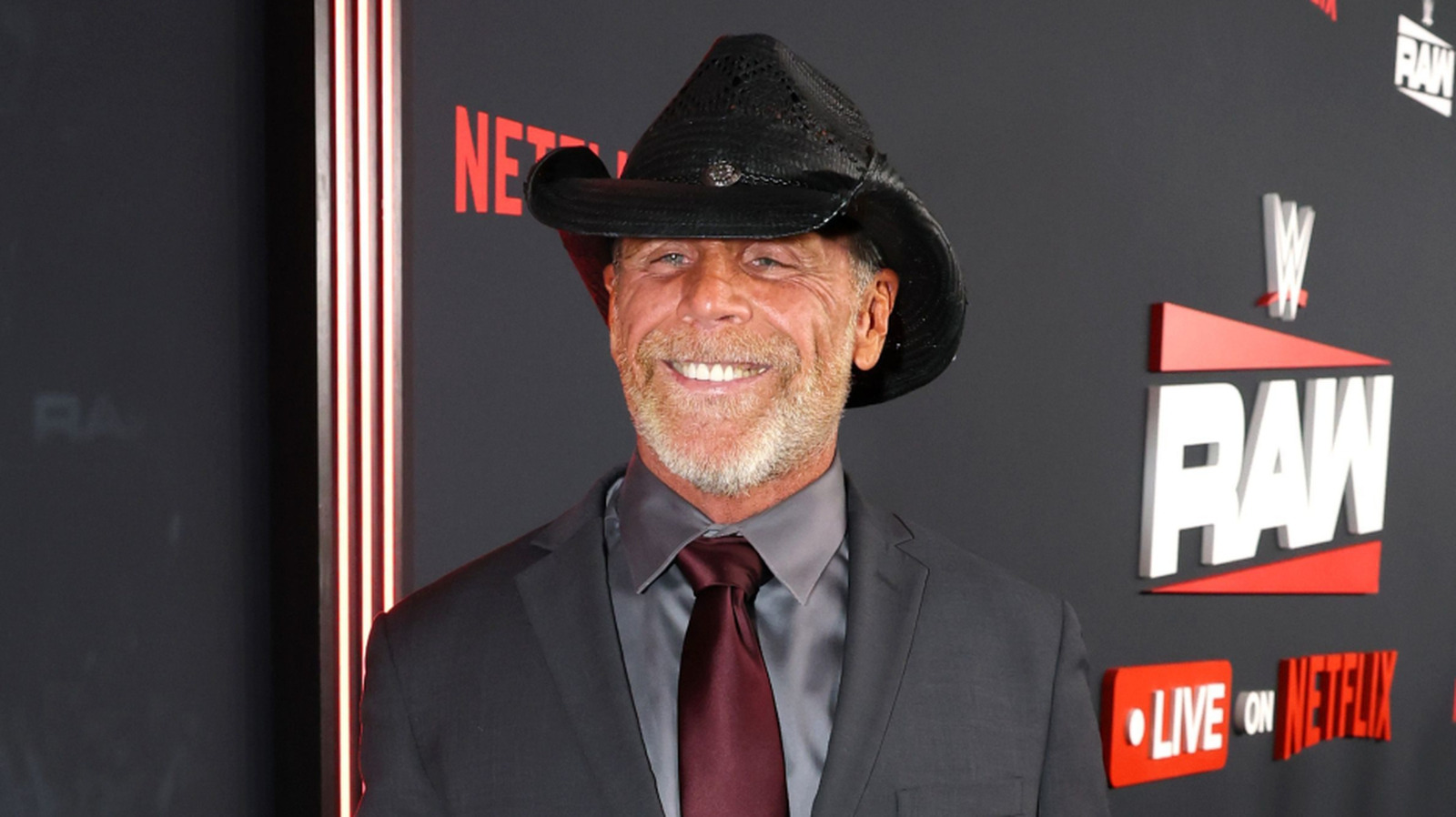
HBK is holding the NXT line
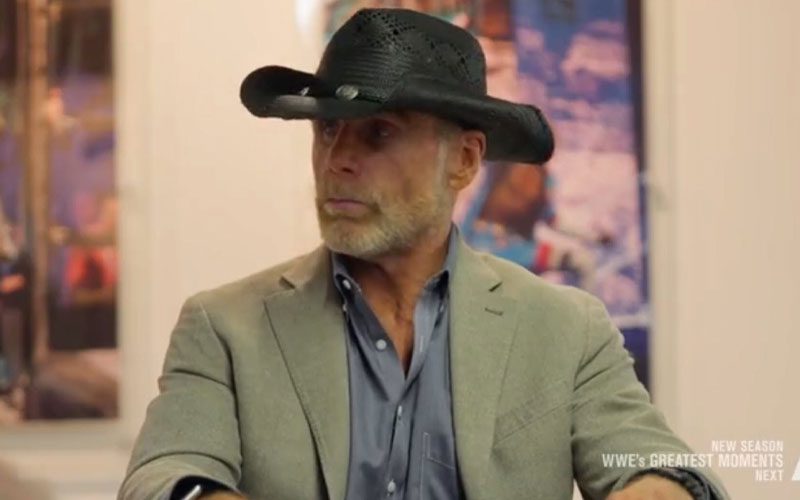
We are six days out from WrestleMania 41, and while Triple H is busy stressing over the massive spectacle in the main roster, Shawn Michaels is quietly running the most interesting experiment in professional wrestling. The man responsible for the developmental brand has been vocal about his desire to keep talent from jumping ship too early. He even admitted he was begging to keep Je'Von Evans on his show for as long as possible.
It is a fascinating shift in philosophy. Back in the territory days, the goal was always to get the rub, pack your bags, and hit the big time before your knees gave out. Now, Michaels is treating NXT like a finished product rather than just a revolving door for the Performance Center.
The crossover obsession
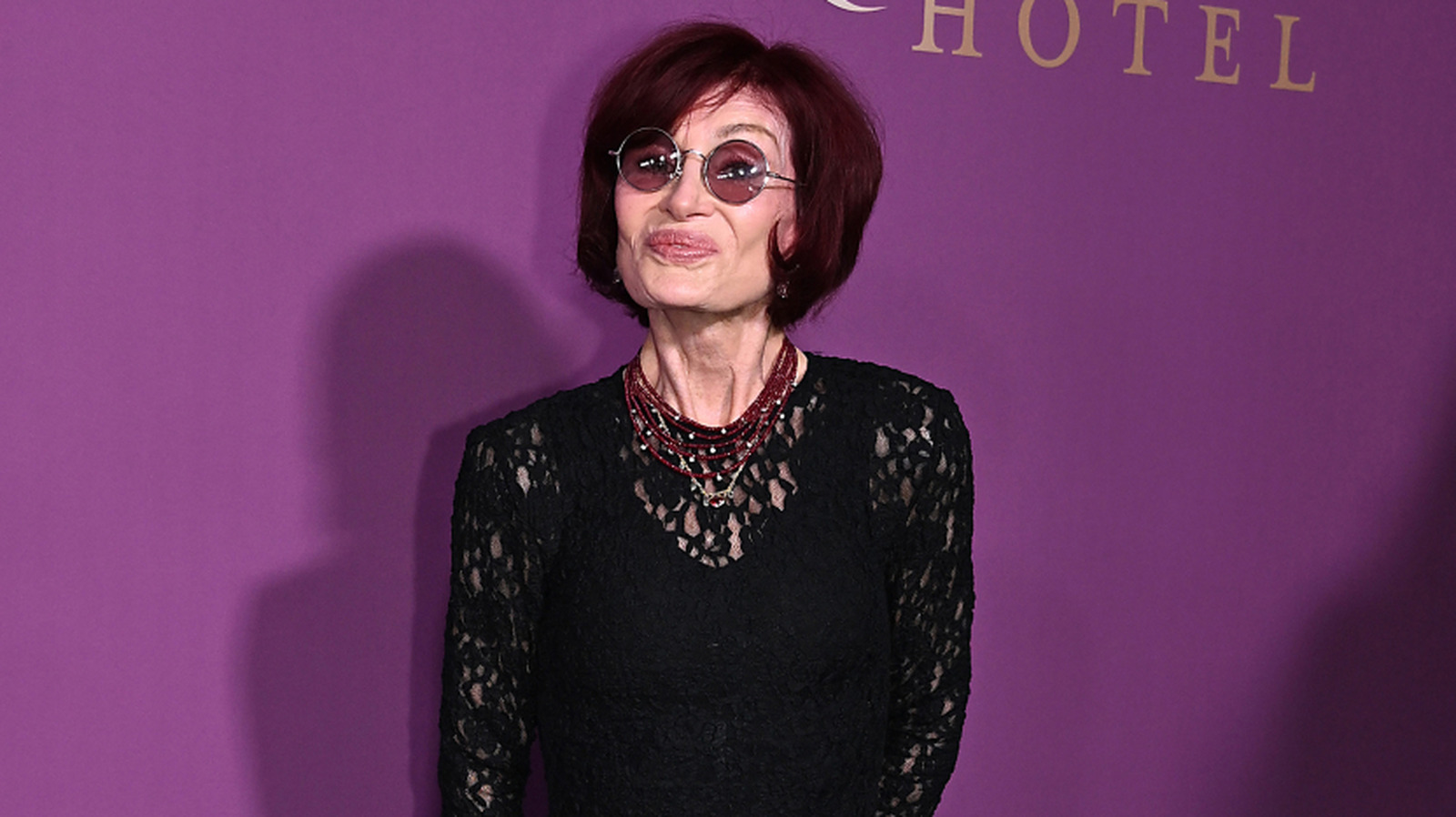
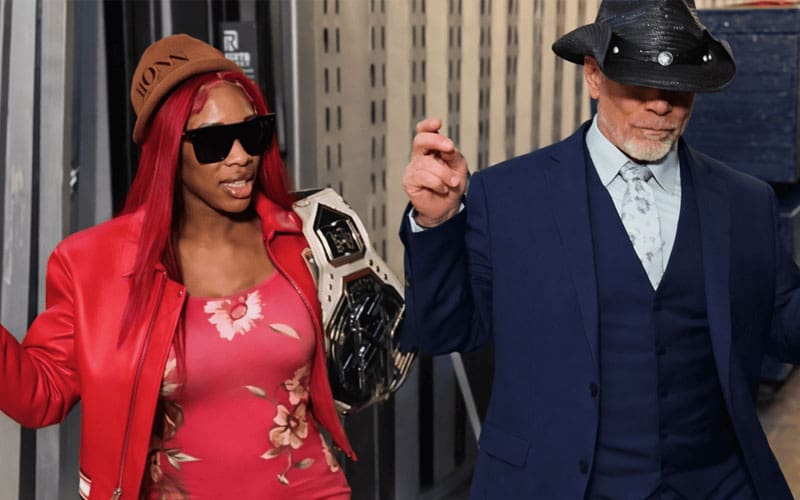
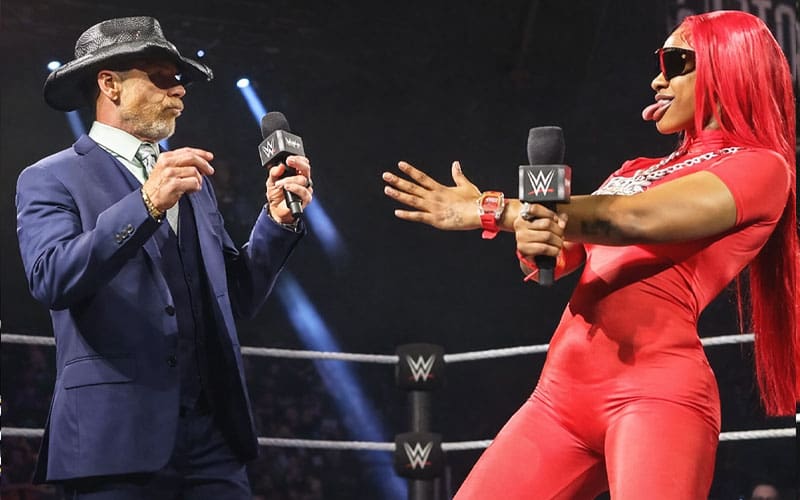
Then there is the bizarre side of the HBK tenure: the pop culture crossovers. We saw him sitting ringside with Sexy Red, a moment that felt like it was beamed in from a different timeline. While some purists are clutching their pearls in the comments sections, Michaels has explained that these Sexy Red appearances were all about expanding the reach of the product to demographics that might never watch a ladder match.
Is it cringe? Maybe a little. Does it drive impressions? Absolutely. Wrestling media loves to act like this is ruining the sanctity of the squared circle. In reality, it is just a guy who knows exactly how to keep his program in the headlines when the main roster dominates the oxygen.
The documentary problem
Not everything is gold in the world of the Heartbreak Kid right now. The latest WWE-produced documentary, The Heartbreak Kid: Becoming Shawn Michaels, recently hit screens and honestly? It’s a bit of a snooze. Reviews have pointed out that it struggles to find a fresh angle on a guy who has been at the center of the room for thirty years. We get it, he had demons in the 90s and became a guru in the 2000s.
If you have seen one WWE documentary about a retired legend finding redemption, you have seen them all. The production values are high, but the narrative feels like it was put through a corporate filter. It barely scratches the surface of the intense creative control he currently exerts over developmental.
Reflection versus reality
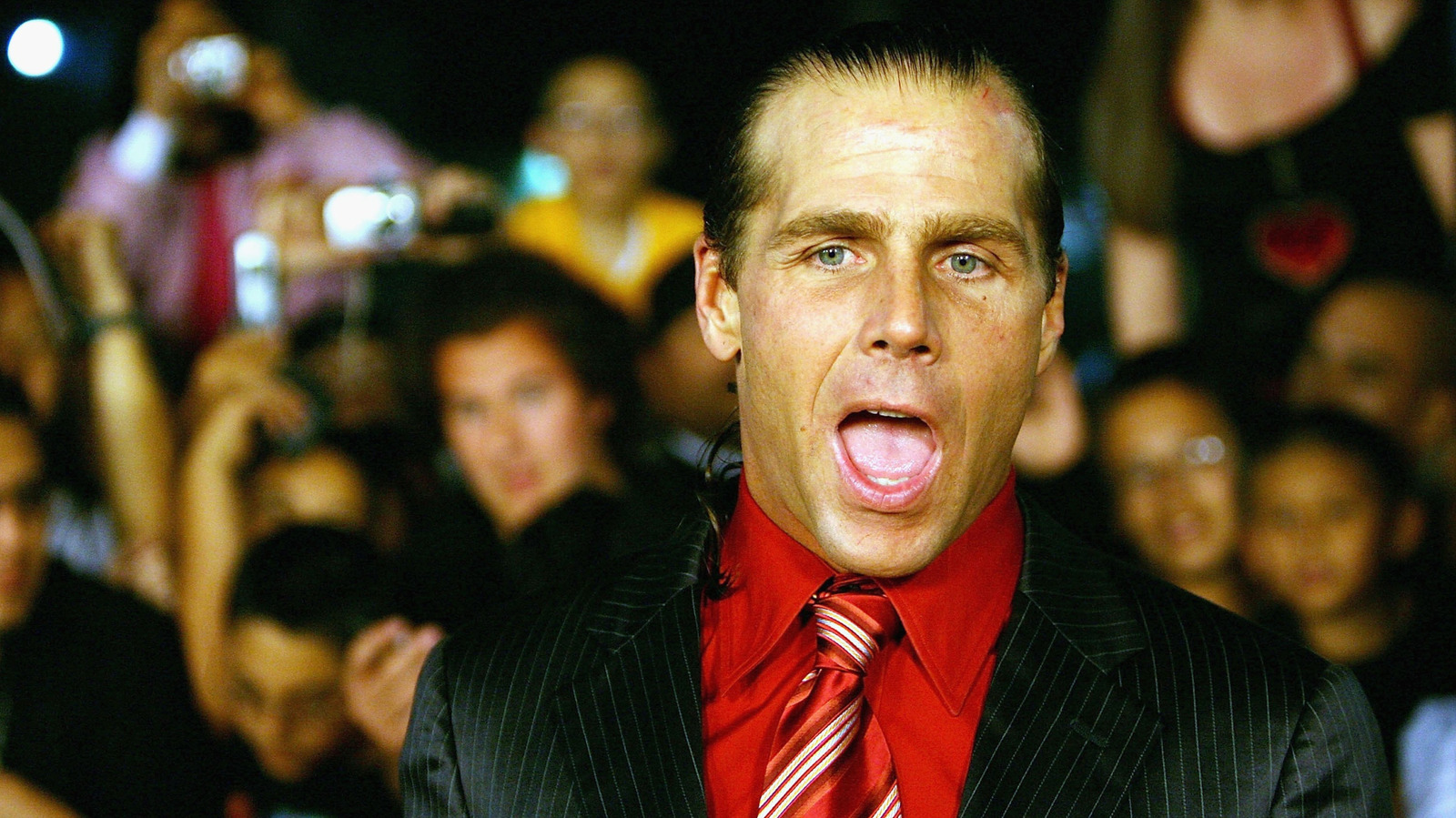
Michaels himself has spent a lot of time lately looking back on his own career evolution. He has touched on the massive changes in the industry, comparing the wild west of the 1990s to the more structured environment of the 2000s. There is a disconnect, though. He preaches about the value of the old ways, yet he is arguably the most forward-thinking booker the company currently employs.
He is managing a roster that has more raw talent than it knows what to do with. Relying on guys like Evans is smart, but eventually, the main roster machine will come calling for his favorites. He can beg for them to stay until he is blue in the face. History tells us that in this company, the main roster always wins that tug of war.
Ultimately, Michaels is the best thing the developmental division could ask for. He is seasoned, he is cynical, and he is protective. If he can keep the NXT show from becoming a pure holding pen for the main roster, he might just pull off the impossible. Just maybe leave the musical guests at home for a few months and let the guys in the ring carry the load for once.