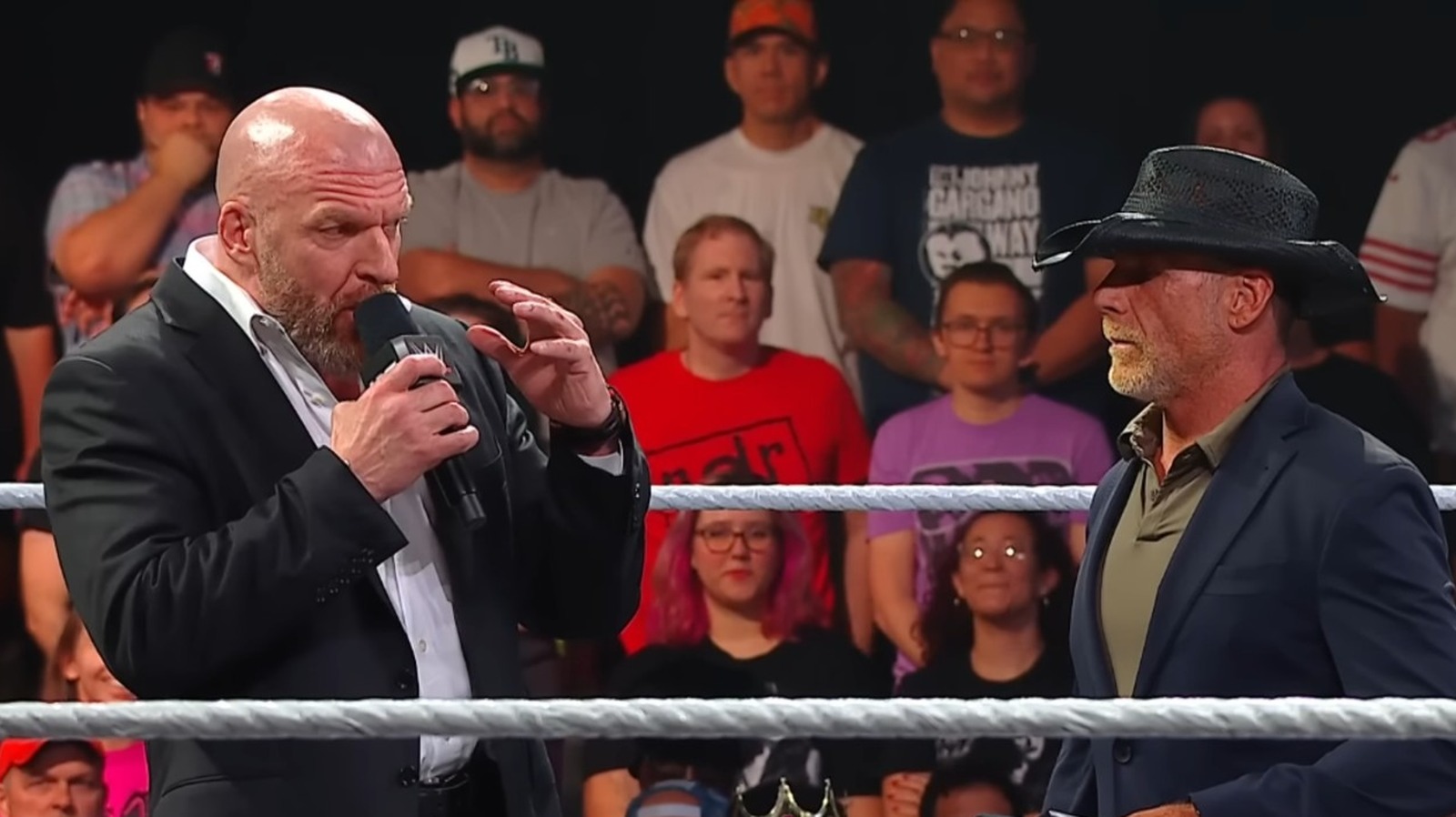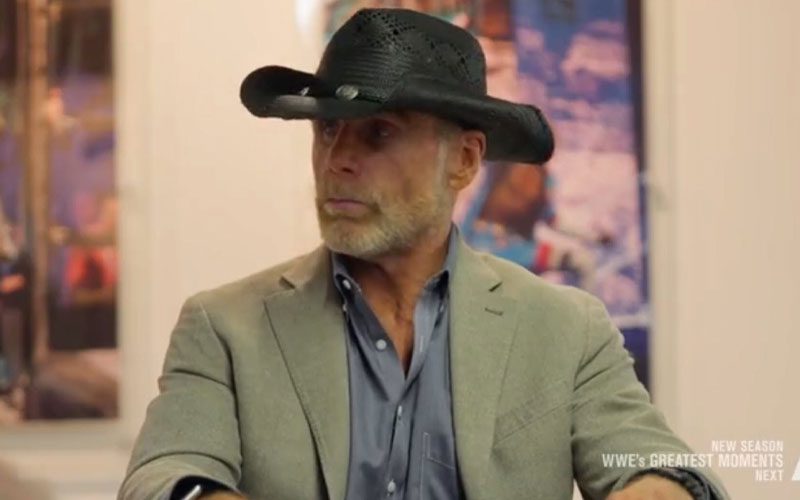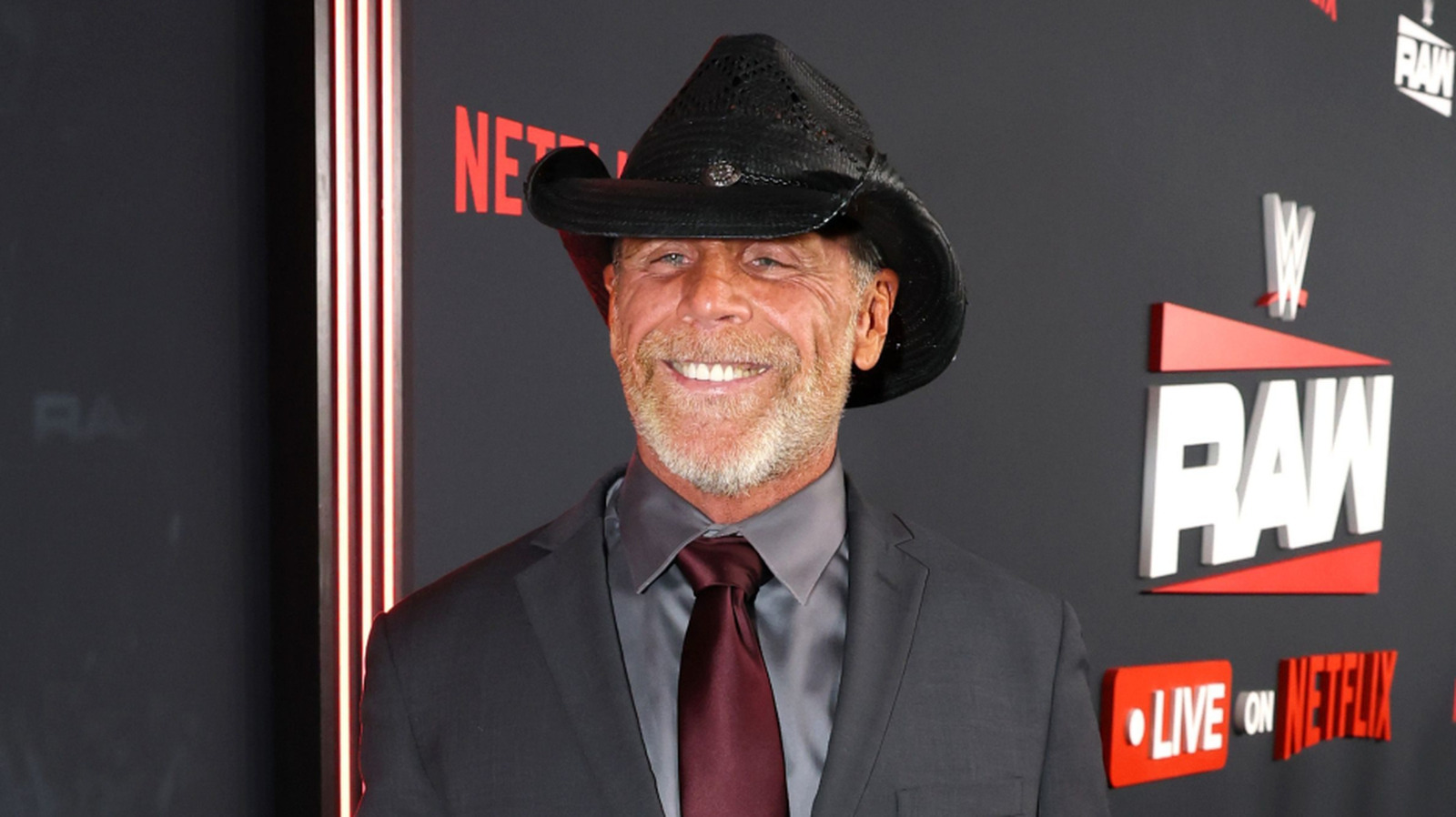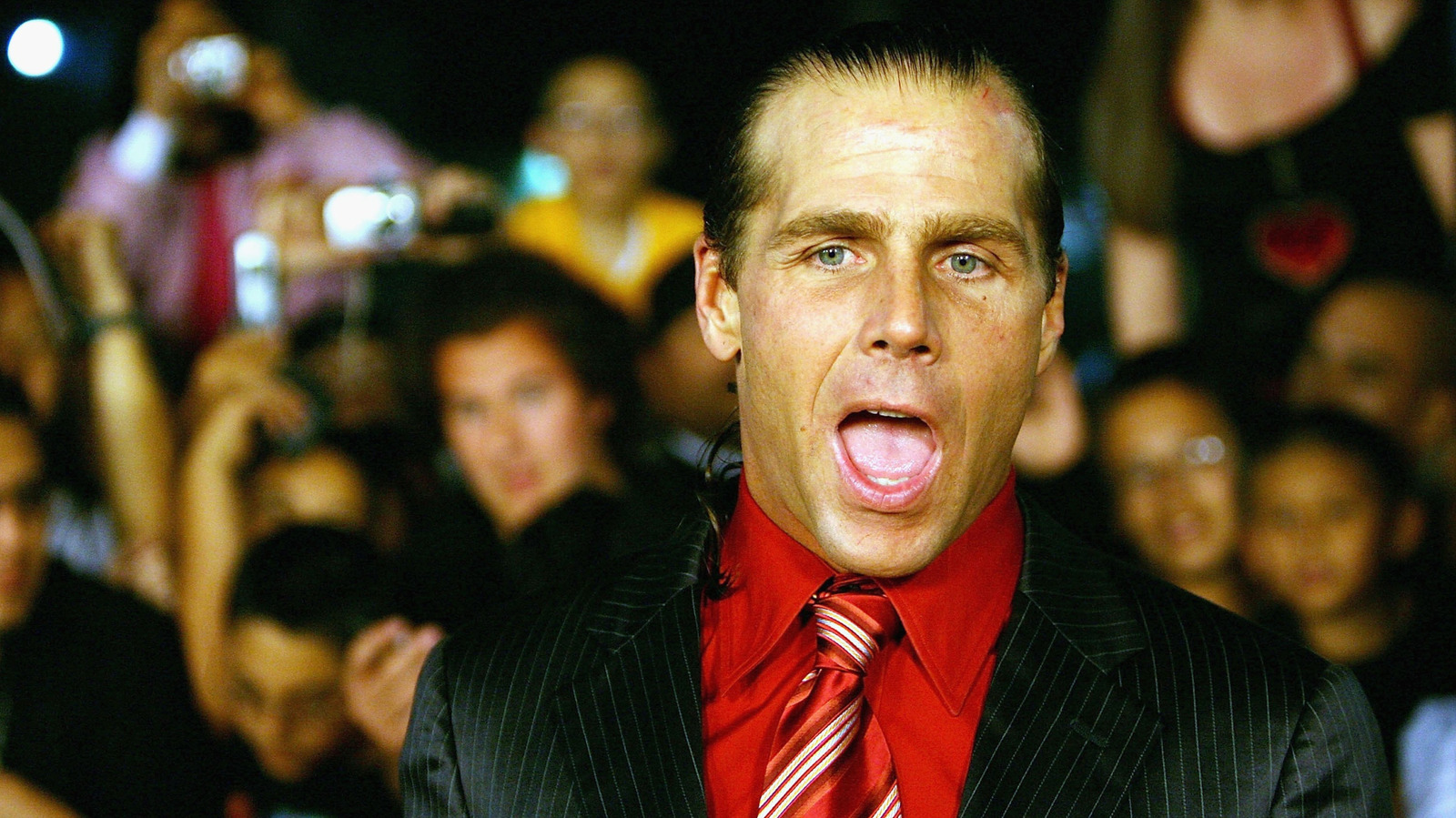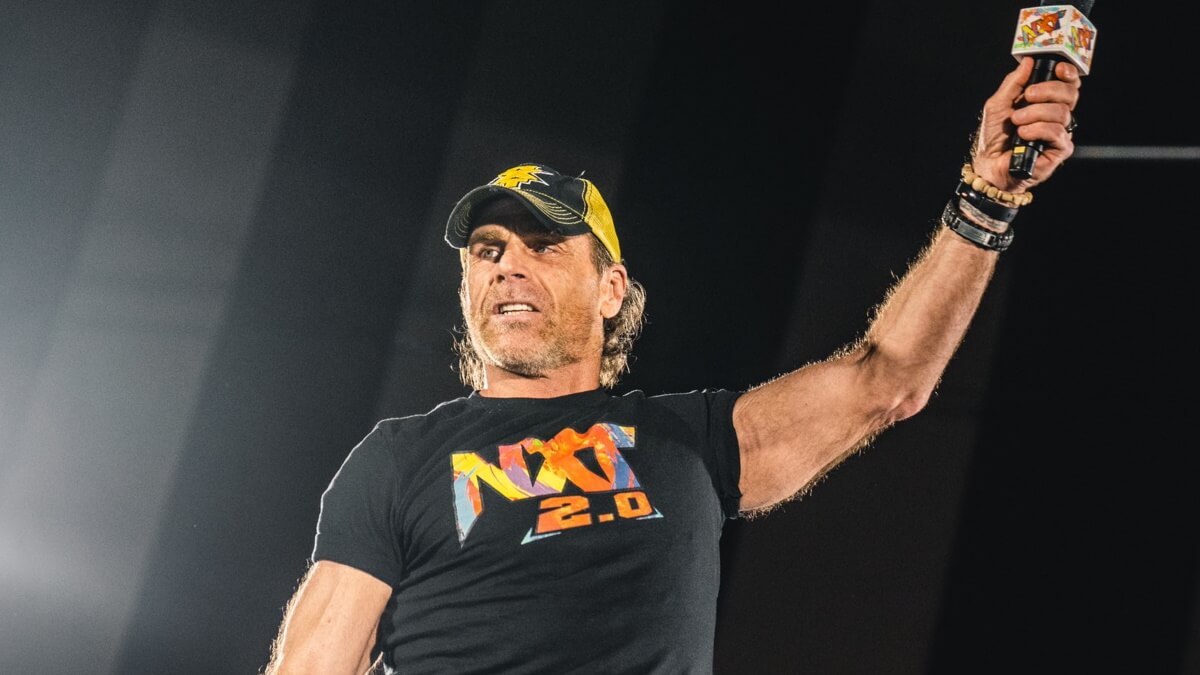
The Heartbreak Kid on the Hot Seat
In the high-stakes theater of professional wrestling, few pivots have been as jarring as the death of NXT Black and Gold and the neon-soaked birth of NXT 2.0. For years, fans treated the brand as a sanctuary for work-rate and indie darlings. Then, in 2021, the mandate changed overnight. Shawn Michaels, who found himself holding the steering wheel while Triple H recovered from a cardiac event, is finally speaking candidly about how ugly that process actually was.
Michaels didn't just have to book a show; he had to dismantle a culture that had become the backbone of WWE’s hardcore fan base. The shift from veteran technicians like Johnny Gargano and Adam Cole to raw athletes who had never stepped in a ring before was not a gentle handoff. It was a demolition. Michaels recently reflected on this period, acknowledging that the friction of that era served a purpose for the talent involved.
Everyone had to face adversity, I think they’re better for it.
The End of the Work-Rate Era
The adversity Michaels mentions wasn't just about learning how to hit a ropes-run or take a back bump. It was the psychological toll of being the face of a brand that the audience actively wanted to fail. When Bron Breakker first stepped through those multi-colored curtains, he wasn't just fighting his opponent; he was fighting a crowd that was mourning the loss of the Undisputed Era. Michaels had to shield these rookies from the toxicity while simultaneously teaching them the TV business.
This wasn't a slow burn. The overhaul happened with a 24-hour turnaround that left the locker room reeling. Michaels was forced to act as both head writer and therapist. The transition required a level of creative ruthlessness that we hadn't seen from HBK previously. He had to be willing to cut bait on established acts to make room for the NIL (Name, Image, and Likeness) recruits that the front office demanded.
The result was a product that, frankly, felt like a mess for the first six months. For every success story like Carmelo Hayes, there were three gimmicks that felt like they belonged on a failed Nickelodeon pilot. Michaels had to navigate the directives coming down from Vince McMahon and Bruce Prichard, which often clashed with the established logic of the NXT audience. It was a collision of philosophies that threatened to sink the brand entirely.
The Crucible of 2021
Looking back from 2026, it is easy to credit Michaels for the current stability of NXT, but the reality at the time was much grimmer. The brand lost nearly 30 percent of its core viewership during the first quarter of the 2.0 reboot. Fans hated the lighting, they hated the characters, and they hated that their favorite 'wrestlers' were being replaced by 'superstars.' Michaels was the one who had to stand behind the curtain and tell 21-year-old kids to go out there and perform for a crowd that was chanting for a dead era.
The 'adversity' Michaels references was a trial by fire. Talent like Tiffany Stratton and Tony D'Angelo had to develop thick skin immediately. They weren't given the luxury of two years on the Florida loop to find themselves. They were thrown onto live television to fail in front of the world. Michaels argues this accelerated their growth, turning them into TV-ready professionals faster than the Black and Gold system ever could.
However, we shouldn't romanticize this period too much. The cost of this transition was the unceremonious exit of several dozen talented performers who simply didn't fit the new 'size and youth' criteria. The locker room morale during the winter of 2021 was reportedly at an all-time low. Michaels had to manage a workforce that felt disposable, a stark contrast to the 'family' atmosphere Triple H had spent a decade building at the Performance Center.
A Critical Post-Mortem
While Michaels is right that the survivors are better for it, the transition nearly killed the NXT brand's reputation as a destination for quality. The early days of 2.0 were marred by some of the most cringe-inducing segments in recent memory. We saw Joe Gacy trying to 'cancel' the audience and characters like Lash Legend struggling through five-minute matches that felt like an hour. The quality control was nonexistent because the priority was 'new' over 'good.'
Even now, some of those scars remain. The brand still struggles to recapture the prestige of the TakeOver specials that once rivaled WrestleMania in terms of match quality. Michaels has successfully stabilized the ship, but the soul of NXT changed permanently during that 2.0 pivot. It became a factory first and a wrestling show second. The grit Michaels talks about is real, but it was born from a corporate mandate that valued potential over proven skill.
The current roster, preparing for WrestleMania 41 Night 1 on April 19, owes a lot to Michaels' ability to weather that storm. But let's be honest: the transition was a chaotic, often embarrassing period that only succeeded because Michaels refused to let the brand die. He isn't just a coach; he's a survivor of a corporate civil war that took place inside the walls of the Performance Center. The 'adversity' wasn't a feature of the program; it was a symptom of a company in total flux.
The HBK Creative Philosophy
Michaels’ approach to creative is vastly different from the meticulous, long-term plotting of the Triple H era. HBK thrives in the chaos. He is willing to throw five things at a wall to see which one sticks, a mentality that was essential during the 2.0 transition. If a character isn't working, he pivots in a week. If a wrestler isn't improving, they are off TV. This high-turnover model creates a sense of urgency, but it also means the audience rarely gets the deep, multi-year narratives that defined the brand's peak.
This 'better for it' mentality suggests that Michaels values mental toughness as much as in-ring ability. In his eyes, if you couldn't handle the vitriol of the 2.0 launch, you were never going to survive a main roster run on Raw or SmackDown. It’s a cynical view of development, but in the context of WWE's machine, it’s probably the correct one. He didn't want the best wrestlers; he wanted the best survivors.
As we head into the biggest week of the year, NXT feels like a cohesive brand again, but the echoes of that 2021 explosion still ring out. Michaels has proven he can lead through a crisis, but his candidness about the 'adversity' confirms what we all suspected at the time: nobody knew if the reboot would actually work. They were just hoping the talent would grow up before the audience gave up. Fortunately for Michaels, they did.