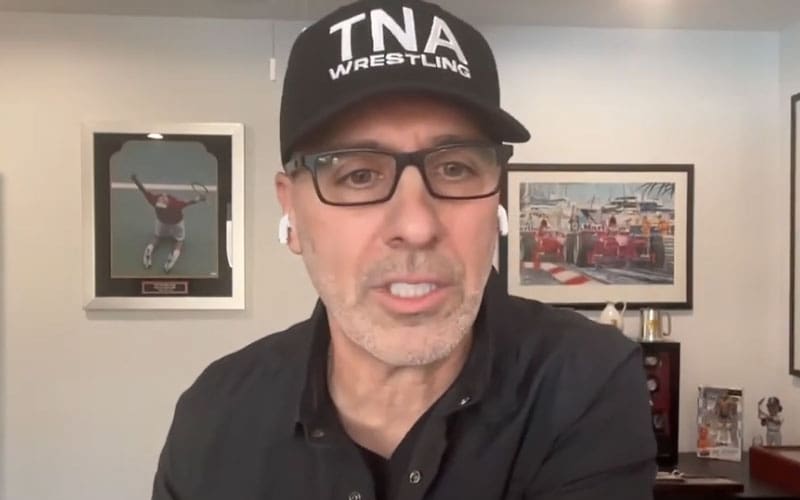
The Management Shift
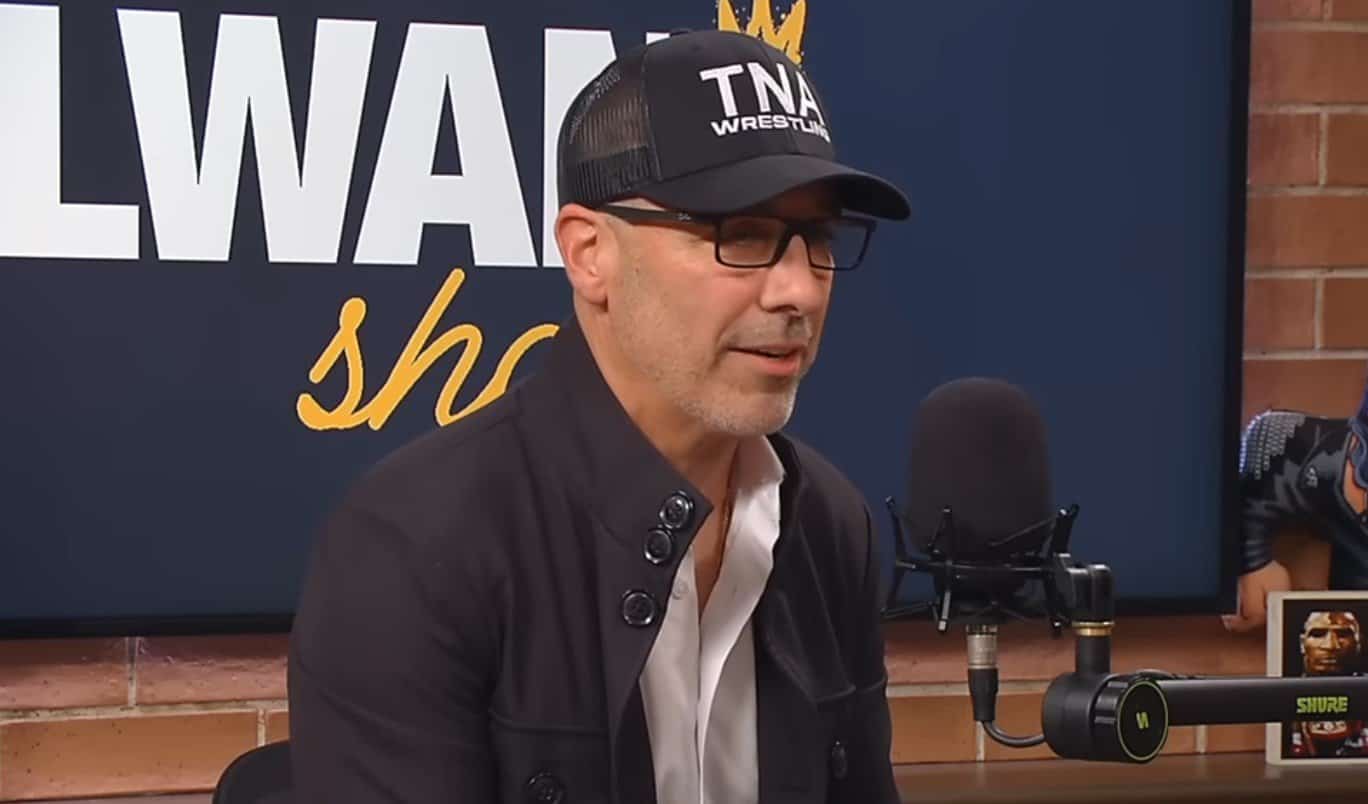
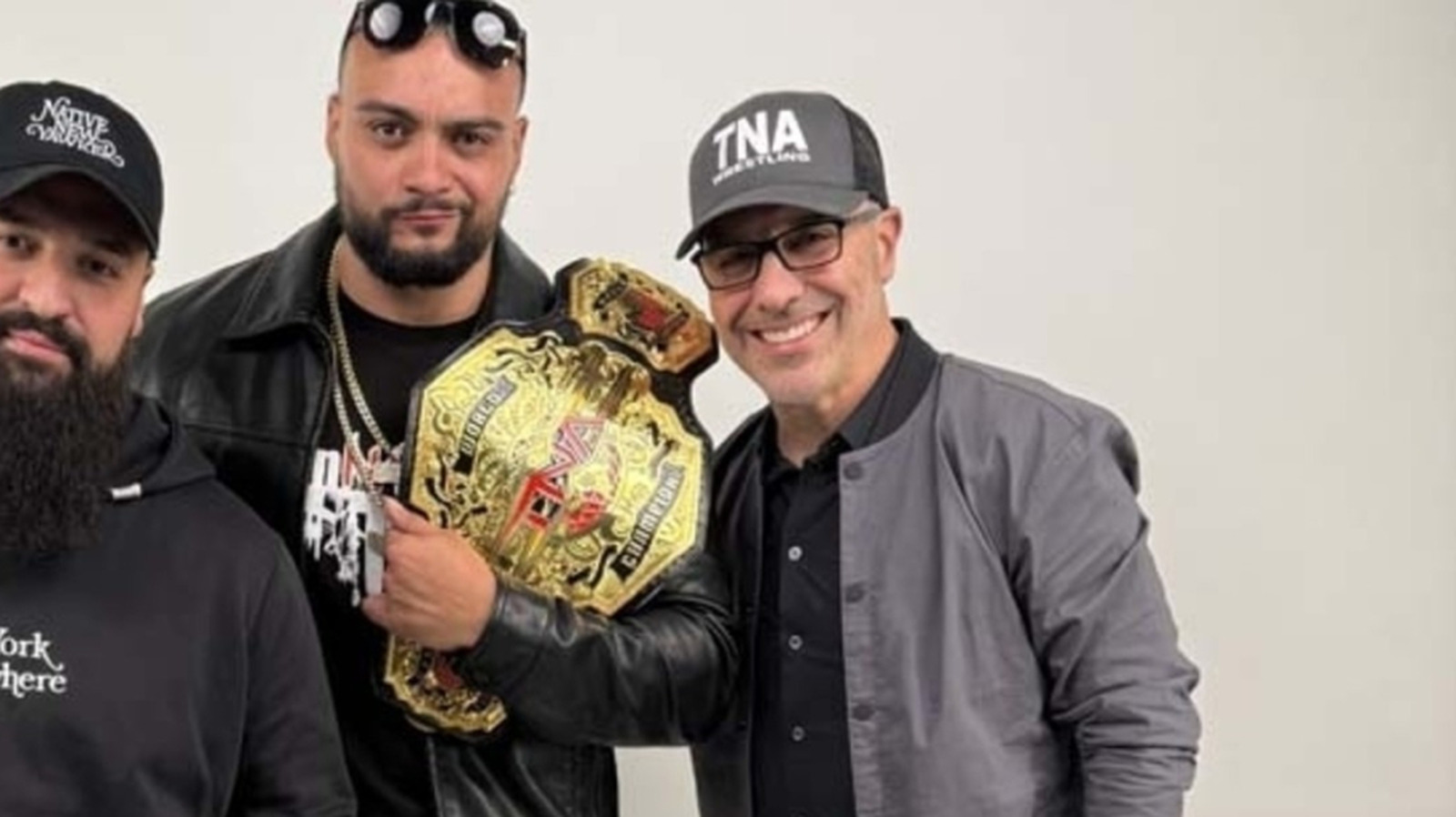
10. The Initial Locker Room Skepticism. When Silva first arrived, the roster was wary of a non-wrestling executive leading the charge. This friction defined his first 6 months of management.
9. The Pivot to Streaming Elements. Silva has pushed for more modern digital integration. It is a necessary move to keep the product relevant in a saturated media market.
8. Production Value Upgrades. New camera angles and lighting setups are being tested under his watch. The goal is to move away from the cheap aesthetic that plagued the company for years.
Strategic Growth and Scheduling
7. The 2026 Slammiversary Confirmation. Securing the UBS Arena for a second time shows a commitment to territory growth. It is a bold move for a brand that often struggles with ticket sales in major markets.
6. Venue Selection Strategy. Silva prioritizes arenas that allow for better production control. He prefers smaller, high-energy houses over half-empty stadiums.
5. Improving Global Distribution. He has actively looked into international streaming partnerships. This is vital for expanding the footprint beyond the North American borders.
4. The Talent Relations Turnaround. While he started on shaky ground, he has managed to stabilize the locker room sentiment. He learned quickly that wrestling is not just a numbers game.
3. Budgetary Discipline. Silva has kept a tight leash on spending. This is a double-edged sword, as it limits the signing of high-priced veterans.
2. The Digital Infrastructure Focus. By upgrading the app experience, he aims to capture younger viewers. He understands that cable is no longer the primary engine for growth.
1. The Long-Term Vision. Silva is playing the long game, even if it frustrates fans wanting instant fixes. He is overhauling the presentation one step at a time.
Honorable Mentions
- The attempt to modernize the TNA logo.
- His transparency regarding locker room mistrust.
- The decision to host Slammiversary 2026 in a proven venue.