The Velvet Rope Comes Down in Nashville
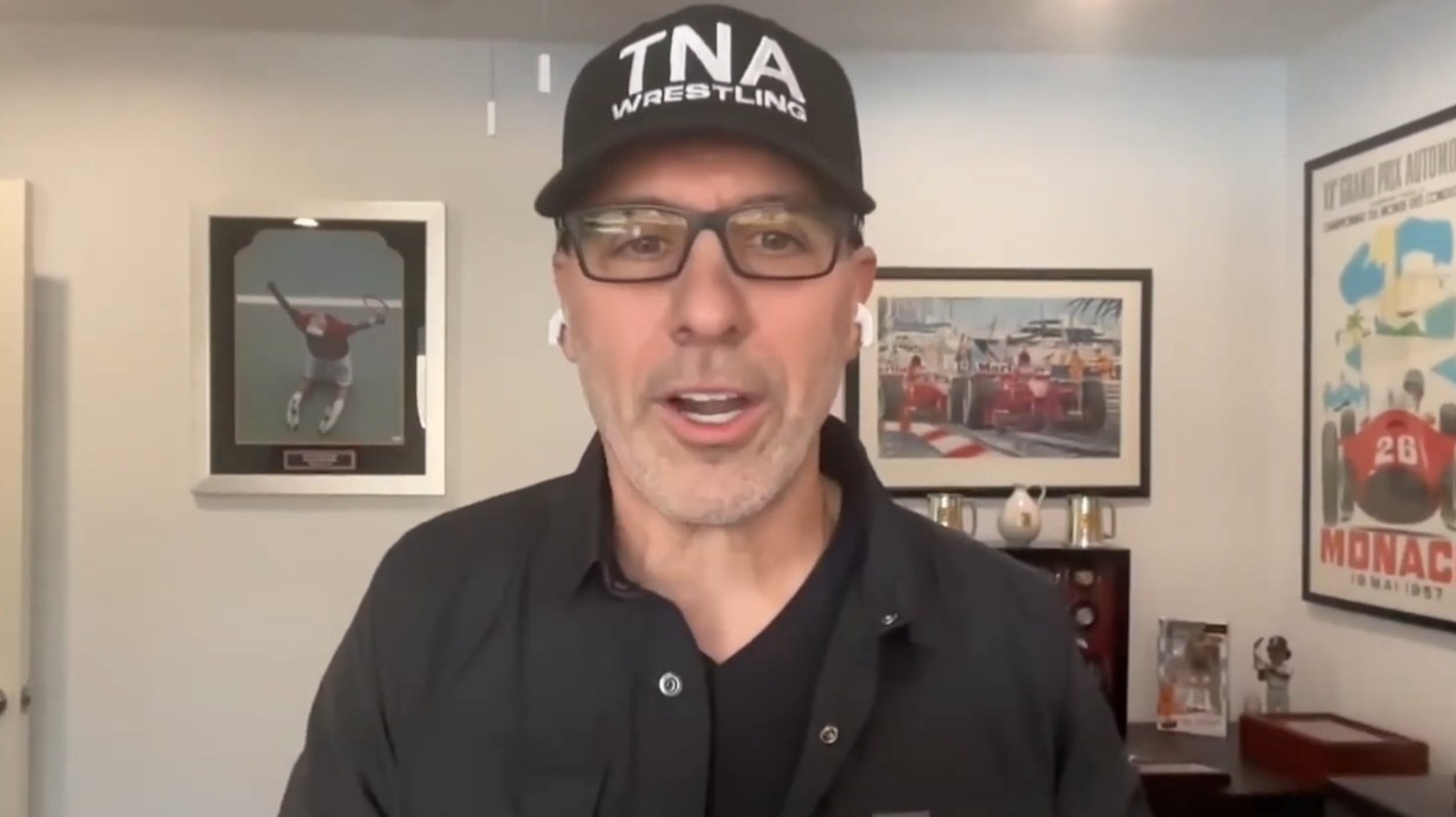
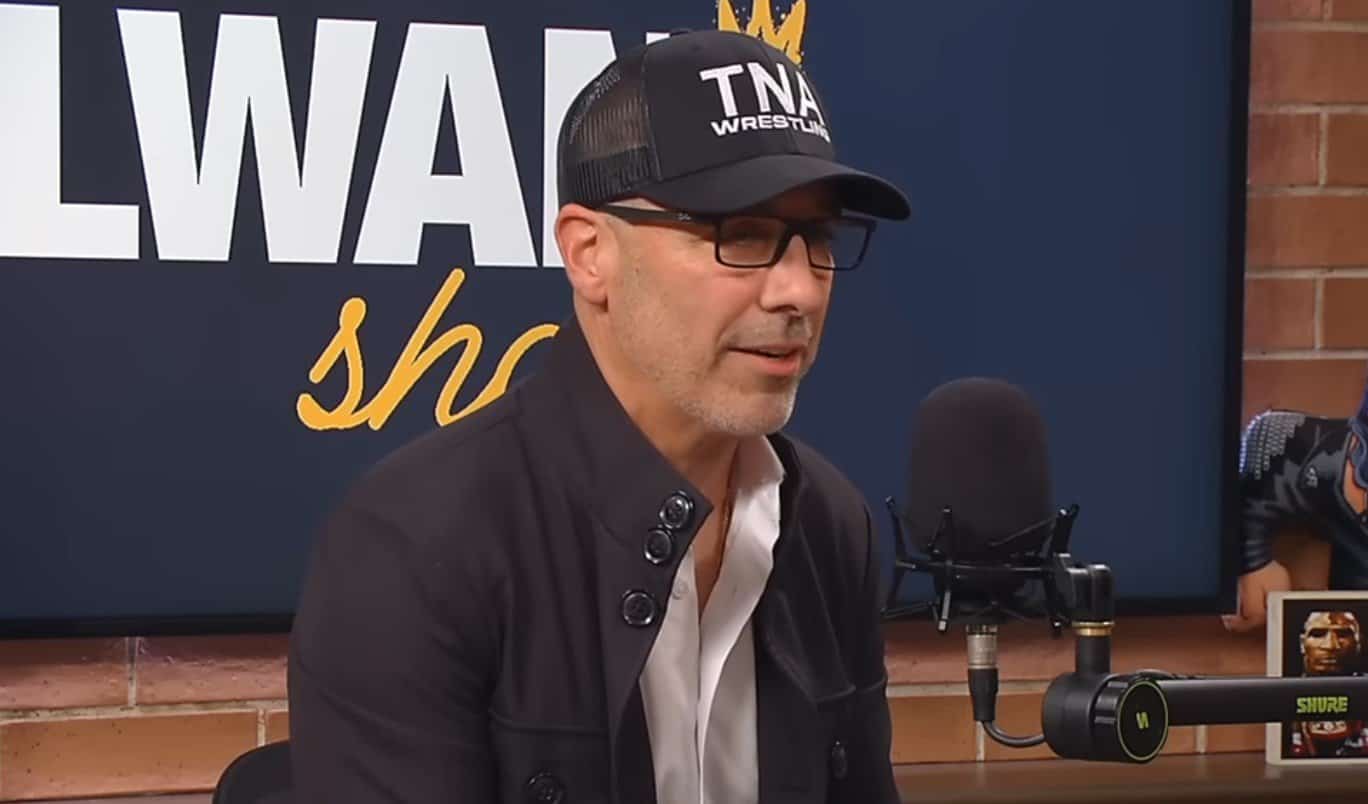
Alright, wrestling fanatics, gather 'round, because Carlos Silva, the big boss man over at Anthem Sports & Entertainment, just dropped a bombshell that has the internet wrestling community collectively scratching its head. The man who holds the purse strings for TNA Wrestling has explicitly stated: no TNA talent will be allowed to step in the ring against AEW stars. For anyone holding out hope for some unexpected 'forbidden door' fireworks, Silva just posted a giant 'NO ENTRY' sign on the entire concept. It's a move that's either a stroke of genius or an own goal of epic proportions, and frankly, I'm still trying to figure out if my jaw is on the floor or if I just bit my tongue.
This isn't some off-the-cuff tweet from a disgruntled talent; this came straight from the top. Silva's decree effectively nixes any potential dream matches, any unexpected appearances, any 'what if' scenarios that fans have been cooking up in their heads since the wrestling landscape dramatically shifted. It's a definitive, corporate 'no thank you' to inter-promotional clashes involving AEW, and it forces a serious conversation about TNA's identity and its future trajectory in a wildly competitive global market.
The Ghost of 'Forbidden Doors Past' and Present
Remember when the idea of wrestlers from different companies facing off was pure fantasy? Then, New Japan Pro-Wrestling blew the doors off with AEW, IMPACT Wrestling got in on the action for a hot minute, and even WWE started playing nice with the likes of Mickie James at the Royal Rumble. The 'forbidden door' became less a mythical concept and more a revolving one, much to the delight of fans who just wanted to see the best fight the best, regardless of brand. It felt like pro wrestling was finally shedding its territorial shackles and embracing a more collaborative, fan-first ethos.
But Silva, speaking recently to WrestlingNews.co, made it crystal clear: TNA is drawing its own line in the sand. He's not interested in his talent being seen as stepping stones or novelty acts in someone else's playground. This isn't about personal animosity; it's a business decision, a cold, hard strategic play. The implication is that TNA, under Anthem's guidance, believes its path to relevance and growth lies entirely within its own ecosystem, without the perceived crutch or distraction of AEW encounters.
It's a stark contrast to the initial buzz that surrounded TNA just a few years ago. There was genuine excitement, particularly during the Kenny Omega-Impact crossover, that hinted at a more interconnected wrestling world. Many saw that as a temporary boost, a jolt of mainstream attention. But Silva's recent comments suggest that period was an anomaly, a detour from TNA's true, independent course. He's putting his chips squarely on the belief that TNA can, and must, build its own stars and narratives without having to borrow hype from the competition.
Silva's Stance: Protecting the Crown Jewels or Burying the Treasure?
So, what's the logic here? From Silva's perspective, it's about brand protection and investment. Why would you spend money developing talent, building storylines, and cultivating a distinct product, only to have your top stars potentially get lost in the shuffle or, worse, diminished in a rival promotion's setting? It’s a valid question from a corporate standpoint. His argument, presumably, centers on maintaining the integrity and perceived strength of the TNA roster and its championships.
He wants fans to invest in TNA for TNA, not for the fleeting possibility of a crossover. He's betting that dedicated storytelling and exclusive talent development will eventually pay bigger dividends than chasing sporadic, cross-promotional buzz. It’s a long game, a patient game, and one that requires an immense amount of faith in the current TNA product and its ability to captivate an audience without external validation from bigger players.
However, this strategy isn't without its glaring potholes. In an age where every other promotion is at least *talking* about working together, TNA stands alone. Does this make them look strong and independent, or simply isolated? Will fans, who have grown accustomed to unprecedented levels of inter-promotional action, simply bypass TNA if it means missing out on potential dream matchups? It's a high-stakes gamble, and the house almost always wins against an underdog trying to go it alone in this industry.
The Ripple Effect: Talent, Fans, and the Future
The immediate impact is, of course, on the TNA talent themselves. While contractual obligations are paramount, one has to wonder about the morale of a roster that might be seeing peers in other promotions getting opportunities for high-profile matches against a wider array of opponents. For a wrestler, every match is an opportunity to showcase their skill, to build their brand, and to earn more money. Denying potential clashes with AEW talent, especially on the independent circuit where many hone their craft, removes a significant avenue for exposure and growth. Is TNA talent truly protected, or are they being limited?
Then there's the fan perspective. The hunger for 'what if' matches is insatiable. Picture a talent like TNA World Champion Moose going toe-to-toe with an AEW World Champion Swerve Strickland. Or the high-flying X-Division stars of TNA facing off against the likes of Darby Allin or Sammy Guevara. These are the kinds of matchups that ignite passion, drive social media trends, and get people talking. Silva's decision feels like a cold shower on those red-hot fantasies, forcing fans to choose between their loyalty to TNA and their desire for innovative matchups.
The long-term implications are fascinating, if not a little concerning. If TNA truly intends to carve out its own niche without external assistance, it needs to be *flawless*. Its booking needs to be compelling, its talent roster needs to be deep, and its marketing needs to be aggressive. Anything less, and this protective barrier could turn into a cage, isolating the promotion from the very buzz that could help it grow. In a world where collaboration often means expansion, Silva's move is a bold, almost defiant statement against the prevailing current.
A Critical Fork in the Road
While Silva's intentions to safeguard the TNA brand are understandable from a business standpoint, his hardline approach might inadvertently stunt the very growth he seeks. By completely shutting down any potential interaction with AEW, TNA risks alienating a significant portion of the modern wrestling audience that thrives on cross-promotional excitement. It feels like a defensive posture in an industry that increasingly rewards offensive, audacious moves. The decision could relegate TNA to a niche status, perpetually outside the mainstream conversation, rather than elevating it to the 'third major promotion' status it so desperately craves. A small, carefully selected series of dream matches could elevate TNA talent more than a complete lockout ever will. It's a gamble, and in wrestling, sometimes the biggest gambles don't pay off in the long run.
Ultimately, this decision is a monumental bet on TNA's ability to stand entirely on its own two feet, without so much as a polite nod to its direct competition. Carlos Silva has made his intentions clear, and now the wrestling world watches to see if this protective strategy will build a fortress, or simply a taller wall that keeps more people out than it keeps in. The 'forbidden door' might be closed for TNA and AEW, but the debate over whether that's a good thing has just blown wide open.
Read Next
- Adam Copeland and Christian's reunion exposes the brutal math of tag teams
- Bowens Going Solo? Fans Are Pumping the Brakes on The Acclaimed Breakup
- Anthony Bowens is finally ready to hunt for AEW singles gold
- WWE’s security nightmare at the Performance Center won't go away
- 🚪 AEW Forbidden Door 2026 — AEW × NJPW Coverage Hub