The High Stakes of Modern Booking
Modern wrestling is defined by the tension between long-term narrative payoff and the volatility of roster stability. We look back at the moments that fundamentally shifted the genre's trajectory.
1. The Formation of AEW
The announcement of All Elite Wrestling in January 2019 serves as the absolute peak of industry disruption in the digital age. It broke the two-decade monopolistic stagnation of the North American market almost instantly. Without this single entity rising to prominence, the current state of talent movement would be nonexistent.
2. CM Punk Returns at The First Dance
August 2021 changed the commercial viability of independent arena shows for good. Watching a performer return after seven years of silence proved that brand loyalty can be manufactured overnight. The financial ripple effect for merchandise and pay-per-view buy rates remains measurable today.
3. Roman Reigns Reaches 1,000 Days
The 1,000-day milestone as Universal Champion was a masterclass in long-term booking strategy. It stabilized a WWE product that had been drifting since the pandemic era. While some fans tired of the repetitive interference finishes during his run, the numbers regarding TV ratings and live event gates are hard to argue with.
4. The Bullet Club Era in Japan
The rise of the Bullet Club inside New Japan Pro-Wrestling turned the gaijin heel dynamic into a global marketing machine. It created a blueprint for internet-savvy merchandising that every other promotion copied. Without this group, we do not get the modern era of the independent wrestler as a global commodity.
5. Bryan Danielson at WrestleMania XXX
The culmination of the Yes Movement was the last time the industry felt truly organic. The booking team resisted the obvious path for months before finally buckling to sustained audience pressure. It stands as a reminder of what happens when the crowd is louder than the creative script.
6. Cody Rhodes Returns to WWE
The 2022 return of Cody Rhodes at WrestleMania 38 signaled that the lines between competing promotions were becoming porous. He walked out of his own company and into the main event of the competitor within months. This move set the tone for shifting perceptions of brand loyalty among top-tier talent.
7. Kenny Omega vs Kazuchika Okada at Dominion 6.9
This match remains the gold standard for technical execution and narrative pacing. It forced the North American style to incorporate more high-stakes athleticism to remain relevant. Critics argue it spurred an arms race of dangerous spots, but the technical quality is peerless.
8. The Shield Triple Threat
The tension during the split of The Shield created three separate headliners who all carried the industry for a decade. Their subsequent feuds provided the only consistent narrative spine for WWE programming between 2014 and 2024. It was the last time a faction produced multiple stars of this magnitude simultaneously.
9. Chris Jericho's AEW Debut
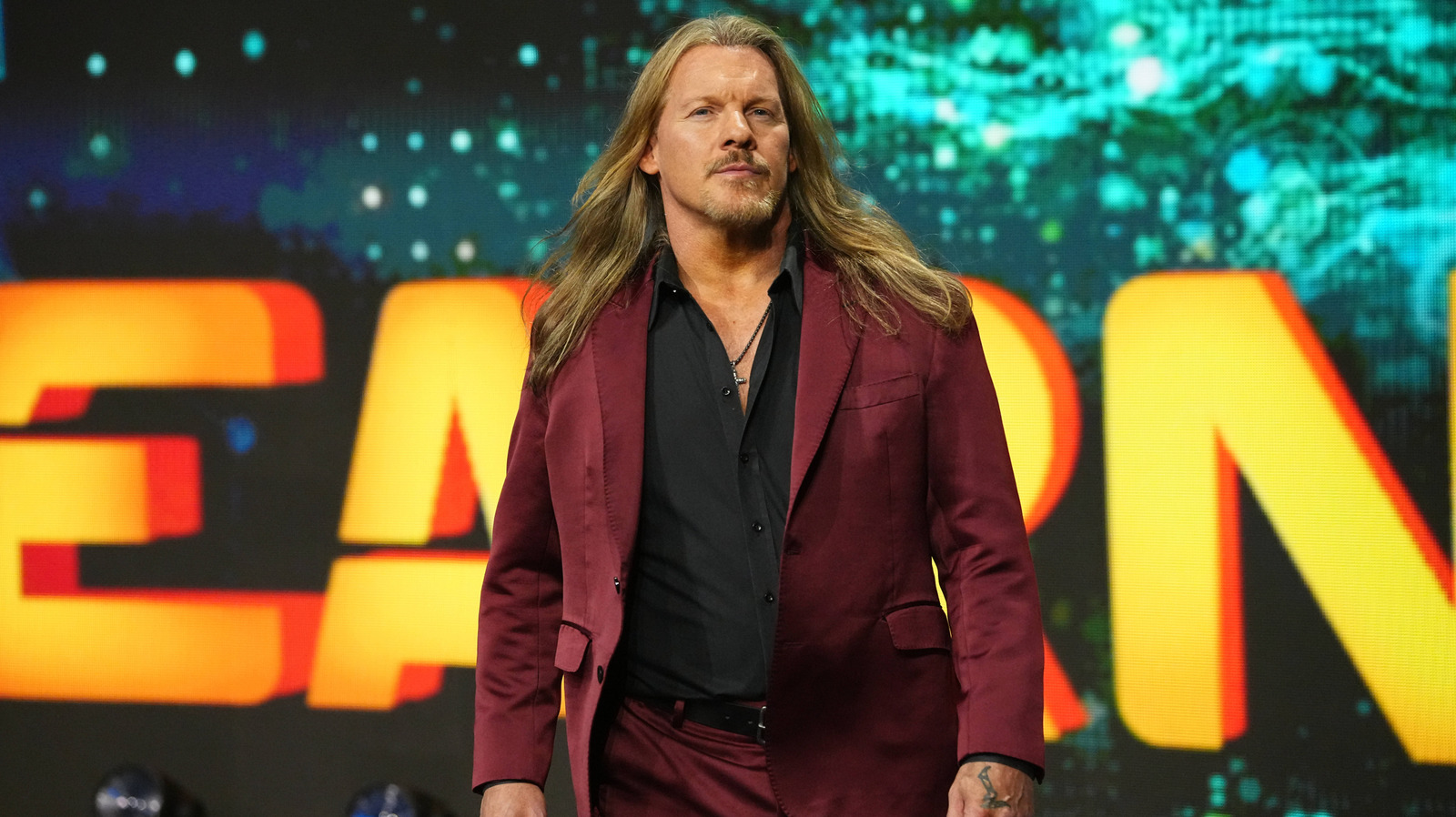
Securing Jericho provided the credibility necessary for a brand-new, unproven network promotion. Knowing that he has no plans for a WWE return, as noted by Dave Meltzer, makes his leap of faith look even more monumental in retrospect. He risked his legacy to build a secondary alternative, a move that helped reshape the pay structure for the entire locker room.
10. The Women's Main Event at WrestleMania 35
This was the moment the industry finally moved past the era of short, filler segments for women. It was not without its booking flaws, specifically the congested triple-threat format that cluttered the final sequence. However, the optics forced a complete renovation of how women are presented in major title pictures.
The Big Picture
These moments highlight a transition from scripted entertainment to a more fluid, talent-driven market. We are watching the industry grow into its own as a legitimate sport-adjacent entity.
Honorable Mentions
The debut of the Forbidden Door concept, the rebranding of the Intercontinental Title, and the rise of international talent scouting in South America. Recent reporting on potential shifts in creative direction indicates that more volatility is ahead, especially as we approach events like the upcoming major PLE schedule.