Defining the Moments that Changed the Game
Professional wrestling is defined by the shifts that occur when storylines explode or unexpected outcomes reset the power dynamic of the locker room. These 10 moments represent the turning points where the industry moved, shattered expectations, or forced a fundamental change in how television is produced.
We are focusing on high-stakes execution, crowd reactions that defied logic, and the long-term ripple effects on the business. This list is ranked by how much the internal logic of the sport shifted in the immediate aftermath.
The Ranking Breakdown
- The Montreal Screwjob (1997): Bret Hart’s departure from WWF remains the definitive moment of the 20th century. It blurred the lines between scripted outcomes and backstage reality forever. Without this incident, the Mr. McMahon character never achieves the necessary heat to ignite the Attitude Era.
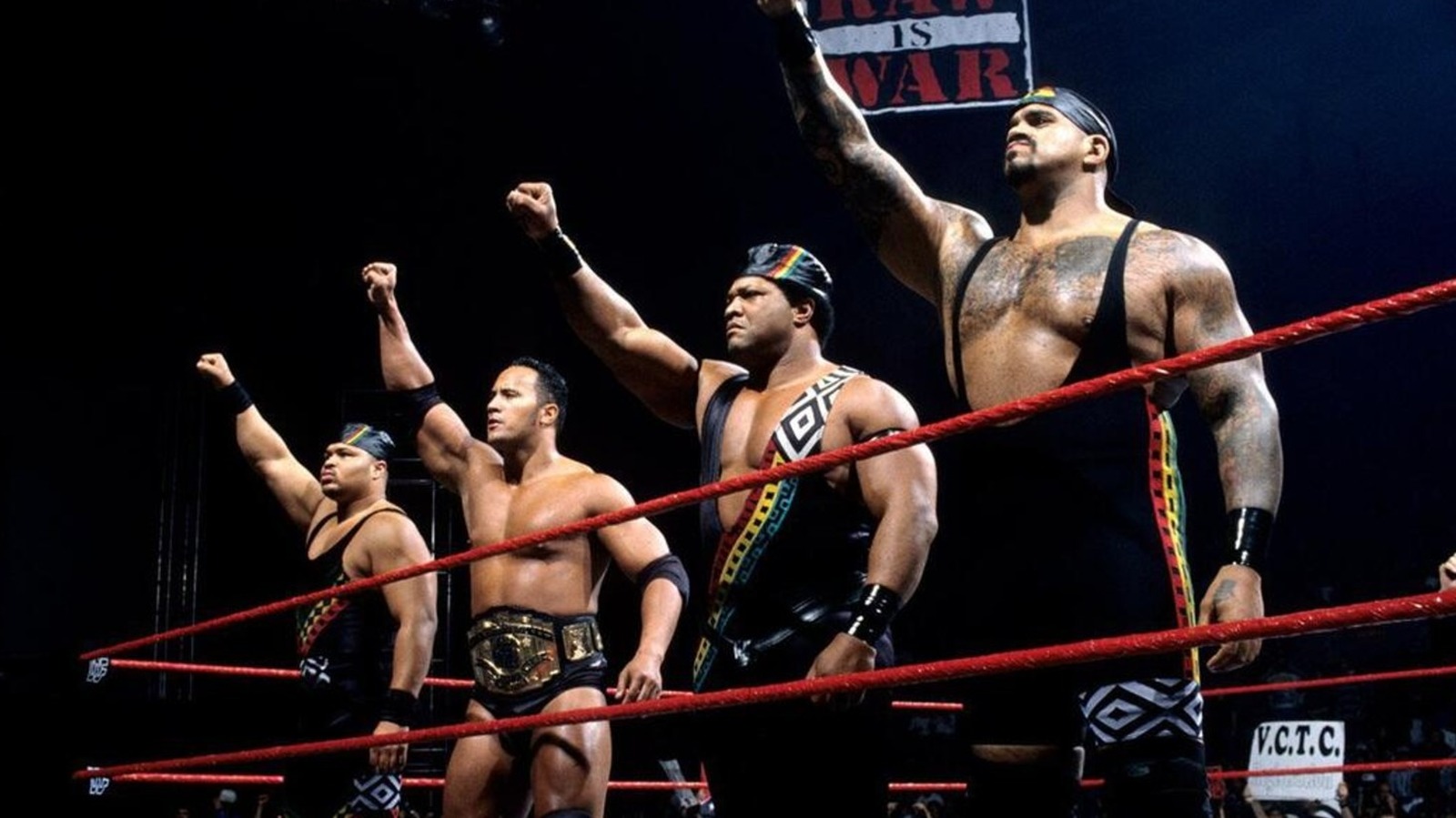
- The Nation of Domination’s Rise: As reported by Wrestling Inc, D'Lo Brown maintains this faction deserves Hall of Fame recognition. Their cultural impact during the Attitude Era cannot be overstated, providing a grit that forced the WWF to stop being a caricature of itself. It ranks here because it elevated mid-card talent to main-event crossover stars.
- Mankind Falls from the Hell in a Cell (1998): Mick Foley plummeting 16 feet through the Spanish announce table at King of the Ring redefined the physical limits of the sport. It remains the most dangerous spot ever sold as a cohesive segment. Some critics argue it set a catastrophic precedent for performers risking their lives for a pop.
- Hulk Hogan Joins the nWo (1996): The sight of the red-and-yellow icon turning on WCW fans at Bash at the Beach remains the greatest heel turn in history. It shifted the revenue stream of the entire industry toward stable-based storytelling. It ranks lower than the Screwjob only because WCW’s eventual creative collapse tainted the legacy of the nWo brand.
- Stone Cold Steve Austin’s WrestleMania 13 Double Turn: The sight of Austin refusing to yield in the Sharpshooter while covered in his own blood cemented his status as the anti-hero. It fundamentally changed how fans engage with characters, moving away from binary good-versus-evil dynamics. The booking was flawless in its simplicity.
- The Pipebomb Promo (2011): CM Punk sitting on the stage changed the modern lexicon of wrestling promos. He broke the fourth wall in a way that felt dangerous at the time. However, the momentum was eventually throttled by questionable booking choices in the months following his WWE Championship win.
- Eddy Guerrero and Chris Benoit at WrestleMania XX: Two technical masters standing in the ring as world champions closed an era defined by work-rate excellence. It was a victory for the smaller, agile wrestlers who were previously ignored by promoters. The memory is now complicated by the tragedy surrounding Benoit, which is why it sits below the cultural juggernauts of the late 90s.
- The Undertaker’s Streak Ends (2014): Brock Lesnar pinning The Undertaker at WrestleMania 30 was a moment of true silence in the Superdome. It took a decade of build-up and destroyed it in three seconds. Many fans still argue it was an unnecessary ego trip for the company instead of a final gift to a legend.
- Daniel Bryan’s Occupy Raw (2014): The grassroots fan support for Bryan forced WWE to change the main event of WrestleMania 30. It proved that in the digital age, a vocal fanbase can effectively bypass the writers' room. It ranks lower because the result felt inevitable, removing the element of genuine shock.
- Kurt Angle Wins Gold (1996): An Olympic gold medal won with a broken neck is a factual absurdity that defined Angle’s professional intensity. It set the bar for the level of legitimacy a wrestler could bring to the ring. It lands last because while technically impressive, it didn't trigger the same industry-wide paradigm shifts as the faction wars or the screwjobs above it.
The Big Picture
Moments in wrestling are rarely successful because of pure athletic execution. They succeed because they tap into the anxieties of the live audience, forcing a reaction that is impossible to replicate in a studio setting. When the audience stops passively watching and starts actively participating in the outcome, that is when the industry hits its peak.
We must acknowledge the failures, however. The rush to create "moments" has often led to diminishing returns, where big bumps or interference-heavy finishes become mundane. If every show tries to shift the foundation of the sport, the floor eventually collapses.
Honorable Mentions
We considered the formation of D-Generation X, the premiere of the ECW Arena, and the arrival of AJ Styles at the Royal Rumble. None possessed the long-term market influence of the main list. These events were massive in isolation, but they did not reset the trajectory of the wrestling business as effectively as the top 10.
Ultimately, these moments serve as a reminder that the best stories are usually the ones that feel uncomfortable. If the audience is comfortable, the story has likely failed to land its target. Wrestling is at its best when it makes the viewer feel like they are seeing something they weren't supposed to witness.