The Anatomy of High-Stakes Mobility
In professional wrestling, the lower body acts as the foundation for every high-altitude maneuver and tactical placement. When those foundations crumble, the narrative arc of a career shifts from physical dominance to survival.
We examine the significance of foot and ankle trauma, both in the ring and in the brutal reality of life after the spotlight fades.
1. Marty Jannetty: The Finality of Amputation
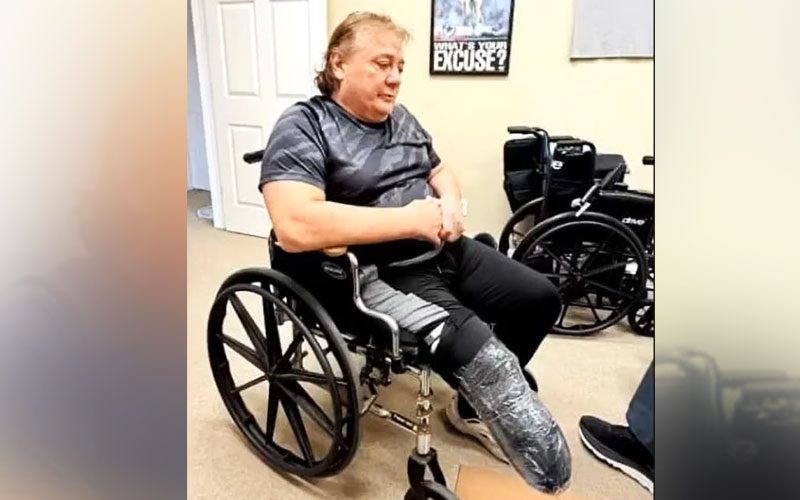
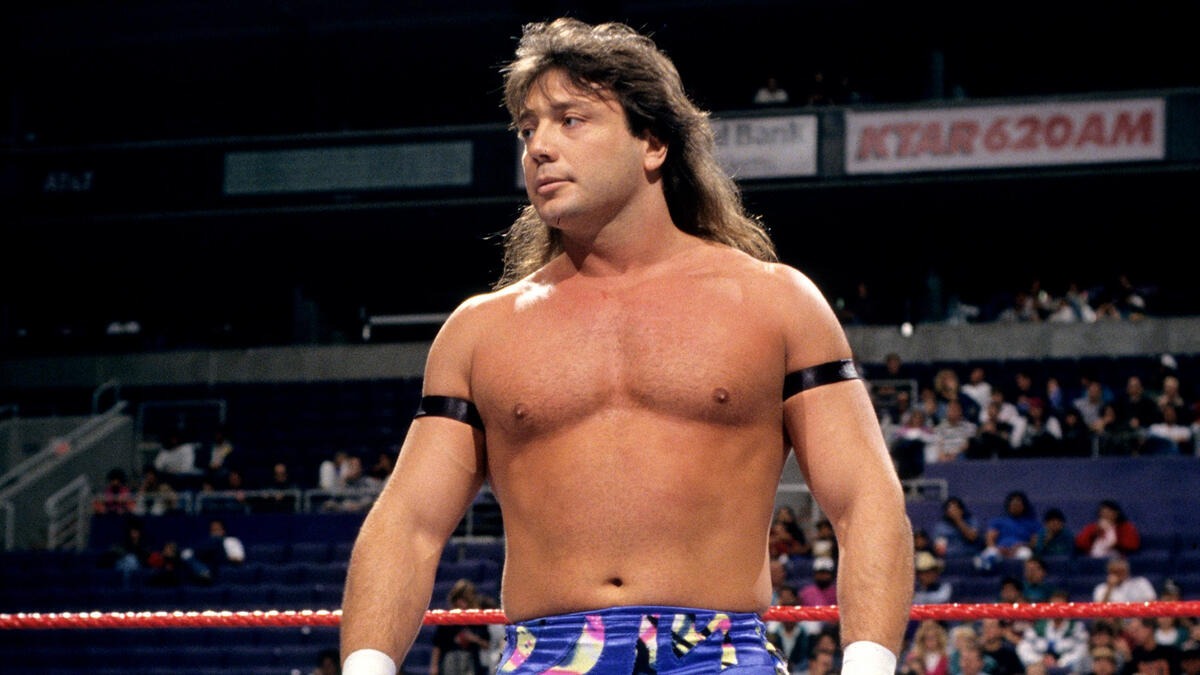
Marty Jannetty’s recent medical news serves as a grim reflection of the physical toll extracted by the industry. According to reports from PWInsider, the former tag team specialist underwent a foot amputation following a protracted battle with sepsis. This incident ranks first not for technical achievement, but for the stark reality of how decades of wear on the lower extremities can culminate in total permanent loss. It serves as a reminder that the ring damage described by outlets like F4WOnline is often a precursor to lifelong trauma.
2. Shawn Michaels: The '98 Back and Foot Failure
Michaels stands at two because his career nearly disintegrated due to the cascading effects of lumbar damage affecting his nerve conduction. The legendary competitor frequently struggled with drop-foot issues during his initial retirement phase. It remains the classic case of how the inability to control the placement of a foot can derail a main-event run.
3. Lex Luger: The Nerve Damage Collapse
Luger represents the fragility of the big man archetype in the late 2000s. A spinal stroke left him with severe nerve damage that paralyzed his leg and foot for significant periods. His transition from the All-American hero to someone struggling with basic walking highlights the neurological risks innate to the sport.
4. Sid Vicious: The Visual Horror
The 2001 incident at WCW Sin is essentially the gold standard for catastrophic lower-body failure. When Sid attempted a big boot off the second rope, his landing resulted in an compound fracture that snapped his leg instantly. It changed the optics of high-risk maneuvers for a generation of performers.
5. Bret Hart: The Goldberg Kick
This is the most controversial booking mistake with a physical aftermath in wrestling history. A poorly aimed kick from Goldberg at Starrcade 1999 resulted in a career-ending concussion, but the lingering impact on Hart’s mobility was profound. The loss of his ability to move with his signature grace was the true tragedy.
6. Stone Cold Steve Austin: The Knee and Ankle Toll
Austin is remembered for the neck injury, but his knee issues were the reason he changed his entire persona. His inability to rely on quick footwork necessitated the shift toward the brawling style that defined his peak. It is a lesson in adaptive booking.
7. The Undertaker: The Heel Hook Evolution
Undertaker incorporated various submission holds targeting the foot to mask his own deteriorating mobility as he entered his final years. It was an intellectual approach to aging in the ring. By focusing on the opponent's leverage, he minimized the need for his own agility.
8. Rey Mysterio: Constant Ankle Recalibration
Mysterio has undergone more knee and ankle surgeries than almost anyone in the modern era. His ability to modify his style to protect his feet while maintaining aerial offense is the benchmark for longevity. He remains the most successful case study in surviving repeated surgical intervention.
9. Sabu: The Unprotected Landing
Sabu’s career is a catalog of injuries caused by ignoring human physics. His propensity for jumping onto jagged surfaces or steel chairs turned his own feet into the primary weapons against his own longevity. It was entertaining at the time, but objectively reckless booking.
10. Ric Flair: The Finality of the Figure Four
Flair is last because his signature move prioritized the foot of his opponent as a narrative tool. However, the move is notoriously hard on the person applying it during the later stages of a wrestler's run. It is an aesthetic choice that frequently backfired in the later stages of his career.
Honorable Mentions
The history of wrestling is filled with 'what-ifs' regarding injury. Hayabusa’s paralyzing injury remains the most haunting, while Triple H’s 2001 quad tear serves as a masterclass in how to return from a mechanical failure. As Ringside News noted regarding the recent plight of veterans, the long-term cost is rarely calculated until the wrestling stops.