The physical toll goes beyond the bell
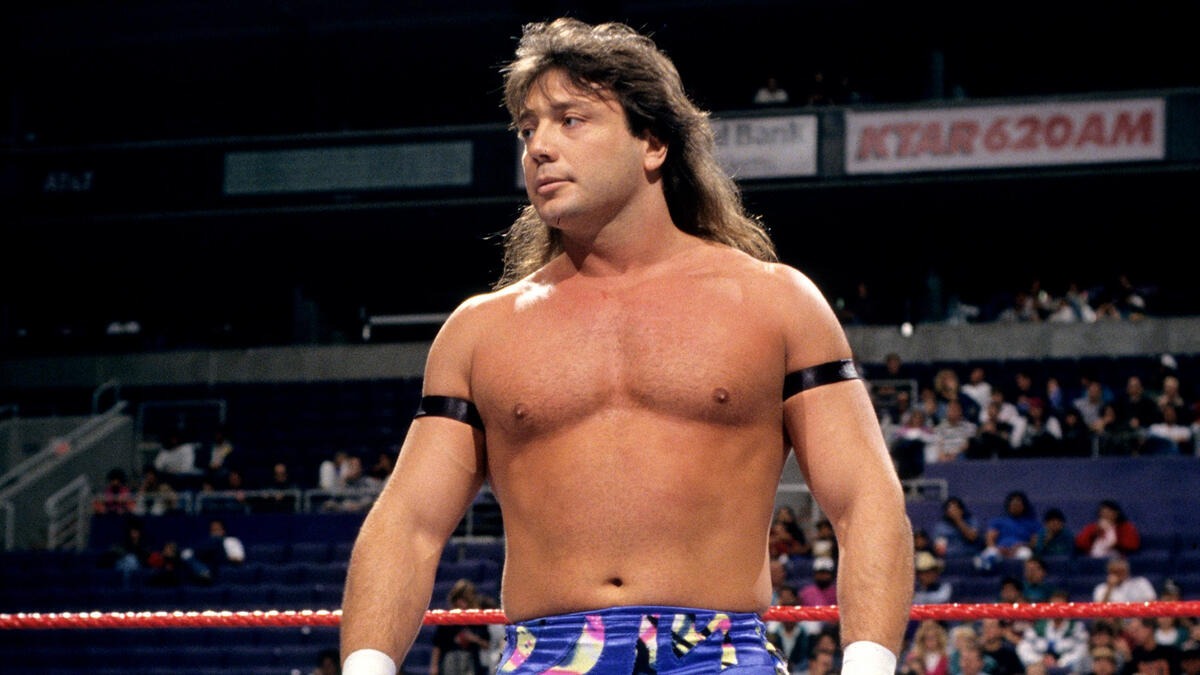
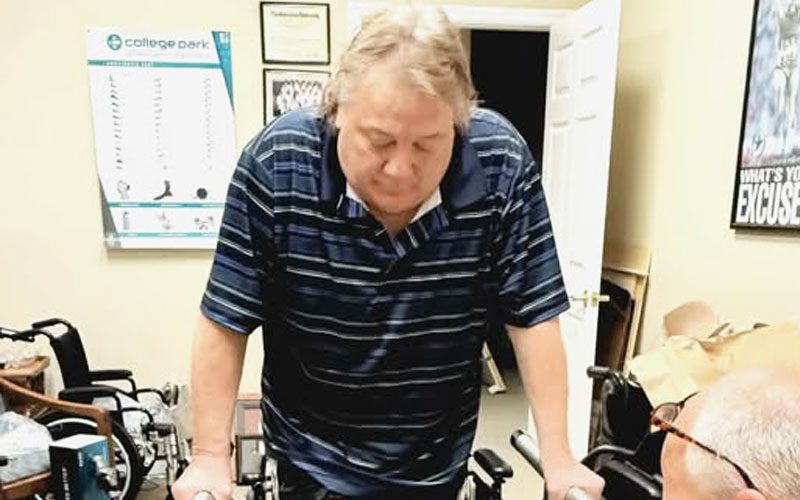
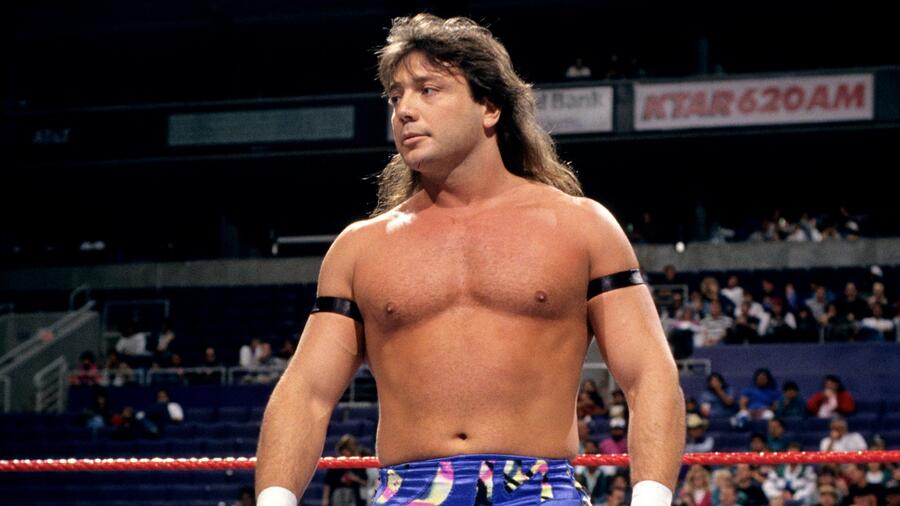
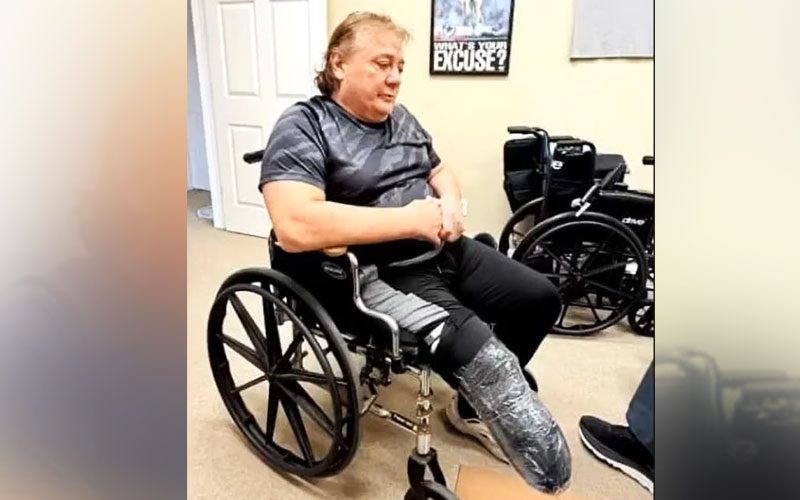
We spent decades dissecting the Rockers' double dropkick or the way Shawn Michaels transformed into a main event headliner. We ignored the bill coming due for the man standing on the other side of the ring. The recent confirmation that Marty Jannetty underwent a lower-limb amputation after a years-long battle with sepsis is a gut punch to anyone who grew up watching territory-era wrestling.
As PWInsider reported, this procedure wasn't some sudden injury. It represents the culmination of chronic health struggles that have plagued him since his active days. Ringside News noted that the infection had been a recurring nightmare for years, finally reaching a point where medical intervention left no other choice.
Missing the warning signs
It is easy to focus on the athleticism of the 1980s and 90s, where high-impact bumps were traded like currency. We romanticize the speed and the innovation of the Rockers, yet we gloss over the reality behind the curtain. The F4WOnline report confirms that the surgery took place recently, ending a long period of uncertainty regarding his mobility.
There is a harsh lesson here about the industry's historical disregard for long-term health. When we talk about "putting your body on the line," we rarely factor in the 30-year aftermath of those bumps. Seeing a legendary high-flyer deal with such a permanent loss forces a shift in how we view the physical cost of entertainment.
Predicting the community response
You can expect a flood of generic tributes on social media over the next few days. Fans will post clips of that classic cage match from 1990 while ignoring the fact that the performer behind the clip is currently fighting for his quality of life. The industry historically prefers the highlight reel to the recovery room.
My prediction? The company will issue a standard, sanitized statement to fulfill PR obligations. They will highlight his accolades in the Intercontinental title picture while burying the reality of his current health. It is a predictable cycle of sentimentality followed by total silence.
I expect more former peers like Eddie Mansfield to speak up about the realities of touring schedules and the lack of medical support. We need to stop acting surprised when these veterans face impossible health outcomes. The cost is baked into the mat. Until there is a real shift in how retired workers are supported, this story will repeat with the next generation of high-flyers.