The Defining Shifts
The history of professional wrestling is written in singular, high-octane sequences that change the trajectory of the industry. These ten moments represent shifts in power, talent movement, and the sheer physicality that defines the sport today.
We evaluate these based on longevity of impact and aesthetic legacy. Some entries are technical masterpieces; others are business-altering headlines that redirected the product entirely.
The Ranking
1. The formation of the Bullet Club in New Japan Pro Wrestling changed the business model of independent contractors overnight. By pivoting away from traditional babyface dynamics, the faction created a global merchandise powerhouse that eventually paved the way for the foundation of AEW. It sits at the top because it redefined how wrestlers monetize their own brands outside of the major legacy promotions.
2. Becky Lynch declaring herself 'The Man' in 2018 remains the pinnacle of organic fan momentum overtaking pre-planned narratives. The shift was so pronounced that it redirected the main event of WrestleMania 35 despite the original creative path moving toward a different matchup. It proves that when fans collectively decide a star is ready, booking plans become secondary to public demand.
3. The debut of CM Punk at the United Center in 2021 signaled a radical shift in AEW's growth. Attendance records were broken, and the fervor surrounding his return from a seven-year hiatus remains unmatched in modern history. However, the eventual fallout proved that relying entirely on nostalgia carries significant risks for locker room cohesion.
4. Daniel Bryan's victory at WrestleMania 30 ended the Authority angle with a level of emotional payoff rarely achieved in combat sports. The decision to integrate him into the double-main event solidified him as the preeminent technician of his generation. Anything less than a clean win over Randy Orton and Batista would have resulted in a riot, making this a masterclass in reading a crowd.
5. The inception of the NXT TakeOver brand turned developmental into a superior product compared to the flagship weekly shows for a three-year stretch. Shows like TakeOver: Dallas featured high-work-rate bouts that forced the main roster to adjust their intensity. Critics often point to the slow pacing of the main roster, but those NXT nights delivered 25 minutes of pure, unadulterated wrestling excellence on every card.
6. Brock Lesnar ending the Undertaker's streak at WrestleMania 30 is the most shocking individual result in the last two decades. The silence in the arena during the three count was a rare moment where scripted television felt like a genuine disaster to the live audience. Even if the booking choice was brilliant in hindsight, the execution remains a polarizing point for historians.
7. The 'Pipebomb' promo from 2011 bridged the gap between shoot-style reality and character work. By naming real-world figures and challenging the internal hierarchy, CM Punk forced the industry to adopt a more cynical, meta style of storytelling. It was a brilliant disruption, even if the subsequent booking failed to capitalize on the momentum.
8. The formation of TNA Impact Zone in Orlando provided a secondary environment where high-flyers like AJ Styles and Samoa Joe could thrive. Without this space, the industry would have remained a stagnant monopoly for far too long. While the company struggled with financial instability, the in-ring output during the mid-2000s remains the peak of the X-Division style.
9. The return of Goldust and Stardust tag team dynamics showcased how legacy performers could reinvent themselves through sheer character commitment. Watching these two navigate the comedic elements of the gimmick while maintaining technical integrity was a clinic in mid-card maintenance. They proved that a strong character arc often outlasts a championship reign.
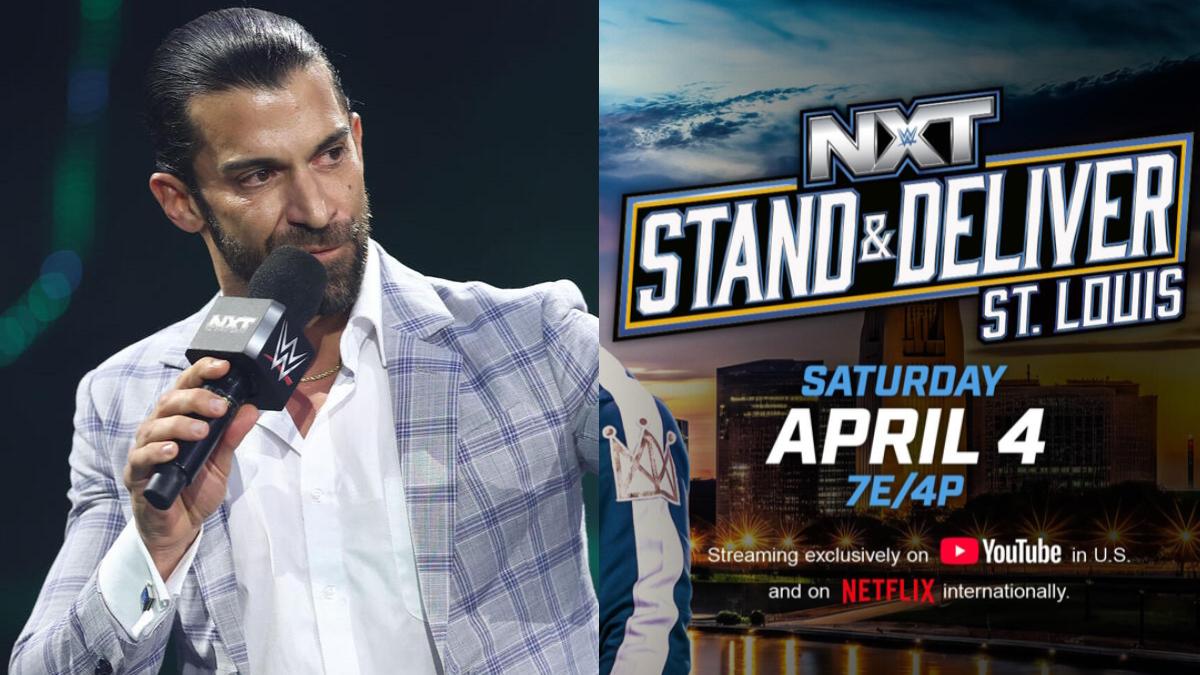
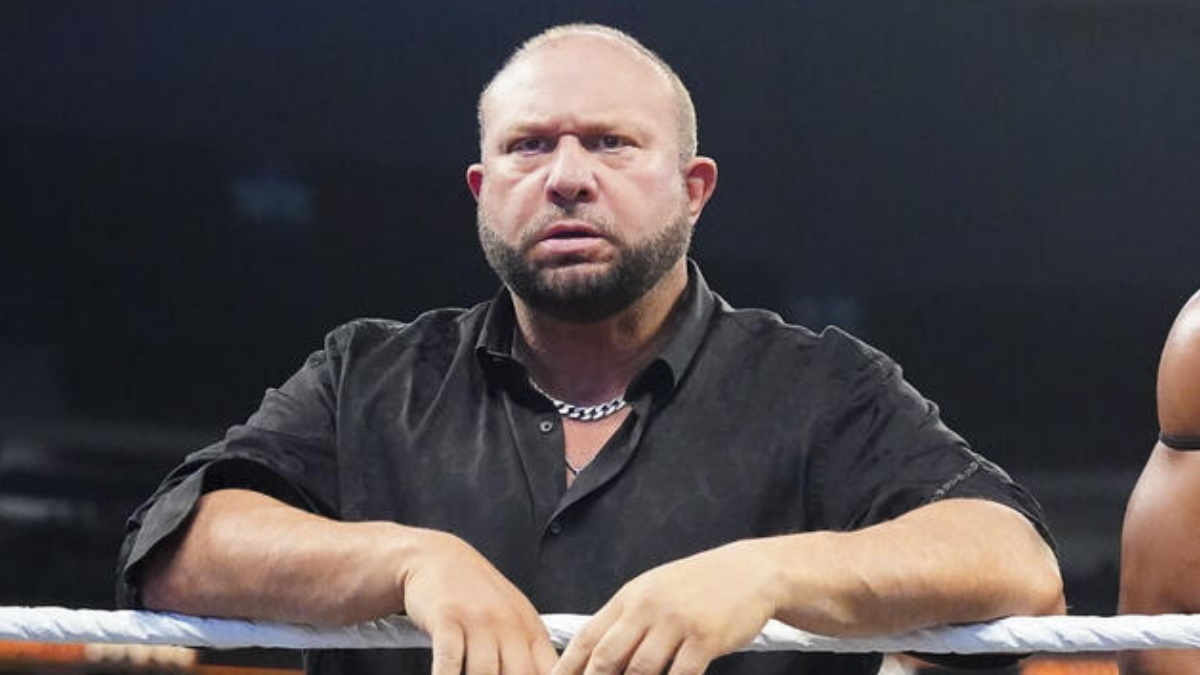
10. The modern transition of talent management, as discussed by veterans like Bubba Ray Dudley in his recent commentary, marks a turn toward professional accountability. As noted in recent reports on his coaching philosophy, there is now less hand-holding for released talent. It is a harsh reality for those exiting the system, but it signals the end of the traditional developmental 'safety net.'