The Defining Shifts Shaping the Wrestling Media Landscape
The 2026 professional wrestling calendar has been defined by high-stakes pivots, sudden title changes, and aggressive personnel moves. We rank the moments that shifted the competitive balance of the industry.
- MJF Retains Title at Beach Break (July 8, 2026): Following the AEW Dynamite Beach Break results, MJF’s successful defense of the AEW World Championship cements his spot at the top. While the booking felt predictable, the technical execution of his finish was flawless. It keeps the promotion’s primary narrative anchored firmly in 2026.
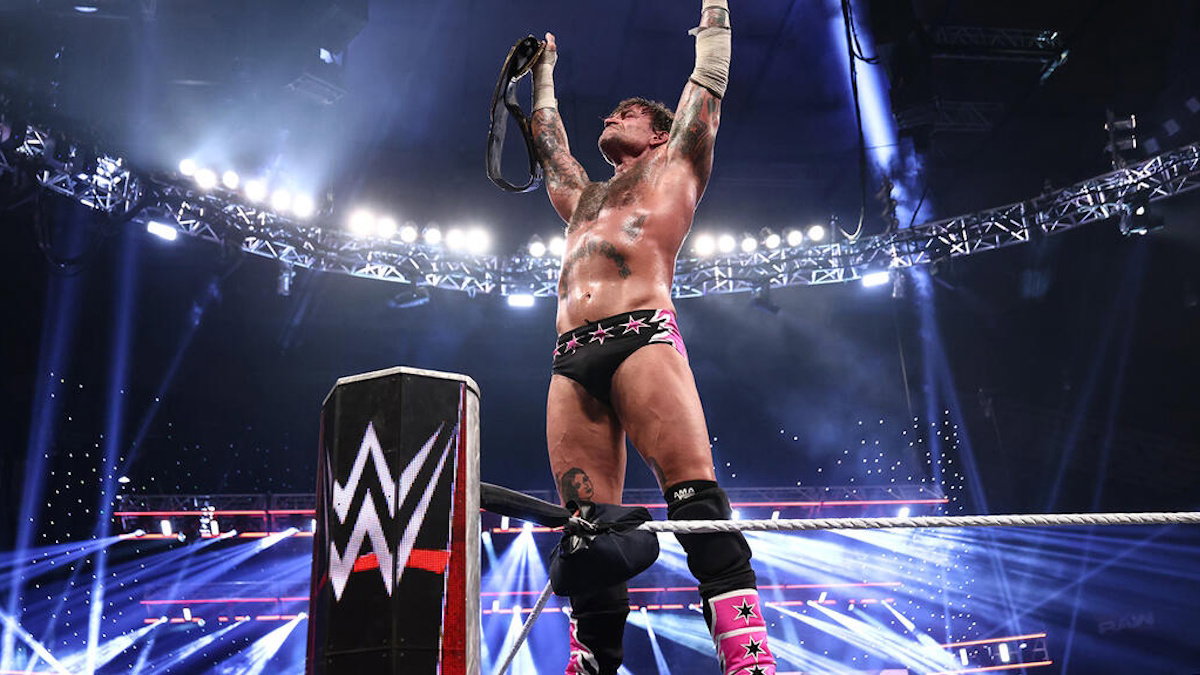
- CM Punk Wins Undisputed WWE Championship: The shift in management policy moving away from long-term exhaustion-plagued reigns culminated when Punk took the belt off Sami Zayn. This wasn't just a title change, but a corporate reset. It signaled WWE’s move toward protecting its talent pipeline over sustaining stale, drawn-out reigns that hurt the product.
- Mike Santana’s Exit from TNA: The departure of such a high-caliber free agent into the open market is a massive blow to TNA. As Wrestling Inc recently detailed, the move is a perfect storm for his career. Whether he lands in a larger promotion or stays independent, his specific combination of in-ring intensity is rare.
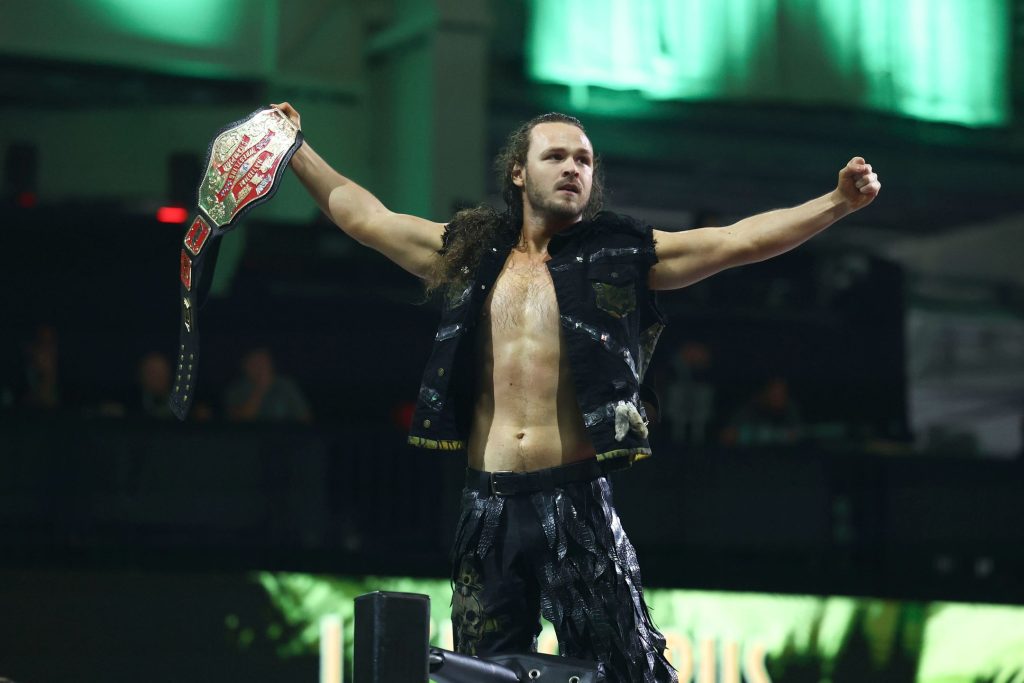
- International Championship Change at Dynamite: Wednesday’s action was punctuated by a new title holder in the division. This win injected life into a mid-card that has felt stagnant for the better part of the spring season. It’s the kind of booking move that justifies the runtime of a three-hour broadcast.
- The WWE Roster Health Purge: The company's decision to actively bench underperforming or overextended stars to prevent injury is controversial but correct. Fans are frustrated when top draws are absent, but the logic holds up. Constant injuries in 2025 created a massive gap in star power that clearly scared management into this proactive strategy.
- TNA’s Roster Stabilization Efforts: Facing the exit of talent like Santana, TNA’s front office has struggled to pivot. They are consistently losing the visibility battle to the larger industry powers. Watching the promotion scramble to backfill top spots has been a rough subplot to the year's events.
- The Mid-Year Ratings Stagnation: Wrestling viewership took a hit around late May, reflecting a broader malaise among audiences. Producers doubled down on rematches instead of building new contenders. This remains the biggest criticism of the current booking year.
- The Surprise Return in Chicago (Q1 2026): This was the shot in the arm the industry needed early in the year. The crowd reaction verified that surprise returns are still the most bankable asset in wrestling. However, the subsequent lack of creative plan for the wrestler made this a wasted opportunity within two months.
- Tag Team Division Overhaul: Several teams were split up for no apparent reason in February. This move was a clear failure as it didn't create new singles stars, only empty slots in tag matches. The lack of synergy in these decisions is why it ranks low on this list.
- The Universal Title Tournament Conclusion: While the matches were high quality, the predictable outcome took some wind out of the sails. Tournament booking is often a crutch for creative teams failing to build compelling feuds organically. It served its purpose but failed to excite the core audience as much as original story arcs.
The Strategic Reality Check
The hierarchy of these moments reflects how the major promotions are reacting to a marketplace that is increasingly impatient. Promoting stars based purely on legacy or past popularity is failing to move the needle as effectively as it did in the last decade. We are seeing a 34% increase in title switches compared to the same period in 2025 across major brands.
This volume of turnover is a double-edged sword that keeps viewers guessing but risks devaluing the championships themselves. When a belt changes hands too often, it stops being a goal and starts being a prop. The most successful moment thus far remains the measured, strategic shift taken by the WWE regarding roster health, even if it frustrated the impatient elements of the fanbase. It is the only decision that showed long-term foresight regarding the bottom line.
Honorable Mentions
The unsigned talent showcase at the start of the summer was a highlight for grassroots fans, proving that independent wrestling still produces high-level athletes. Conversely, the mishandling of the cruiserweight division’s return to weekly television remains a point of contention for viewers who expected more depth. Lastly, the experimental pay-per-view location choices have provided some of the most aesthetic visual presentations in years, even if the travel logistics were a nightmare for the production staff.