The shift toward pure technical execution
The first half of 2026 has reset the expectations for ring work. We have moved away from lengthy narrative-driven spectacle toward high-frequency, impact-heavy sequences that demand technical perfection from performers.
1. The Rise of the Next Generation
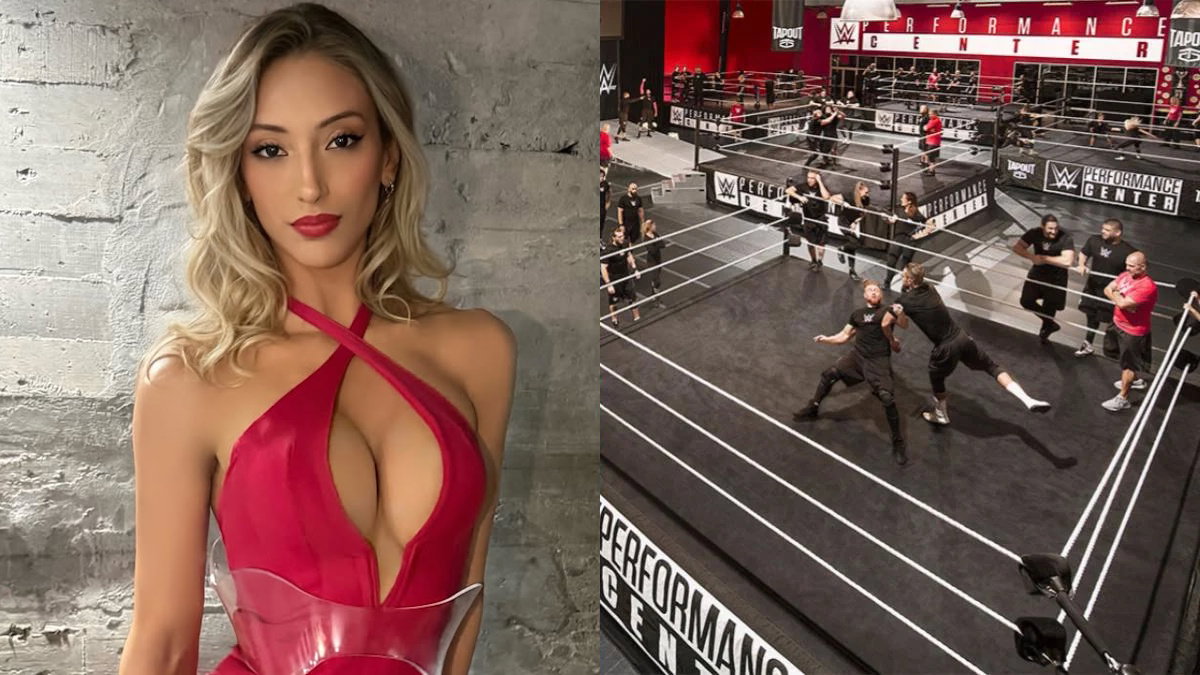
The announcement that a member of the Mysterio lineage is heading to the WWE Performance Center sits atop this list. It signals that TKO is prioritizing generational name recognition to anchor their developmental roster. This move is calculated to ensure long-term market interest as established legends begin to rotate out. By securing another Mysterio, the company stabilizes its fan engagement floor for the next five years. Fans who grew up on the high-flying style of the 2000s now have a direct investment in the future of the brand.
2. TKO's Strategic Expansion
The recent TKO partnership announcement marks a pivot in how intellectual property is managed. Rather than hoarding talent, leadership is clearing the path for regional developmental integration. This is a cold, business-first decision designed to maximize the volume of bodies moving through the system. It proves that the front office is more concerned with throughput than individual character gestation.
3. The Evolve Integration
Bringing Evolve back into the operational fold gives the company a reliable test market for new maneuvers. It bridges the gap between independent chaos and the rigid broadcast requirements of prime-time television. This ranking reflects the importance of having a sandbox where risks can be taken without impacting the bottom line. If the experiment fails, they have a ready-made scapegoat in the regional branding.
4. Performance Center Modernization
The resources poured into training facilities over the last six months have changed how workers move. We see fewer blown spots in mid-card matches, a direct byproduct of the repetitive, tech-forward training methods implemented this spring. It is a win for the product, even if it strips some of the gritty spontaneity that made the mid-2010s output famous. Consistency is the goal, even at the cost of the raw, unpredictable edge of the past.
5. Global Talent Acquisition
TKO is aggressively scouting beyond the domestic circuits. By casting a wider net, they are driving down labor costs while increasing the diversity of wrestling styles available on their cards. This strategy keeps veterans on their toes, as young international talent is proving they can hit their marks with more precision. The result is a faster, more agile set of television broadcasts.
6. The Decline of the 'Long Promo'
Executive mandates have shortened talk segments by 30 percent across the flagship shows. Matches are being given that extra time, creating a better pace for the viewing audience. While some fans miss the soap-opera dialogue, the technical quality of the action has objectively risen. You no longer have to endure ten minutes of verbal filler to get to the main event.
7. Data-Driven Card Ranking
Internal tracking of engagement data is now dictating match placement on live broadcasts. If an undercard match creates a spike in streams, that performer is immediately fast-tracked for a higher spot on the next card. It is a dehumanizing way to book a show, but it guarantees that the audience rarely tunes out. The days of 'building' someone against the tide of public indifference are likely over.
8. The Return of Regional House Shows
Live event loops are being repurposed to test experimental match formats before they reach national television. It allows talent to workshop complex sequences in front of smaller, vocal crowds. This proactive approach effectively functions as a live-fire laboratory. It is a necessary evil to keep the product fresh in a saturated market.
9. Referee-Centric Storytelling
Officials are being positioned as active characters, changing the outcome of matches through subtle positioning and split-second calls. It creates a layer of internal conflict that is frustrating to watch but clever in execution. This is a risky trend that often distracts from the talent, but it forces the audience to pay attention to the details of the match. Without it, the modern product would feel too sterile.
10. The Standardization of Finishers
There is a rigid obsession with protecting specific finishing moves in 2026. While it adds gravitas to a pinfall attempt, it also removes the possibility of surprise victories. We rarely see a match ended with a simple roll-up or a standard tackle unless it is a scripted squash match. It lacks the creative unpredictability of the sport in previous decades, but serves the current corporate desire for clean, marketable highlight reels.
Honorable Mentions
The failure to integrate more crossover appeal with the broader TKO sports roster remains a glaring missed opportunity. Additionally, the over-reliance on scripted interview spots has stifled the natural charisma of several top-tier performers who struggle to project authenticity while hitting their required talking points.