The Home Front Reality Check
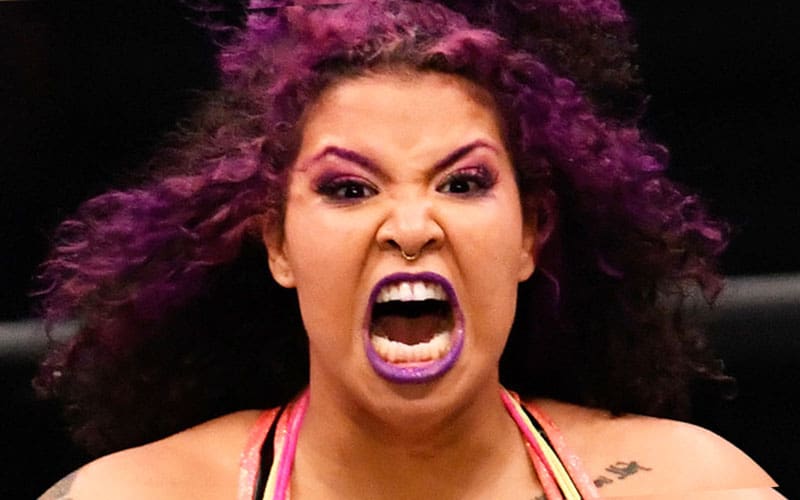
Getting into professional wrestling isn’t just about learning how to take a flat-back bump without folding your spine like an accordion. It’s about the emotional toll of convincing your family that you’ve chosen to get paid to bleed for a living. The latest internet chatter is obsessing over the story that Skye Blue’s mother initially put the kibosh on her wrestling career, and honestly, if your parents didn’t beg you to get a real job, are you even a wrestler?
The community is currently split between the romanticists who think following your dreams is the only path in life and the hyper-pragmatists who recognize that most people who try to break into this business end up with a mountain of medical debt and a bad hip by 28. It’s the classic clash between the circus dreams of a kid and the terrified insurance-conscious perspective of a parent who watches their child jump off the top rope.
The Idealist Brigade
A good chunk of the online discourse is coming from the dream-chaser faction. These fans argue that the industry is built on grit and that any parent who tries to hold a star back from their destiny is fundamentally misunderstanding the modern hustle. They point to the evolution of the independent scene where performers like Skye Blue spent years honing their craft in bingo halls and high school gyms before finally clawing their way to national television.
You’ll see comments on boards essentially saying that parents just don’t get the art form, treating wrestling as if it’s a standard 9-to-5 corporate gig that needs to have a 401k attached to it from day one. There is a strong feeling that the sacrifice is part of the initiation, and if you haven’t had your mom tell you to quit, you probably didn’t want it bad enough to begin with. It’s a very romantic, very naive way to look at the business, but these fans are the ones keeping the morale high on message boards.
The Realist Grumps
Then you have the side of the fence where I spend most of my time. The skeptics are rightfully pointing out that mom was probably looking at the risk-to-reward ratio and correctly identifying that the odds of making it in the ring are lower than my chances of winning the lottery during a lightning storm. This isn't just about a career choice; it's about the physical reality of a sport where one missed timing on a springboard cutter or a botched landing can retire you before you sign your first real contract.
These commenters are less about the 'follow your heart' narrative and more about the brutal economics of being a non-contracted indie wrestler. They know that until you make it big, you're driving six hours for a sandwich and a handshake, and that's not exactly a retirement plan. The reaction here isn't mockery of Skye Blue, but a weirdly protective stance toward the parents who actually see the medical bills before they happen. If you’ve ever watched a show in a humid gym where someone has to be helped to the back because their knee just decided to retire early, you understand why a parent would be terrified.
The Verdict: A Necessary Friction
So, who has the better argument? If we look at the history of the sport, the dreamers are usually the ones making the breakthroughs, but the grumps are frequently the ones who keep the industry from completely cannibalizing itself. Without the pushback, we wouldn't have the stories of triumph that define the best segments on television. The conflict between the parent wanting safety and the kid wanting glory is the ultimate wrestling angle that doesn’t require a script.
My take? The fans who are getting defensive about the parents are missing the forest for the trees. Wrestling is chaotic, dangerous, and makes zero sense from a traditional financial perspective. If your parents weren't a little skeptical, they weren't paying attention to the match. I’ve seen enough concussions and career-ending injuries in undercards to know that the worry is justified. But the fact that people actually break through that barrier and make it to the main stage is exactly what makes me, and every other degenerate in this bar, keep watching.
Ultimately, the discussion around this specific story highlights how much fans crave a connection to the human aspect of these characters once the lights go down. We love the maneuvers, we love the title changes, but give us a bit of family drama that mirrors our own boring, high-stakes lives, and suddenly the community is deeply invested. It’s a messy, loud, and often frustrating way to be a fan, but it beats caring about literally anything else on a Saturday night.