The State of All Elite Wrestling
AEW is navigating a complex transition period where massive commercial windfalls clash with persistent behind-the-scenes attrition. As the wrestling industry accelerates toward a summer defined by global sporting events, the promotion hangs its hat on high-caliber in-ring workers while managing a volatile roster.
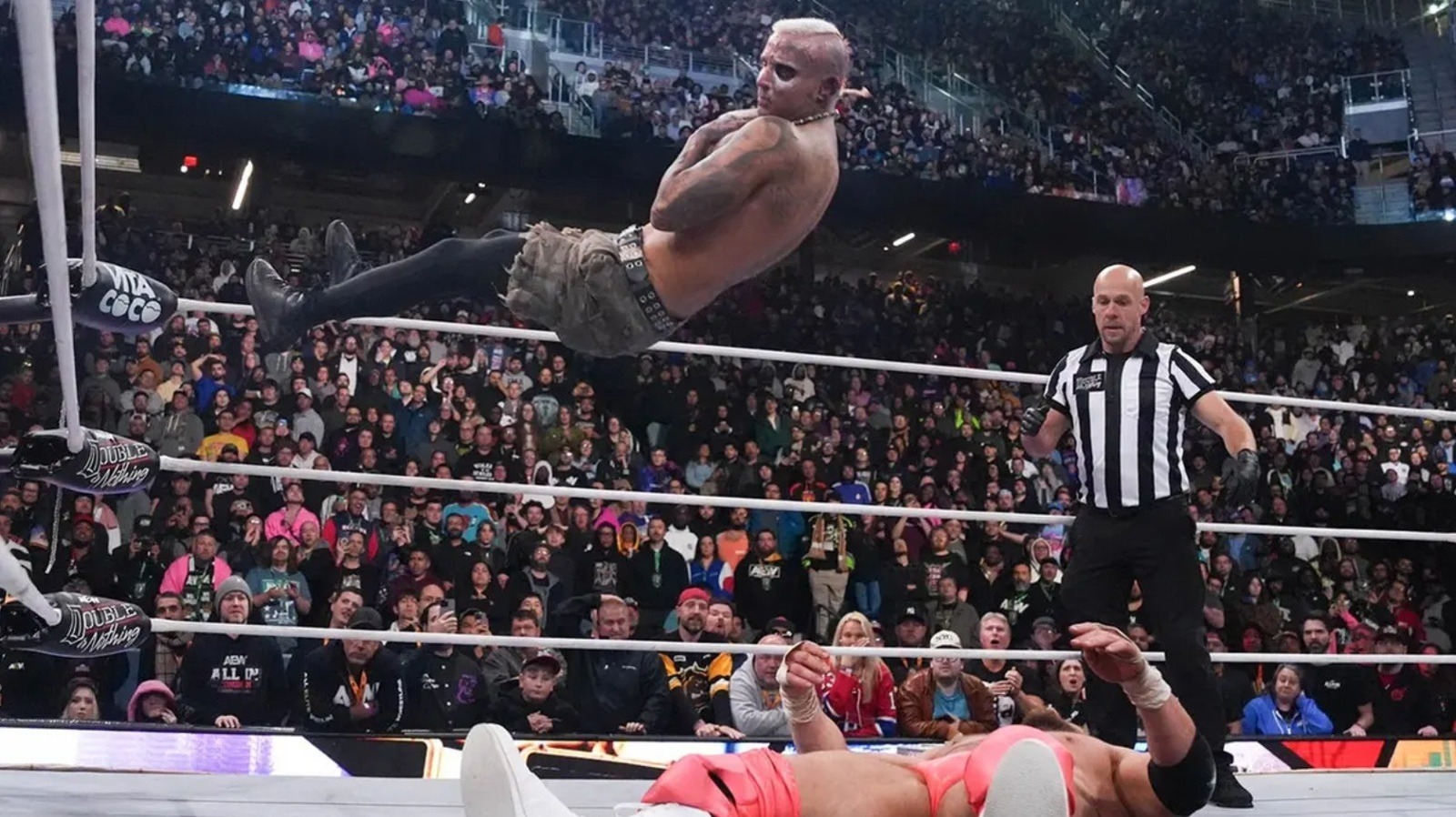
1. Will Ospreay’s ascension. Following his performance at Double or Nothing 2026, Ospreay proved he is the engine of the company. His execution of the Styles Clash drew direct praise from AJ Styles, who called the maneuver flawless in a recent interview. He sits at the top because he bridges the gap between technical purity and household name recognition.
2. Double or Nothing 2026 buyrates. Dave Meltzer reported that the pay-per-view success of Double or Nothing 2026 exceeded internal expectations during a competitive market window. Strong numbers justify the heavy investment in marquee match-ups. Commercial stability remains the primary metric for Tony Khan’s long-term planning.
3. AJ Styles’ endorsement. It sounds minor, but seeing a top WWE star like AJ Styles publicly commend Ospreay for his execution of the Styles Clash is a significant cultural bridge. This type of cross-company professional respect elevates the perception of AEW’s technical standards. It validates the brand for fans who prioritize legitimate wrestling ability over pure spectacle.
4. Jim Ross’s iron will. The veteran announcer recently detailed his grueling travel and health challenges while attempting to work Double or Nothing. That he managed to make it to the desk despite those documented physical hurdles is a story about the dedication of original personnel. However, it also highlights a critical issue: the over-reliance on aging legends.
5. The Buddy Matthews injury status. Recent updates from Rhea Ripley confirm that Matthews is still navigating the lingering effects of an injury sustained in a match last year. His absence from key television spots leaves a hole in the mid-card talent depth. Fans tracking his return date are essentially playing a guessing game at this point.
6. Production consistency. AEW’s ability to deliver a seamless major event despite logistical chaos deserves acknowledgment. The company is learning how to mask operational friction behind slick presentation. If they can replicate the 2026 Double or Nothing visual polish, they will retain their core audience throughout the summer.
7. Mid-card stagnation. While the main event scene thrives, the undercard often feels disconnected from long-term narrative arcs. Bookings need to tighten up before the World Cup mania draws attention away from non-essential storylines. They are currently prone to filler matches that provide no long-term stakes.
8. The revolving injury door. Beyond Matthews, the roster remains fragile. Relying on high-impact styles means performers are consistently dropping out of circulation. This remains a systemic failure of professional health management that needs an immediate overhaul.
9. Commentary transition. With JR potentially reducing his travel footprint, the booth needs fresh blood that doesn't feel like a stylistic downgrade. They are experimenting with configurations, but nothing feels permanent yet. Finding the right voice for the next era is just as important as finding the next main event star.
10. International expansion potential. With global attention shifting to the FIFA World Cup starting on June 11, AEW needs a pivot. They risk being drowned out by mainstream sports noise unless they ramp up high-intensity angles. They have 9 days to secure their momentum before the global calendar shifts dramatically.
Honorable Mentions
The persistent rumors surrounding contract expirations for mid-card talent frequently overshadow actual booking decisions. Additionally, the increasing reliance on one-off appearances by part-time veterans often stunts the growth of full-time roster members. It is a balancing act that management is clearly struggling to calibrate in the second quarter of 2026.