The long road back to the ring
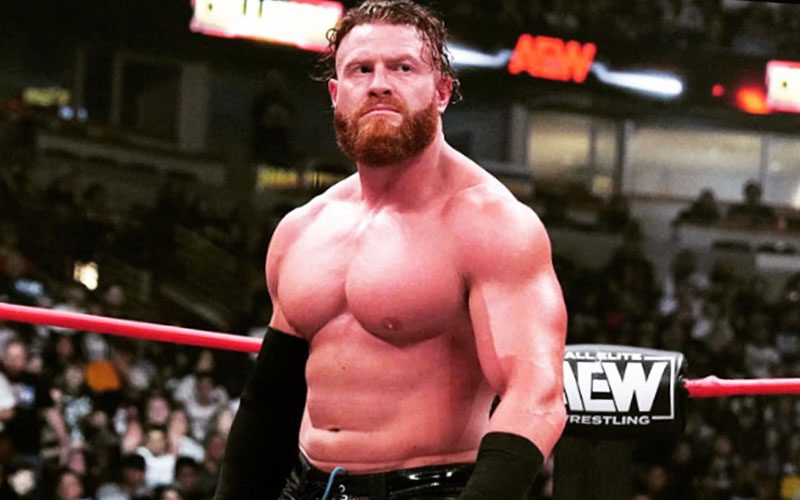
Buddy Matthews is officially back. After a grueling 17-month absence, the AEW star has been cleared to resume active competition. The announcement marks the end of a long period of uncertainty for the Australian-born performer who last saw meaningful action in early 2025.
Matthews spent over a year navigating a series of setbacks that hampered his physical recovery. His absence from the squared circle since February 2025 created a massive gap in the mid-card talent pool. Sources close to the roster indicate that his return to training sessions has been consistent over the last three weeks.
The cost of the 17-month hiatus
Any injury recovery stretching beyond a year carries significant professional danger. Matthews, known for his high-velocity strikes and intricate technical chains like his signature Murphy's Law, relies heavily on explosiveness. Muscle atrophy and timing degradation are the primary enemies when a star remains out of the ring for nearly 500 days.
Medical professionals often point out that the human body requires a specific pace to re-acclimate to the high-impact nature of professional wrestling. Training drills are never a one-to-one substitute for live television environments. The transition from controlled gym sessions to live bouts under bright lights usually brings a risk of recurring strain.
This recovery process echoes the paths taken by past stars who endured lengthy layoffs due to ligament and joint issues. Historical data suggests the first three months back are the most dangerous. Management must focus on limiting his load during the initial rollout to avoid the recent injury patterns that plagued the roster throughout early 2026.
Strategic implications for the AEW mid-card
Matthews returns to a promotion that looks much different than the one he left. The depth in the upper-mid-card has shifted, with new talent rising during his time away. His re-introduction creates a logjam for screen time, forcing creative writers to carve out fresh storylines immediately.
If the promotion attempts to hot-shot him back into a high-stakes feud, they risk exposing his ring rust. The wrestling industry has consistently shown that rushing a returning star often backfires. Audiences are unforgiving, and poor execution upon return can damage a performer's standing for the duration of a calendar year.
There is also the matter of booking logic. Matthews thrived as a specialist in the House of Black, a faction that thrived on a distinct presentation. Reintegrating him into that unit or pushing him as a solo act requires a sharp narrative pivot. Misreading his current physical ceiling could cost the company valuable momentum as they head into the fall television cycle.
The clinical outlook
Medical clearance is merely the first step. The real test is durability during back-to-back taping schedules. Matthews is reportedly focusing on maintenance-heavy resistance training to support the joints that caused his 17-month delay. His specific return date has not been set in stone, though whispers suggest a mid-August comeback.
Expect to see him working short-duration matches initially. Testing his stamina against reliable, high-IQ workers who understand pacing is the smartest move for his long-term health. If he can survive 10 minutes of active wrestling without complications, he should be back to his full repertoire by the end of the year.
The margin for error here is slim. A 17-month break is an eternity in modern sports entertainment. Whether he returns with his signature snap or struggles to find his rhythm will determine his trajectory for the rest of his contract. Every move he makes in his first month back will be scrutinized by fans and the medical staff alike.