The Big Picture
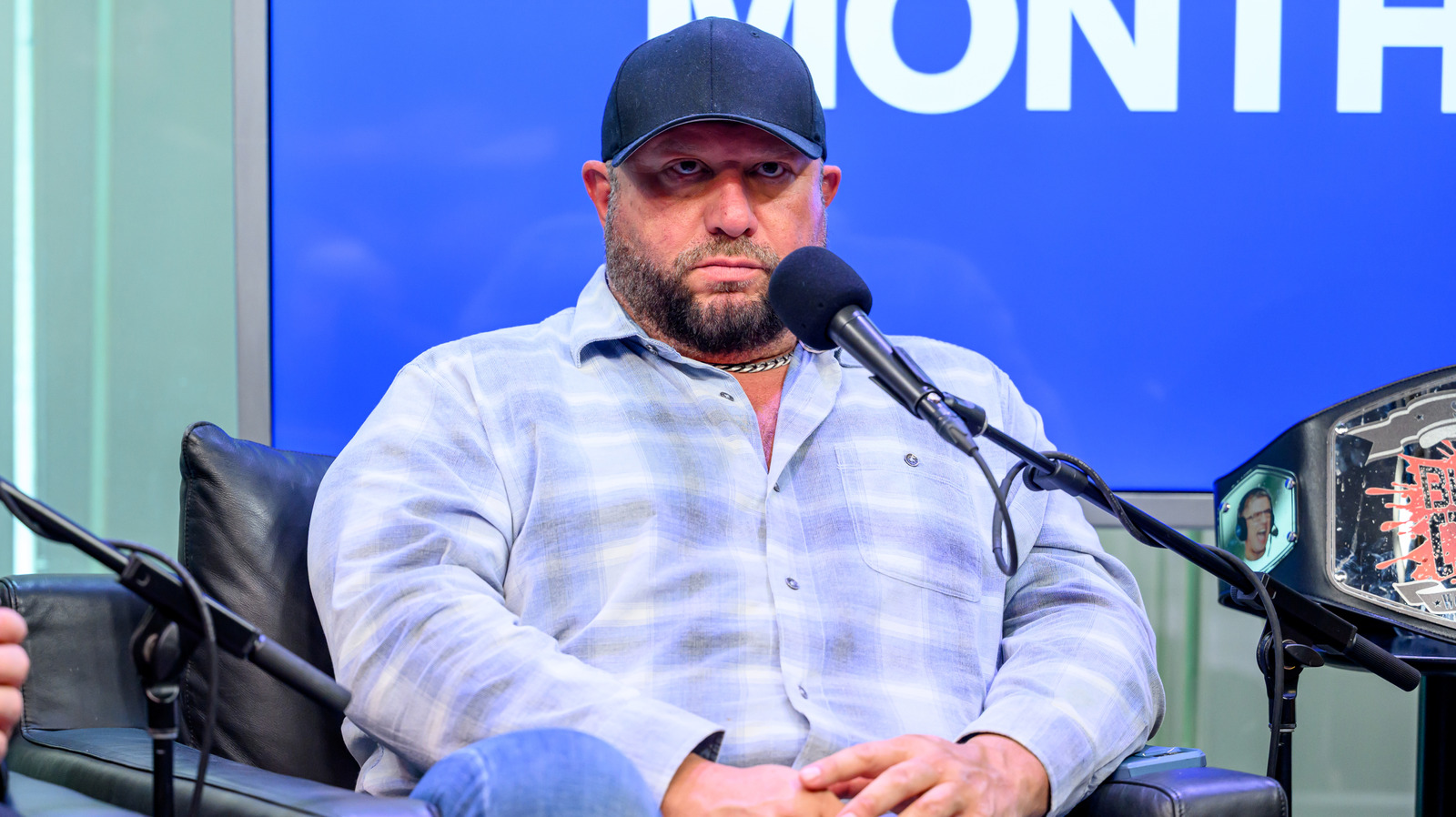
In the noise of modern professional wrestling discourse, few voices carry as much polarizing weight as Mark LoMonaco, better known as Bully Ray. Whether he is dissecting the booking of prospects like Oba Femi or sparking online firestorms via his podcast, Ray remains a central figure in the conversation.
The Ranking
1. The Bubba Ray Dudley persona of the ECW era defined a generation of tag-team violence. He moved from the basement of the bingo hall to international stardom by perfecting the art of the crowd antagonizer. Without his mid-90s work, the trajectory of tag-team wrestling stays stagnant.
2. The 2013 TNA World Heavyweight Championship run stands as his best singles career high. He reinvented himself as the leader of Aces & Eights, moving away from the comedy routines he was known for in WWE. The slow-burn reveal of his betrayal is still taught as a masterclass in psychological booking.
3. His legendary run alongside D-Von Dudley remains the gold standard for tag-team wrestling. From the high-stakes tables at WrestleMania 17 to the grit of the ECW Arena, they were untouchable. They did not just win championships; they defined the aesthetic of a decade.
4. Recent commentary work on Busted Open Radio serves as a cornerstone for current industry analysis. While critics often label him abrasive, his perspective as an active worker provides a necessary, if sharp, contrast to corporate narratives. As Eric Bischoff has noted, those who hate his bluntness often ignore the veteran logic behind his takes.
5. The transition to the "Bully Ray" singles character in TNA displayed a rare range for a performer who spent his entire career in a tandem. He effectively shed the Dudley Boyz identity to become a genuine main-event threat. He proved that he did not need a partner to command a microphone or a crowd.
6. His ongoing critiques of modern WWE booking, including his recent analysis of Oba Femi, show he is still deeply embedded in the business. He correctly identified that a win over a star like Brock Lesnar places Femi in a tricky situation regarding future growth. He understands that peak momentum too early can be a booking trap for young talent.
7. His willingness to mentor the next generation, including potentially passing down the World’s Strongest Slam legacy to guys like Oba Femi as reported by Ringside News, shows he isn't just a talking head. He is active in the pipeline of talent. He cares about the physical mechanics of the business.
8. His 2015 WWE return provided a nostalgic pop, but it also underscored his limitations as a full-time in-ring performer compared to his younger peers. The company didn't pull the trigger on a sustained singles push, relegating him to a nostalgia act that felt out of step with the current roster. It was a booking failure for a guy who still had main-event cachet.
9. The early days in the Tri-State Wrestling Alliance built his foundation in technical brawling. While he grew into a polished trash-talker, these formative moments instilled the toughness that defined his later career. It is where he learned that heat is the only currency that matters in this industry.
10. His short-lived Ring of Honor world title run served as a transitional period that didn't quite capture the electricity of his TNA heyday. While he brought eyeballs to the product, the presentation felt like a forced marriage between two different eras of wrestling. It wasn't his finest hour, but it proved he could still lead a locker room at a senior level.
Honorable Mentions
His work as a trainer in the Team 3D Academy is the foundation of many careers, yet it remains under-reported by mainstream outlets. Additionally, his sporadic appearances in independent promotions like House of Hardcore prove he still values the locker room culture he climbed out of in the 1990s. While he remains a polarizing figure, his influence on the industry's evolution through 2026 is undeniable.