1. Speedball Mike Bailey Ascends
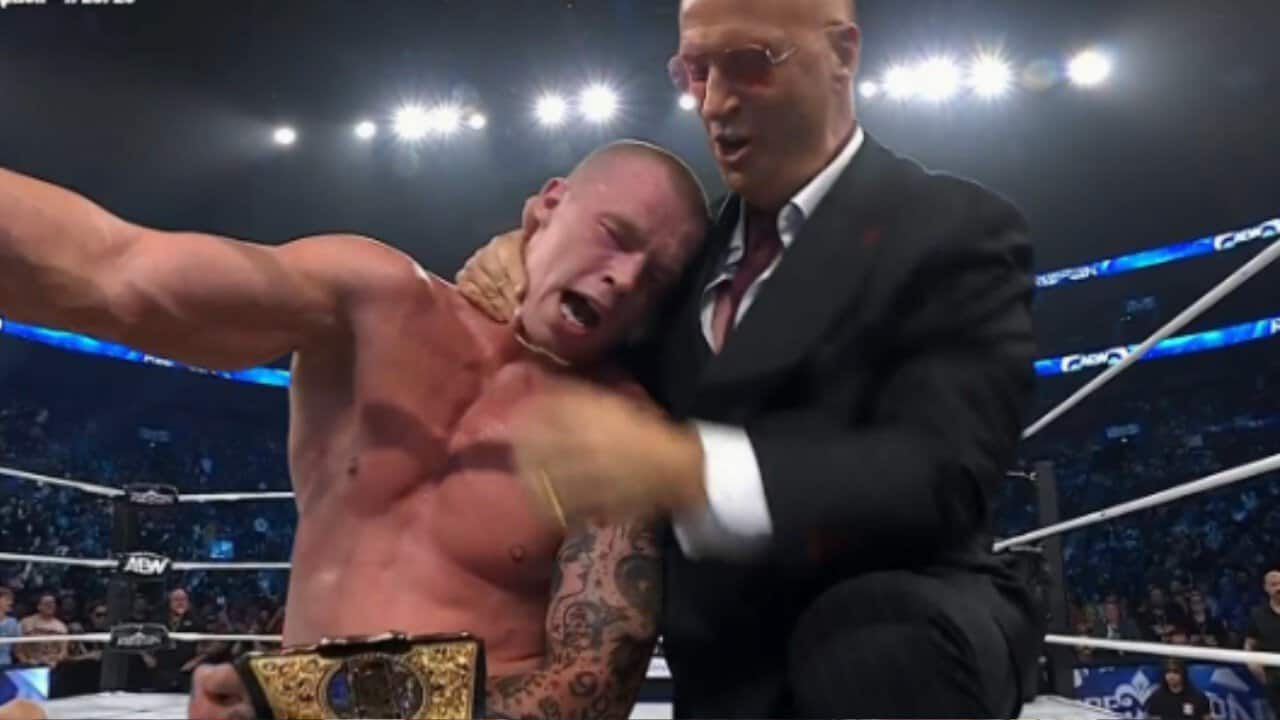
Mike Bailey clutched the contract, standing atop the ladder at the 28-minute mark during the Redemption opener. He navigated a field crowded with high-flyers to secure his spot as the number one contender for the International Title.
The athleticism on display in Montreal proved Bailey is ready for a championship run. He neutralized a late-stage surge from his opponents by hitting a rapid-fire sequence of strikes. This victory solidified his position at the top of the card.
2. The Montreal Crowd Reacts
The Bell Centre audience stayed white-hot throughout the three-hour broadcast on July 26. Fans sustained a deafening volume during every high-risk maneuver, particularly the opening ladder match.
This level of engagement is rarely seen in 2026. Montreal fans demanded a high work rate and were rewarded with consistent intensity. Their investment made the show feel more consequential than a standard mid-year event.
3. Ladder Match Chaos
The ladder match chaos defined the technical ceiling of this event. Wrestlers utilized five different ladder placements to engineer spots that defied conventional physics.
Execution remained airtight despite the obvious physical toll. The precision required to land these sequences without causing injury is a technical achievement. It was the best bell-to-bell performance of the night.
4. Strategic Booking Failures
Not every moment hit its mark during the Montreal broadcast. Some sequences felt intentionally slowed down to create manufactured tension, which disrupted the flow for viewers at home.
This pacing error hindered the middle portion of the show. AEW needs to trim these segments if they want to maintain the momentum established by the opening ladder match. It was a clear developmental misstep in an otherwise tight event.
5. International Title Stakes
The win for Mike Bailey raises the profile of the International Title. By positioning the belt as the primary focus of the premiere event, the promotion established a clear hierarchy for the division.
This placement signals that the company prioritizes fast-paced, technical wrestling over slower storytelling. It forces other contenders to elevate their work rate to match the new standard. The belt feels more relevant than it did in June.
6. The Bell Centre Atmosphere
Hosting this event in Montreal provided a unique aesthetic backdrop. The arena acoustics amplified the crowd noise, making every near-fall feel desperate.
This venue choice was a success. The production team utilized the space well, ensuring the broadcast captured the energy of the crowd. It set a bar for how regional events should be presented on streaming platforms.
7. Transition Timing
Transitions between matches were handled with surgical efficiency during the live airing. There was minimal filler between the heavy-hitting segments on the card.
This brevity kept the energy from collapsing during the mid-show lull. It allowed the roster to lean into the aggressive style that dominated the night. Fans rarely had a chance to check their phones.
8. High-Flyer Supremacy
The reliance on speed-based wrestling throughout Redemption was a gamble that paid off. It prioritized the skill set of the current breakout stars over the established veteran main eventers.
This shift in focus signifies a changing guard. Young talent outperformed expectations, showing they can anchor an international broadcast. The reliance on agility kept the broadcast engaging.
9. Mid-Show Momentum
Despite the slower sequences in the middle of the broadcast, individual matches maintained enough individual quality to survive the dip. Wrestlers found ways to inject energy back into the venue following the slow spots.
It showed resilience in the booking. The show recovered quickly from its weaker segments. It confirms that the roster has enough depth to absorb a bad segment without ruining the entire show.
10. The Closing Visual
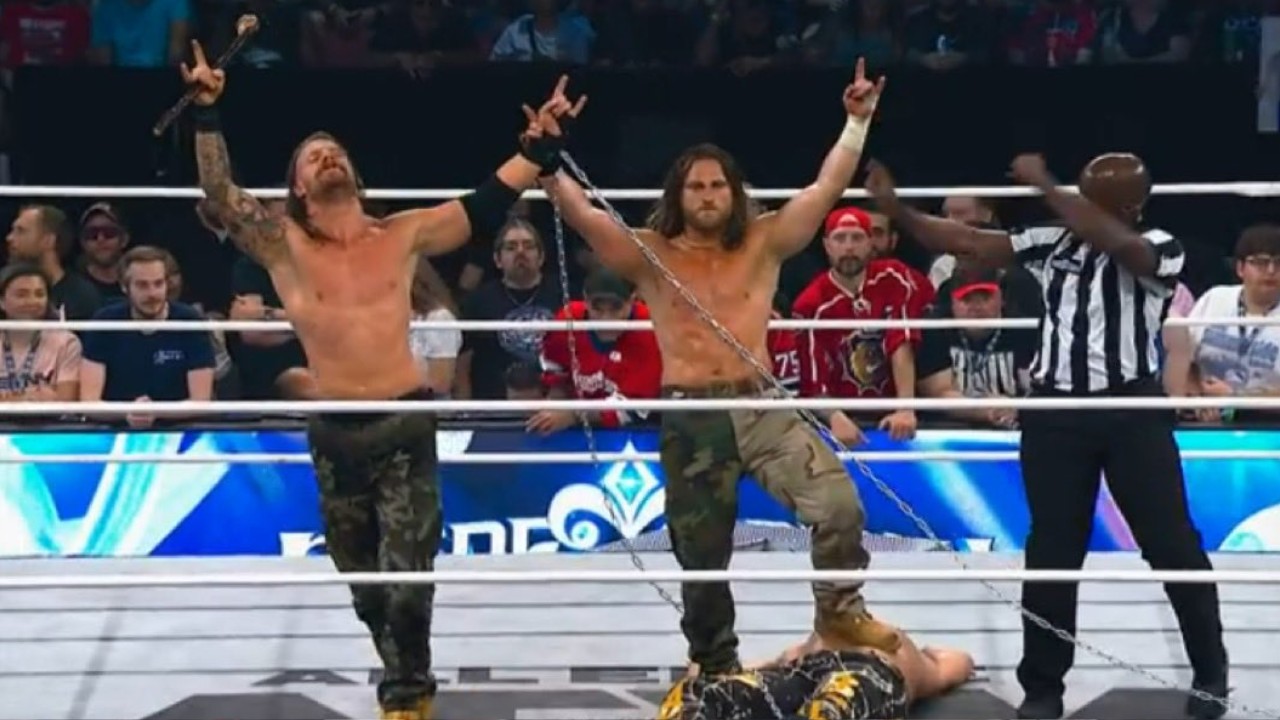
The final shot of the pay-per-view captured the aftermath inside the ring. It served as a reminder that the promotion is committed to an aggressive, high-risk presentation style.
While imperfect, the image reflected a successful push into the second half of the year. The broadcast team effectively contextualized the importance of these results. They left the audience with a clear sense of the next rivalry to watch.
Honorable Mentions
The efficiency of the ring crew during gear changes deserves a nod; the speed kept the show running without dead air. Additionally, the camera work during the ladder strikes highlighted the impact of the blows without obscuring the action. These small technical feats prevented the broadcast from feeling cluttered.