The math behind a billion-dollar swing
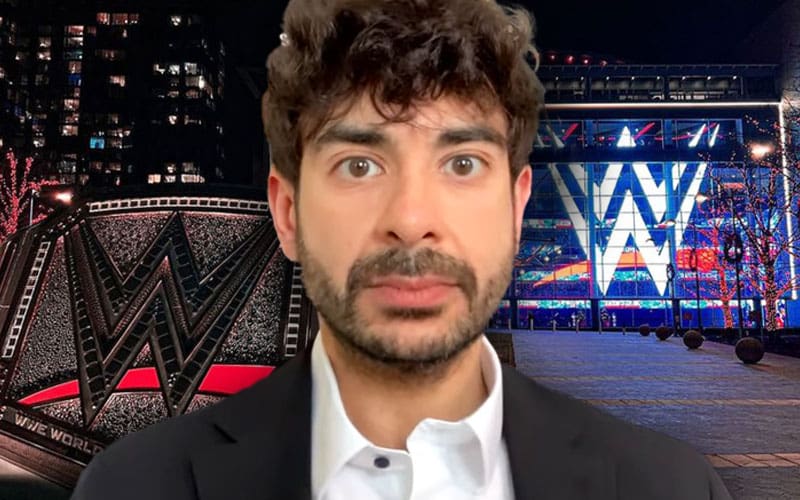
Tony Khan recently confirmed he made a formal attempt to purchase WWE during its chaotic sale process in 2023. When you look at the raw numbers, the bid was always destined for the desk of a corporate accountant rather than a boardroom success. Khan was competing against Endeavor, a entertainment giant that closed the deal at an enterprise value of $9.3 billion.
Tony Khan’s logic was fueled by his desire to consolidate the wrestling market, but his lack of an existing conglomerate structure made the move look like an amateur play to Wall Street analysts. Endeavor already controlled UFC, allowing them to extract immediate value by combining administrative costs and media rights negotiations. Tony Khan simply didn't have the leverage to compete with that level of backend integration.
The valuation gap was too large to bridge
The wrestling industry's financial reality is currently dictated by massive broadcasting rights. WWE’s television deals were pulling in over $1 billion annually long before the sale was finalized. Khan’s attempt to enter that conversation assumes that individual capital can outmatch institutional scale.
The move failed for the same reason most independent bids for major sports properties stumble: the seller wanted cash plus distribution power. Endeavor offered both. Khan suggested that his personal wealth would handle the cash, but he brought zero new distribution channels to the table. When you weigh the $9.3 billion exit price against AEW's current revenue streams, the math remains fundamentally skewed.
AEW vs. the corporate machine
Critics of the bid argue that Khan missed the point of scaling his own promotion. Instead of building AEW into a self-sustaining juggernaut, the focus shifted to a acquisition play that lacked long-term viability. As Tony Khan explained his reasoning, the primary driver was fan obsession rather than a clear path to profitability.
Managing a company the size of WWE requires more than just capital; it demands an iron-clad grip on international syndication. Even if Khan had secured the funding at a 15% interest rate or higher, he would have hemorrhaged cash within 18 months. The reality is that the $9.3 billion valuation remains the ceiling for the sport for a reason. Anyone suggesting otherwise is ignoring the brutal efficiency required to turn a house show schedule into a global media output.
Ultimately, the bid was a vanity exercise disguised as a strategic maneuver. It is worth remembering that Endeavor also owns WME, giving them a talent roster that guarantees cross-promotional success. Khan's roster is talented, but relying on wrestling alone cannot compete with the 800+ athlete network Endeavor possesses. The 2023 cycle taught us that size matters, and in this case, the bigger balance sheet won.