The reality of the AEW injury cycle
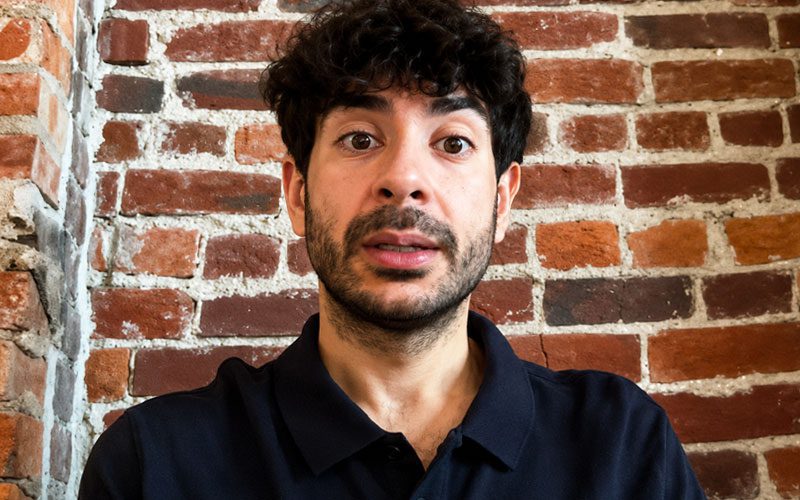
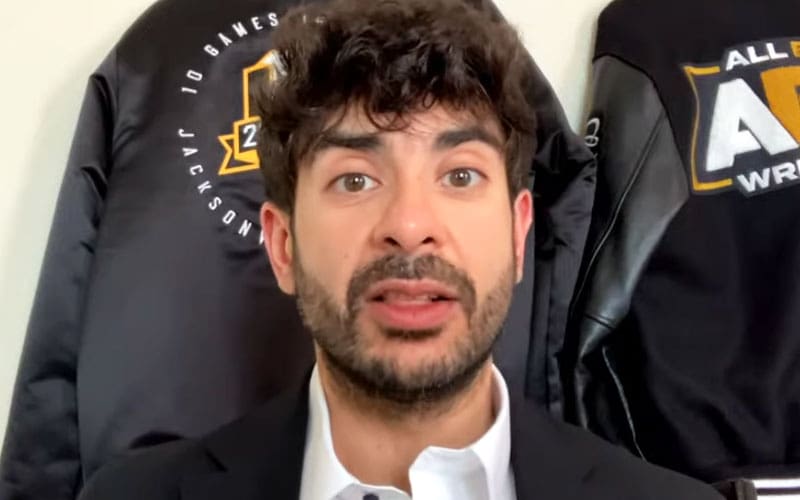
All Elite Wrestling continues to navigate a complex medical period as several high-profile performers remain sidelined. While Tony Khan recently addressed fan frustrations regarding the absence of certain stars, the underlying reality involves a string of physical setbacks that have forced major adjustments to the weekly programming script.
Injury management in professional wrestling requires a precise balance between recovery and creative necessity. Unlike previous eras defined by the grind of the house show circuit, the current roster must cope with the high-impact style synonymous with the promotion. This physical reality often manifests in prolonged absences, complicating long-term storytelling arcs and title defenses.
Missing stars and strategic gaps
The absence of top-tier talent creates a vacuum that rarely goes unnoticed, especially during the build toward television milestones. Tony Khan has publicly confirmed that talent utilization is frequently dictated by health status rather than creative whim. For the casual viewer, these missing names often read as booking oversights, but the reality is frequently rooted in rehabilitative timelines.
Managing depth under these conditions is a significant challenge. When a main event talent suffers a mid-card injury, the ripple effect forces mid-card performers to elevate their output faster than initially planned. This puts a strain on the secondary talent pool, creating inconsistent segments and questionable booking decisions that audiences are quick to criticize. The lack of a consistent presence for marquee matches frequently undermines the momentum built during previous cycles.
The history of professional wrestling attrition
Roster depletion is a recurring theme in modern wrestling. Historical analogues exist, such as the period following the 2002 Brand Extension, where injury clusters forced massive personnel shifts. The current AEW situation mirrors these previous eras where reliance on a core group of high-flyers increases the mathematical probability of ligament damage, specifically regarding knees and shoulders.
Medical professionals within the industry often note that the shift toward frequent high-risk maneuvers creates a shorter shelf life for traditional workers. While fans appreciate the spectacle of high-intensity spots, the risk versus reward calculation remains skewed. A single missed landing at AEW programming cycles can derail a calendar year of planned storylines.
Strategic implications for the Road to Double or Nothing
With WrestleMania 41 looming for industry competitors on April 19-20, all eyes turn toward the upcoming AEW Double or Nothing event on May 24. The promotion must resolve its current medical bottlenecks to ensure the card carries sufficient drawing power. The current reliance on a smaller core group to carry main event segments is unsustainable if the injury reports continue to grow.
Critics point to the lack of clear, public-facing progress on major returns as a point of frustration. While internal medical teams prioritize privacy, the opacity leads to widespread speculation regarding return windows. This creates a disconnect between the promotion and a fanbase that expects transparency in the age of digital updates and instant feedback loops.
The current scheduling pressures do not allow for significant recuperation periods. With the summer months approaching, including the build toward high-profile international dates, the pressure on the medical staff is mounting. If these stars fail to materialize within the next thirty days, the promotional strategy for May will require a total pivot. Creative teams often find themselves rewriting segments hours before airtime to compensate for sudden physical setbacks, leading to the disjointed television narratives that occasionally plague Dynamite.