The free agent bottleneck
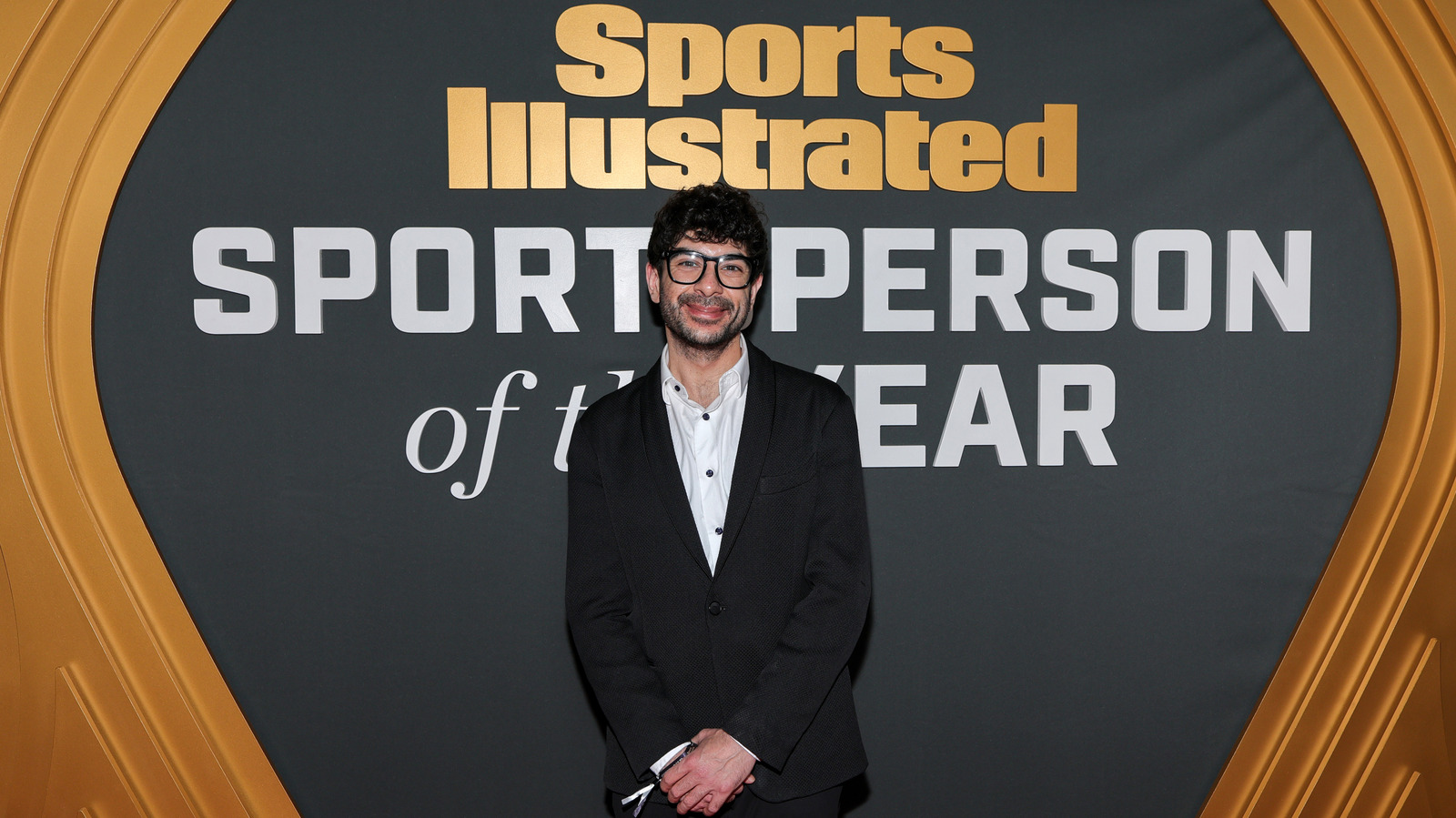
AEW is currently drowning in its own depth. Tony Khan recently spoke to the media regarding the influx of talent hitting the market following non-compete clauses expiring, but the math does not favor more acquisitions. The promotion is already juggling a roster that leaves major stars sitting in catering for months at a time.
Reports indicate that AEW has reached a saturation point where adding high-profile veterans serves little purpose without a corresponding exit strategy. When you have top-tier performers missing television time, the justification for burning through a budget to sign ex-WWE names becomes increasingly difficult to defend to investors and fans alike.
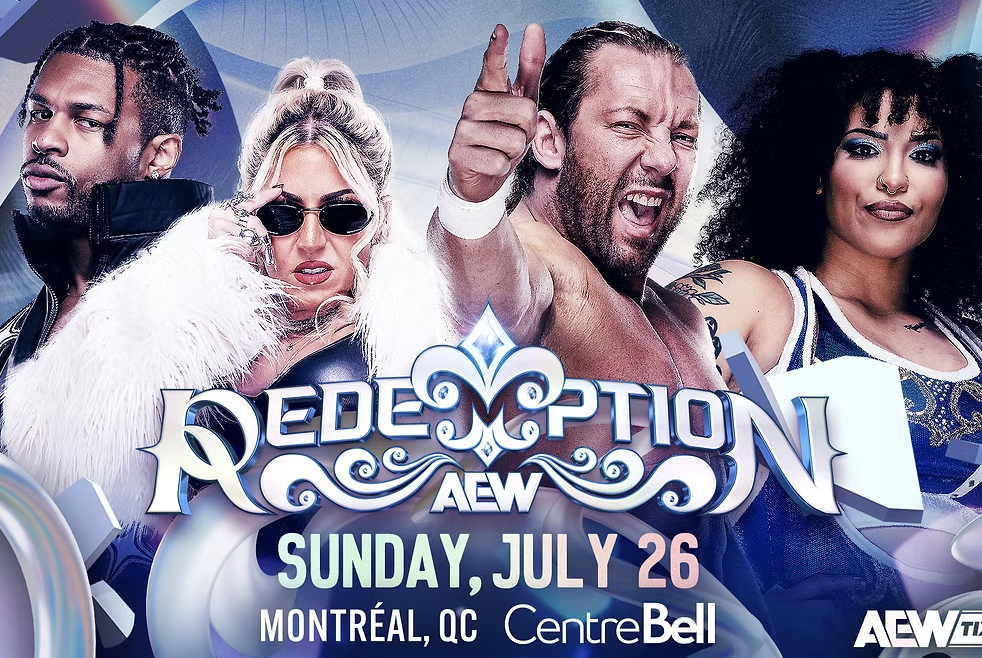
The mysterious absence of Swerve Strickland
The most glaring example of this overcrowding is the status of Swerve Strickland. As recent reports confirm, the former World Champion has been completely absent from AEW programming. When a talent of his caliber disappears from the screen, it signals a deeper issue with how the creative team prioritizes its top-end distribution.
Strickland’s absence creates a void that cannot be filled by simply bringing in another free agent. Replacing a main event anchor with a new shiny toy ignores the reason the viewers tuned in during his reign. If the company cannot find a path for its established champions, the talent rotation is effectively broken.
Scorpio Sky enters the final countdown
Further complicating the salary sheet, Scorpio Sky is nearing the end of his current agreement. Given his current role in SkyFlight, he represents a mid-card stable worker who has struggled to maintain consistent momentum in an increasingly crowded division. The reality is that Sky is likely the first of several veterans who will not be receiving renewal offers.
According to his recent interviews, Sky is well aware of his situation. His exit would clear space, but it also highlights the lack of long-term planning for wrestlers who were once pushed as pillars of the organization. If the company lets these contracts expire without a transition plan, the roster depth starts to feel less like a strength and more like a revolving door of mismanaged assets.
Creative drift and roster mismanagement
The biggest pitfall for Tony Khan right now is the tendency to reset the board with new signings rather than fixing existing character arcs. Bringing in a fresh face to address a ratings dip is a short-term patch that sacrifices long-term narrative coherence. It creates a ceiling for younger talent who see their spots occupied by veterans on nine-figure deals.
This reliance on free agent arrivals also invites complacency in the writing room. If you can always swap out a struggling character for a new arrival, the impetus to craft compelling stories for the current roster fades. This is a repeatable cycle that leads to stale booking and fans losing their emotional tether to the program.
Probability and outlook
The probability of further high-profile signings before the end of the year is low. While Khan has historically been aggressive in the market, the public cooling of his rhetoric regarding free agents suggests a shift in operational focus. The company has moved into a consolidation phase where talent retention and efficiency now outweigh raw headcount.
The expected timeline for this shift in strategy is immediate. Expect to see further contract quiet periods and a refusal to match market rates for incoming talent. If this pivot fails, we are likely looking at a stagnant product that relies on nostalgia rather than the innovative booking that built the brand in 2019.
If the roster does not thin out, the primary casualty will be the mid-card quality. You cannot run a three-hour weekly production if a third of your wrestlers are stuck in a cycle of dark matches and social media call-outs. AEW needs to prove it can build stars from within rather than just curating the current market supply.