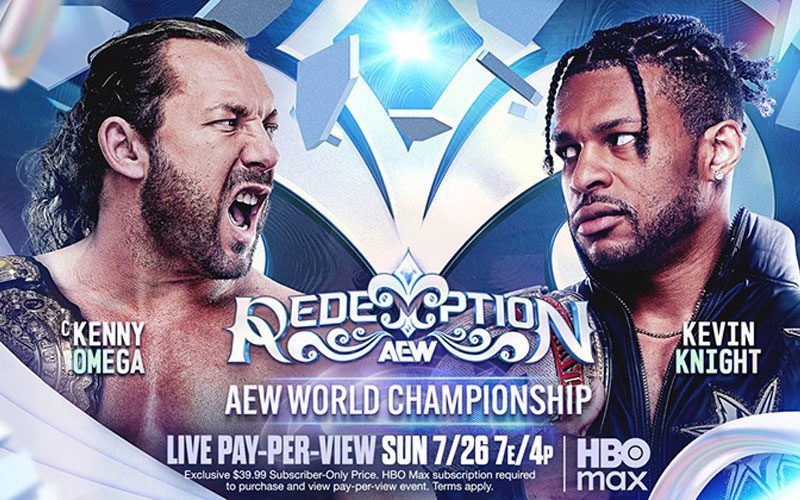
The inaugural hurdle for Tony Khan
AEW Redemption serves as the promotion's latest attempt to stabilize its quarterly output. We have seen periods of high-intensity wrestling overshadowed by inconsistent narrative threads, and this card needs to justify the pay-per-view price point immediately.
The build-up has leaned heavily on established rivalries rather than fresh challenger dynamics. While the in-ring output remains high, the absence of long-term story progression in the mid-card creates a repetitive feel. If the booking continues to rely on momentum-based matches over coherent character trajectories, the novelty of these events will fade.
Tactical analysis of the main event
The primary concern at Redemption is the reliance on signature move sequences rather than psychological storytelling. Matches in recent months have often spiraled into excessive finishing maneuver trades after the 15-minute mark. To elevate the main event, the pacing must remain deliberate.
We need to see active selling that dictates the later phases of the bout. A reliance on the 'kick-out culture' that plagued recent television shows would be a strategic error. Fans are discerning, and they track the evolution of a match via the logic applied to the limb work and the exhaustion levels of the competitors.
The undercard and the pacing problem
A recurring issue throughout this fiscal year is the lack of breathing room between high-impact contests. When three fast-paced matches occur sequentially, the audience response naturally plateaus. The placement of the tag team title defense will be the key indicator of whether the show structure has been refined.
If the promotion continues to prioritize spectacle over narrative pacing, the mid-show slump will become a permanent fixture of these broadcasts. The talent is present, but the organizational discipline regarding the flow of a three-hour card is where the real work remains. Expecting a sudden shift in this approach is optimistic.
Prediction for the top of the card
I predict a clean finish in the main event to avoid the over-booked chaotic endings that have become a trademark of recent television episodes. The victor will carry the momentum, but the success of the night hinges on whether the segments between the opening bell and the main event feel consequential. If the show follows the trend established in earlier quarterly events, we will likely see a 7.5/10 rating in terms of match quality, but the long-term booking impact will likely be minimal.
This is a make-or-break moment for narrative continuity. If the finish of the final bout fails to spark a clear path for the champion toward the next major event, the booking team has failed its primary objective. I expect a clinical victory here, ending under the 22-minute mark.