The shadow of Minneapolis looms large
As we approach mid-summer, the buzz around SummerSlam 2026 feels strangely disconnected from the actual in-ring products. While reports regarding the US Bank Stadium roof have settled, ensuring the event will proceed without structural complications, the real pressure lies on the creative output. Managing the trajectory of a roster this deep requires more than just high-profile names.
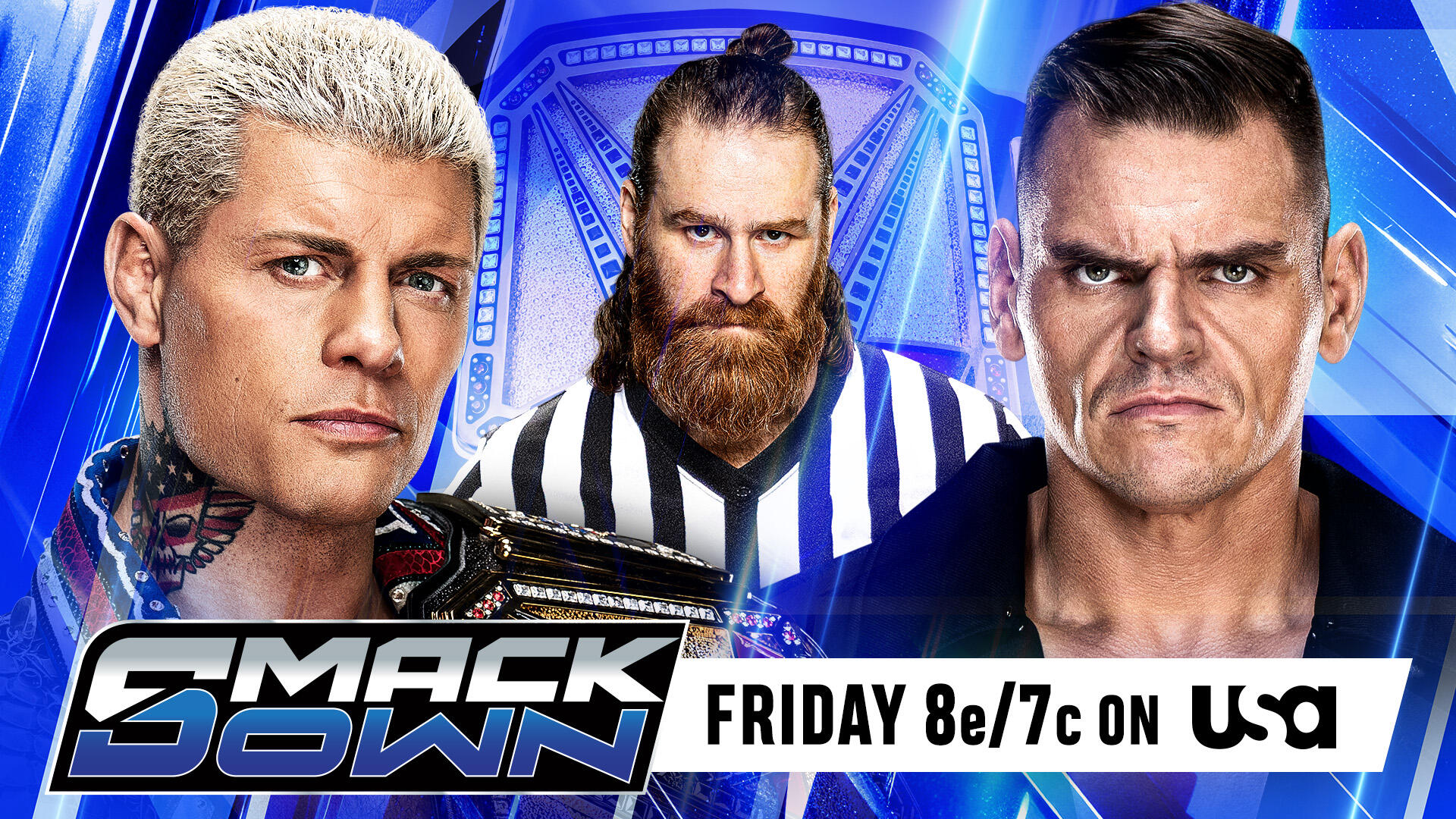
Cody Rhodes enters this cycle carrying the heaviest weight in the business. As the Undisputed WWE Champion, he stands atop Friday Night SmackDown, but the reliance on his momentum has become a double-edged sword. We are seeing a pattern where challengers cycle in without a clear evolution in narrative depth.
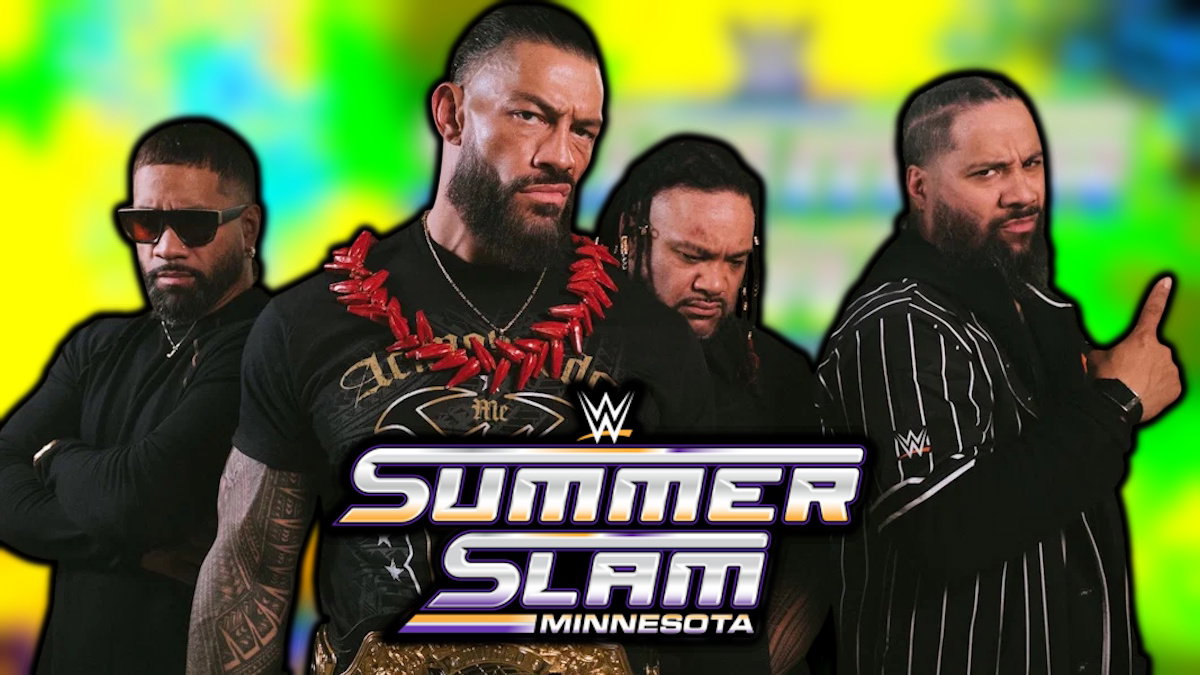
The Bloodline remains the center of gravity
Despite various roster shifts following the spring, The Bloodline continues to dictate the pace of both Raw and SmackDown. Their influence is undeniable, but it highlights a concerning lack of genuine alternatives at the top of the card. When one group consumes both shows, the mid-card talent often loses the breathing room required to build organic heat.
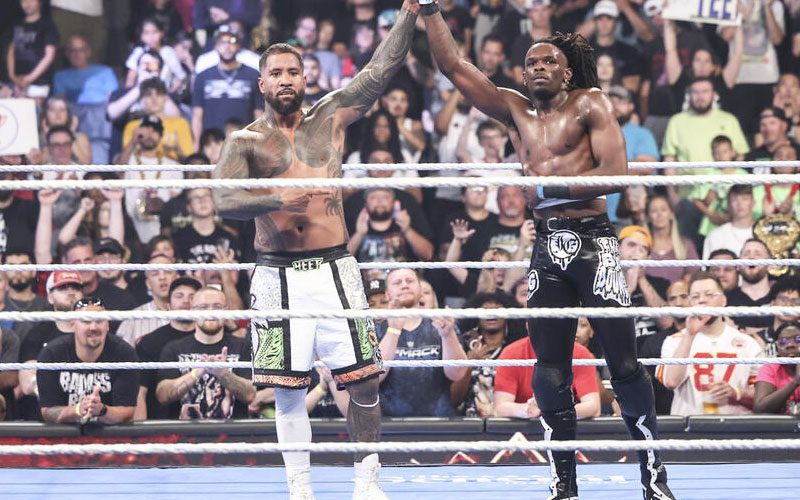
Case in point: the United States Championship picture. Trick Williams captured the gold at WrestleMania 42 night two in a grueling encounter against Sami Zayn, yet his path to Minneapolis feels murky. The creative team has struggled to provide him with a legitimate foil who elevates the belt rather than just occupying a slot on the show.
Missing the mark on mid-card development
If we look closely at the booking of the Secondary Championships, there is a lack of sustained stakes. Winning a title is only half the battle; the subsequent defense cycle must prove the investment was worth the airtime. Too many segments feel like placeholders rather than accelerants for long-term rivalries.
The current landscape creates a massive gap between the A-story and the rest of the undercard. Without mid-card feuds providing consistent, high-intensity matches, the reliance on main event draws becomes dangerous. If the headline matches fail to deliver in Minneapolis, there is very little buffer in the secondary matches to save the card.
The looming reality check
Looking at the data from the last three months, the time allotted to non-Bloodline storylines has effectively shrunk. This is a strategic error. Fans know when they are watching filler, and if the road to SummerSlam persists with this narrow focus, the ceiling for this event will be lower than the capacity of the stadium.
The company needs to empower the secondary champions to carry their own hour of television. Relying on championship challengers who have already lost momentum is lazy booking. We need to see distinct personalities clashing—not just two binary archetypes hitting their signatures in sequence.
My prediction for the summer push
I anticipate that WWE will consolidate their biggest stars into a 3-hour main event cluster to hide the lack of depth elsewhere on the ticket. Expect Cody Rhodes to retain in a match that reaches the 25-minute mark, likely involving significant outside interference to prolong the current status quo until the fall.
My advice? Temper your expectations for a major narrative overhaul. The booking is clearly trending toward stability over risk-taking. While the atmosphere in Minneapolis will be electric, the actual matches—outside of the title bout—may struggle to break the 4-star barrier unless the creative team pivots toward more logical, character-driven storytelling.