The ghosts of Madison Square Garden
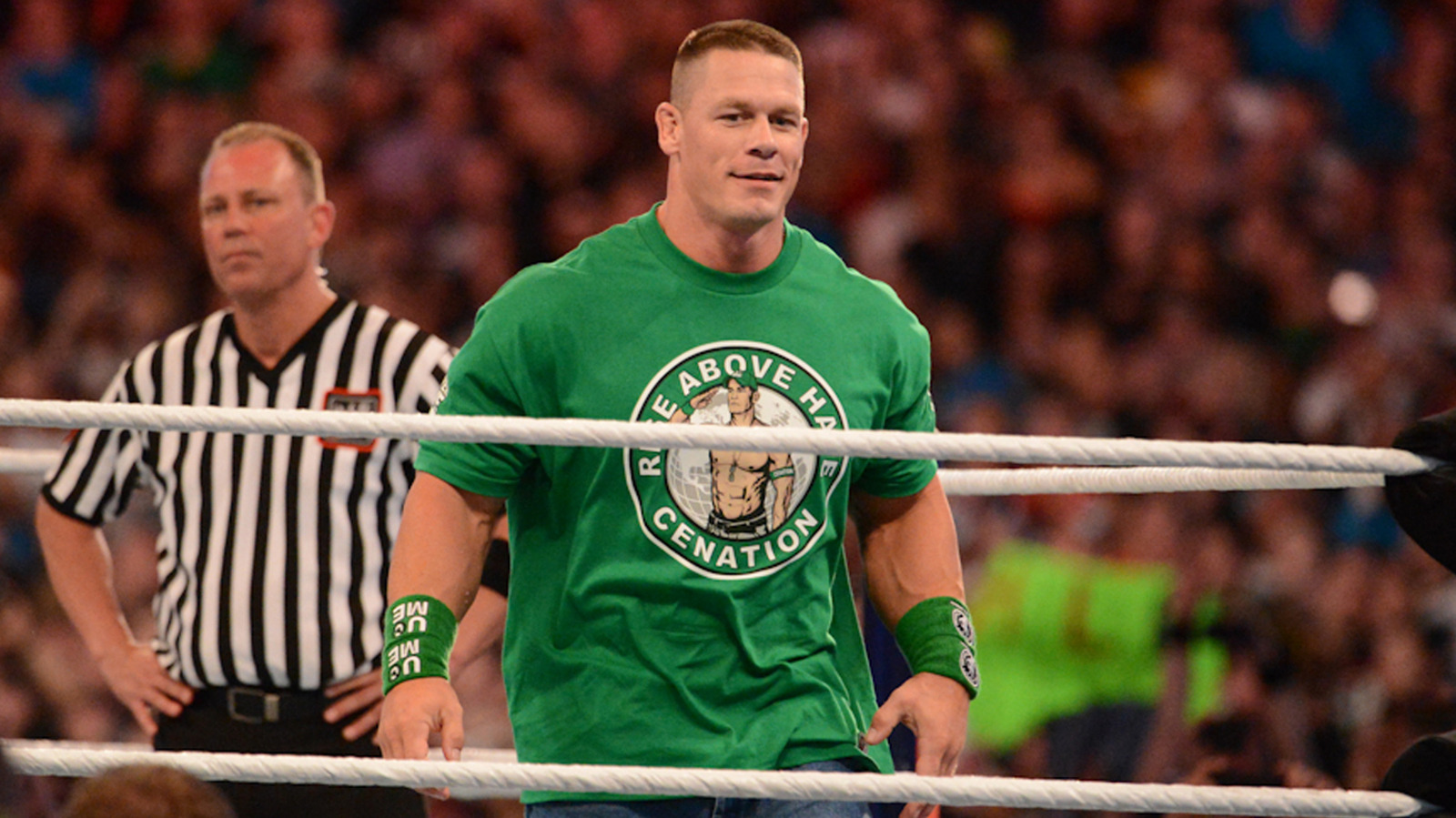
We are exactly nine days away from WrestleMania 41. Allegiant Stadium is currently being wired for the biggest spectacle in sports entertainment history. John Cena is preparing his body for a grueling farewell tour. Cody Rhodes is plotting a massive title defense on Night 2. It is a highly sanitized, publicly traded era of professional wrestling.
But the ghosts of the wild west always find a way to bleed through the corporate gloss.
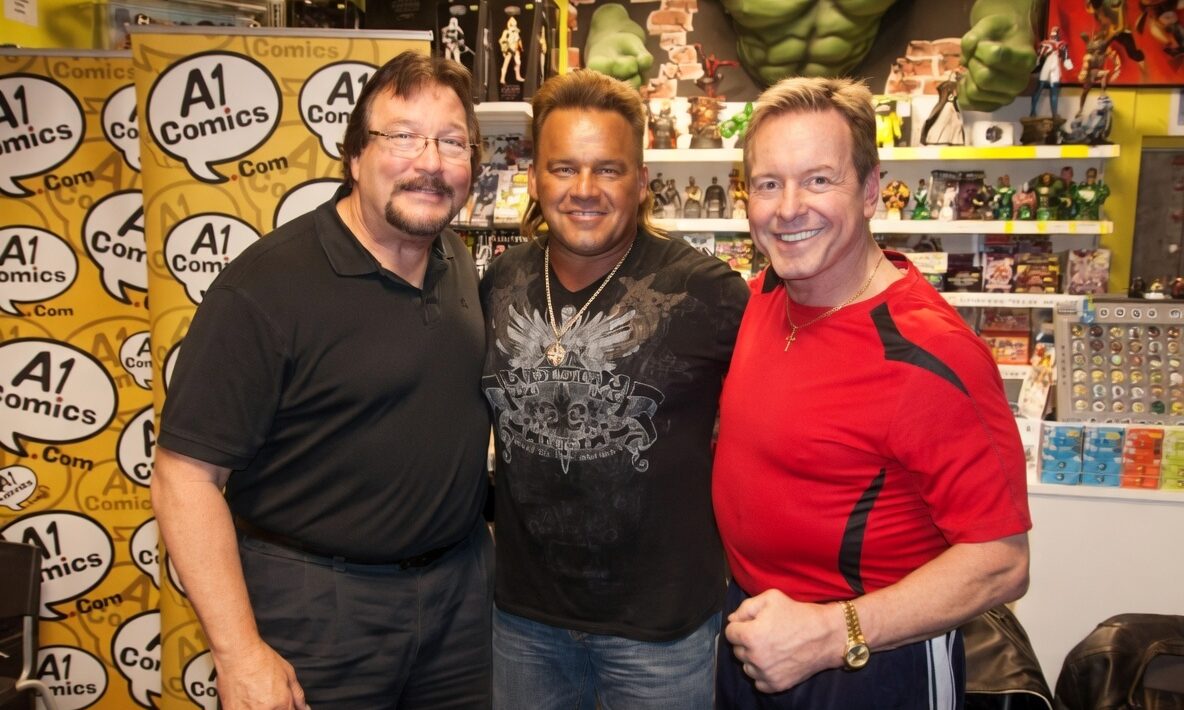
Ted DiBiase recently reminded us of the heavy toll this business extracts. Speaking on his podcast, the Hall of Famer reflected on the loss of "Rowdy" Roddy Piper. The quotes were caught and aggregated by WrestlingNews.co earlier this week. DiBiase’s words were heavy. They carried the weight of a survivor looking back at a fallen peer.
He described Piper's passing as "such a shock." He then offered a chilling, simplified summary of the end. Piper, according to DiBiase, "checked into a hotel, went to bed, and never woke up."
The danger of wrestling romance
DiBiase explicitly called the death a "mystery."
This is where the romance of the wrestling business clashes violently with reality. It is a frustrating, almost willful ignorance that plagues the veterans of the 1980s. Piper's death in August 2015 was not a mystery. The medical examiner confirmed he died from cardiopulmonary arrest caused by hypertension and a pulmonary embolism. He was 61 years old.
When you spend three decades taking flat-back bumps on wooden boards, your heart pays the invoice. Piper wrestled Greg Valentine in a brutal Dog Collar match at Starrcade '83. He took stiff steel chain shots directly to the skull. He lost a massive percentage of his hearing in his left ear that night. He lived on the road, driving four hundred miles a night on a diet of black coffee, adrenaline, and whatever painkillers were available in the locker room.
Calling his fatal heart failure a mystery is a psychological defense mechanism. The boys from that era simply refuse to acknowledge that their chosen profession is a physical meat grinder. It is easier to blame the unknown than to admit the ring killed your friend. The industry has a terrible habit of romanticizing its casualties. We ignore the hypertension and focus on the legacy.
A legendary collision in New York
But DiBiase’s reflection wasn't just about the tragic end. It was about the beginning. He recalled a specific, historic night in New York City. It was the night he first crossed paths with Piper.
The setting was Madison Square Garden. The year was 1979. DiBiase was a highly respected worker. He was trusted by Vince McMahon Sr. to make anybody look like a killer. His assignment that cold December night was a massive, relatively green rookie from Venice Beach named Terry Bollea. The world would soon know him as Hulk Hogan.
DiBiase did his job perfectly. He bumped all over the stiff canvas for the big man. He fed into Hogan’s sloppy power offense, making it look devastating. Finally, Hogan locked in a brutal bearhug. DiBiase sold it like his ribs were turning to dust. The referee called for the bell. Hogan looked like an unstoppable monster, entirely because DiBiase knew exactly how to frame him.
Walking back through the curtain, covered in sweat and nursing bruised ribs, DiBiase met Piper. It is a fascinating historical footnote. Two of the greatest villains in the history of the industry, crossing paths while the WWF was still a gritty regional territory.
The lost art of the antagonist
They were total opposites in the ring. DiBiase was a master technician. He threw crisp suplexes and moved with mathematical precision. His later run in Mid-South Wrestling, utilizing the loaded black glove, was a masterclass in in-ring psychology.
Piper was pure chaos. He brawled. He bled. He talked with a frantic, unhinged energy that made fans want to jump the guardrail and physically attack him. He didn't care about wristlocks or arm drags. He cared about violence and crowd manipulation.
Today's antagonists wink at the camera. They want you to admire their work rate and buy their merchandise. They want to be cool. Piper wanted you to hate his guts. DiBiase wanted to humiliate you by kicking a basketball away from a child. They committed to the bit entirely. That dedication to kayfabe meant living the gimmick at the airport, at the bar, and in the hotel. It fueled the paranoia and the physical breakdown that defined their generation.
Together, they would go on to anchor the national expansion of the World Wrestling Federation. You do not get the massive stadium gates of the late 80s without the Million Dollar Man buying the WWE Championship from Andre the Giant. You do not get WrestleMania I without Piper antagonizing Mr. T and Cyndi Lauper on MTV. They were the essential antagonists. They made the heroes matter.
The price of modern safety
Look at the roster heading into Vegas next week. Roman Reigns operates with a carefully managed schedule. CM Punk’s return is heavily monitored by an army of medical staff. The modern wrestler has physical therapists, guaranteed downside contracts, and strict concussion protocols.
Piper and DiBiase had none of that. They had athletic tape, aspirin, and the unyielding pressure to make the next town. They built the financial foundation that allows today's stars to fly private. They paid for it with their knees, their backs, and their central nervous systems.
DiBiase is 70 years old now. He gets to sit behind a microphone and tell the stories. He gets to preserve the memory of a guy like Piper, even if he filters it through the protective lens of nostalgia. We consume these podcast clips as quick hits of entertainment. But they are oral histories of a brutal, beautiful era.
The contrast between 1979 MSG and 2026 Allegiant Stadium is staggering. Back then, you put a guy over in a bearhug and hoped the promoter remembered to hand you an envelope of cash. Next week, men and women will walk down a massive LED ramp for millions of dollars in guaranteed corporate money.
The Vegas prediction
When you watch the pomp and circumstance of the upcoming premium live event, look closely at the screen. The production value is incredible. The fireworks will light up the Nevada sky. But the dirt underneath that ring was packed down by guys like Roddy Piper.
"Piper checked into a hotel, went to bed, and never woke up."
As we speed toward the biggest weekend of the year, the industry must reckon with this past. We cannot just celebrate the vintage footage on Peacock without acknowledging the physical debt those men incurred. The "mystery" of Piper's death is simply the tragedy of a generation that worked too hard for too long with absolutely no safety net.
I will leave you with a prediction for next weekend. John Cena will have his emotional farewell, and the stadium will shake. Cody Rhodes will successfully defend the WWE Championship on Sunday night, surviving a chaotic main event against whatever the Bloodline throws at him.
But the most important moments won't be the finishes. The most important moments will be the silent acknowledgments of the price of admission. The current generation will put on a technical classic, but they will do it safely. And that safety is the true, lasting legacy of the tragedies of Piper's era. The match will deliver, but the ghosts will be watching.
Read Next
- Roddy Piper was the only person who could have made Hulk Hogan a star
- WWE’s WrestleMania 41 injury crisis is looking real messy
- Ted DiBiase just reminded us why Sensational Sherri was the toughest person in the room
- Roman and Brock returning to Raw has the timeline in shambles
- 🏆 WrestleMania 41 — Full Coverage Hub