The mounting toll of the TNA Knockouts division
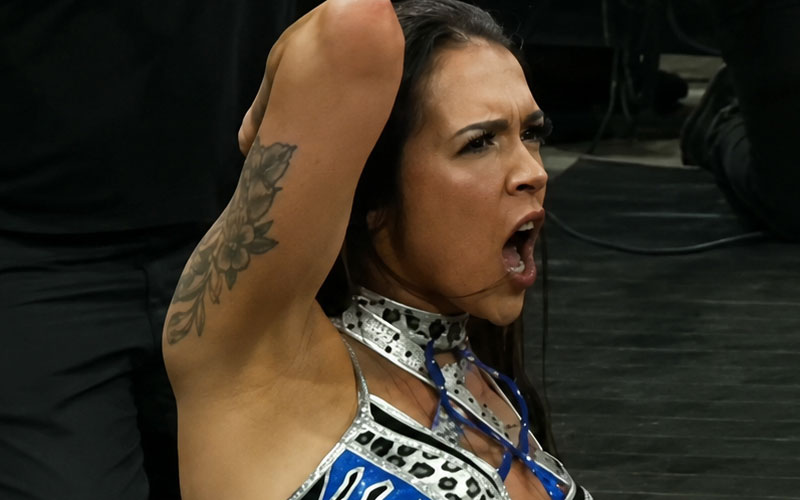
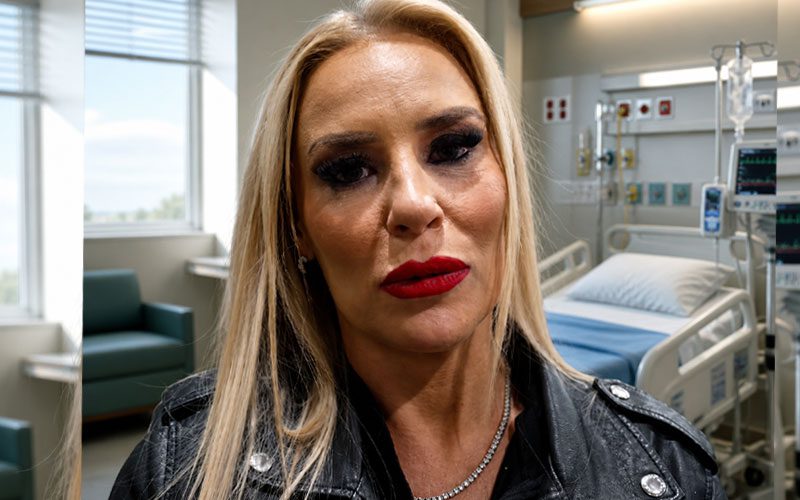
Ash By Elegance, formerly known as Dana Brooke in WWE, confirmed this Friday she is undergoing surgery. The TNA performer disclosed the necessity of the procedure following what she described as an ongoing health battle. The announcement leaves a vacancy in the active roster of the Knockouts division, a group currently navigating a high-intensity schedule.
This medical intervention marks a difficult pivot for the veteran wrestler. Since her departure from Connecticut, she has committed to re-establishing her identity as a primary antagonist within TNA. Sustaining an injury of this magnitude mid-push is a frustrating reality of a industry that demands total physical output from its performers.
The procedural implications for TNA
While the specific nature of the injury remains undisclosed, the timeline following such surgery typically requires significant rehabilitation. TNA management must now adjust booking creative, likely removing her from upcoming tapings. This ripple effect forces the company to pivot away from planned angles, which can inadvertently cool off momentum that took months to cultivate.
Industry observers should recall that injuries in professional wrestling rarely affect individuals in a vacuum. When a talent like Ash By Elegance is forced to step away, lower-card wrestlers often see their minutes reduced to account for shifted program time. It is a recurring issue where the loss of one focal point impacts the screen time of the entire mid-card.
Historical context and recovery realities
Athletes frequently return from elective or necessary surgeries stronger, yet the unpredictability of post-operative recovery is a constant variable. We have seen previous TNA talents bounce back from similar breaks, but the shelf-life of a character-heavy performer is finite. Any extended absence risks losing the attention of a fan base that moves quickly toward new performers.
The company maintains a light broadcast footprint compared to global competitors, which makes the loss of screen time for a established character more painful. If the surgery requires a long-term recovery, the creative team will need to decide whether to repackage her return or move on entirely. There is a clear danger in keeping a performer off television for too long without an active program update.
A critical look at current booking
Whether this was a lingering injury exacerbated by in-ring work or a sudden event, the reality of the situation is bleak for her momentum. As Wrestling Inc reports, the announcement arrived on Friday, providing little warning for the writing team. This highlights the vulnerability of rosters that lack depth in their heel divisions.
Critics of current booking trends point to the lack of specialized performance centers that emphasize longevity over gimmick work. Relying on veterans to carry the physical load often leads to these exact types of interruptions. TNA faces a tough decision regarding how to maintain the tension in their current storylines without one of their primary antagonists on site. The industry standard recovery time for structural surgery usually exceeds **6 to 9 months**, making any current estimates optimistic at best.
As F4WOnline noted, the timing brings a sudden conclusion to her present activity. Whether this results in a simplified return or a complete departure from the circuit remains the central question for fans watching the weekly broadcasts. For now, the focus shifts to internal medical clearance and whether the company opts to keep her presence felt through promo segments or digital content.