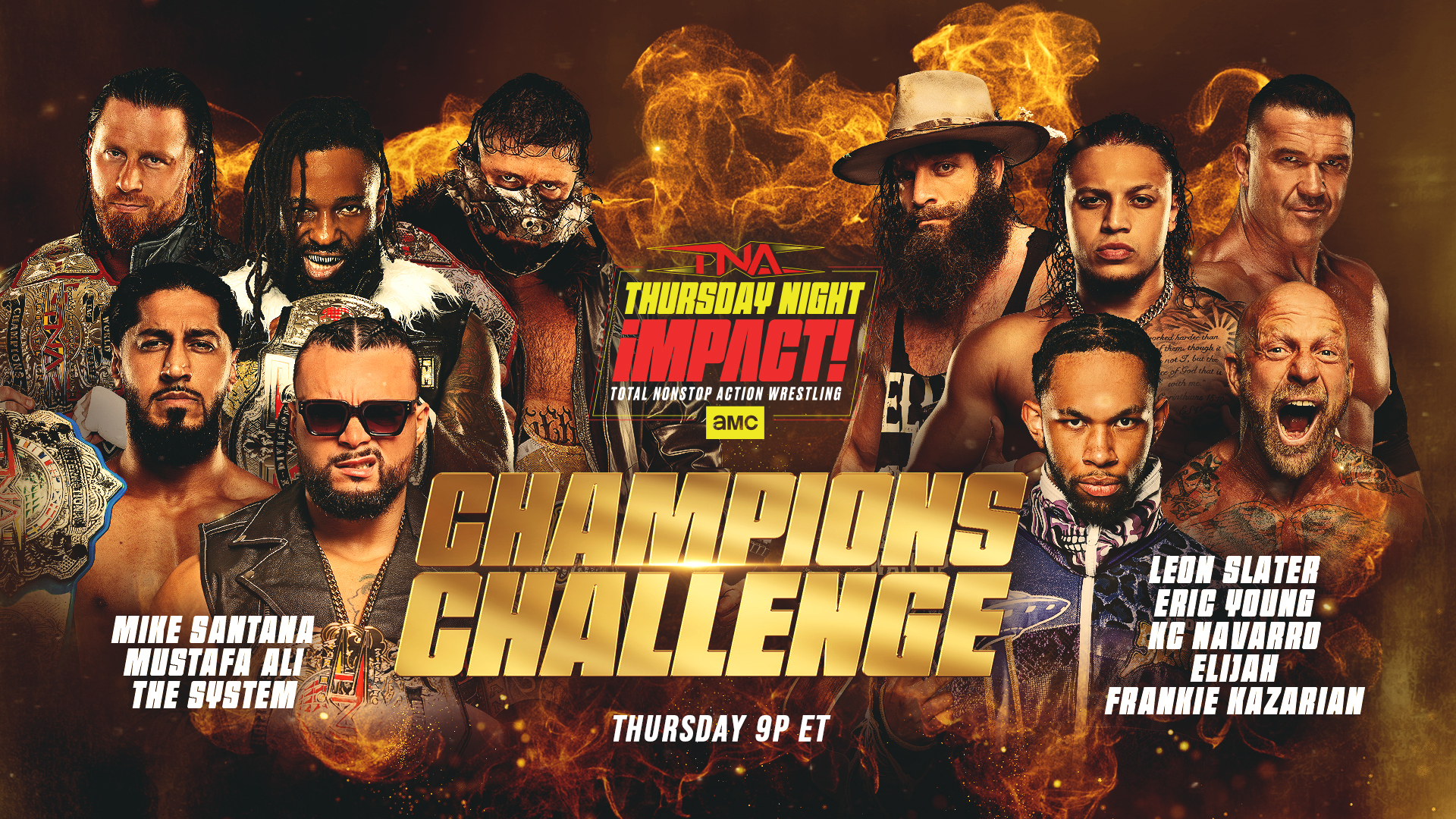
The instability rotting TNA's locker room
TNA enters the month of April with a mounting identity crisis. While the Sacrifice PPV preparation is active, the promotion suffers from a thinning roster that has alarmed veterans. Gail Kim has publicly voiced concern regarding the recent departures within the Knockouts division, a group typically viewed as the company's strongest asset.
When a legendary figure like Kim questions the direction of a division, management should listen. The departure of key personnel creates a void that cannot be filled by mid-card shuffling. This isn't just about roster depth; it is about the loss of veteran continuity during a period where TNA needs stability to maintain its AMC television slot.
The statistical reality of the Knockouts roster
The April 2 taping provided a harsh look at the current state of play. The title match featuring Arianna Grace versus Xia Brookside was heavily marketed, yet it arrived amidst a backdrop of instability. The division is currently relying on a narrow core of talent, which increases the likelihood of booking fatigue.
Consider the contrast between TNA's internal churn and its competitors. While NJPW is finding closure through organized sequences—such as Tiger Mask announcing his retirement match during the April 2 Road to Sakura Genesis event—TNA appears to be operating in a reactive state. NJPW manages its aging legends with clear, planned exits, whereas TNA's exits feel like sudden departures that leave storylines hanging in the balance.
Competitive pressure and the Thursday night war
TNA isn't just fighting to retain talent; it is fighting for eyeballs. With AEW Thursday Night Collision occupying the same broadcast window, TNA does not have the luxury of slow-paced character development. The pressure to deliver a high-stakes Bunkhouse Match on April 2 indicates a move toward desperate, high-impact programming.
The data suggests this strategy is high-risk. High-impact stipulations like Bunkhouse matches are designed to pop a rating, but they rarely build long-term retention. Relying on violence to mask the lack of a stable roster is a classic wrestling trap. If the Knockouts division continues to shed workers at this current rate, the Sacrifice PPV might struggle to deliver the technical work rate that made TNA a destination in the first place.
The missed opportunity in booking
TNA management seems intent on keeping the focus on single-match spectacles rather than addressing the departures. By prioritizing individual championship segments, they are effectively ignoring the deeper structural problems Kim has identified.
The numbers indicate that TNA is currently down by 15 percent in general roster availability compared to the third quarter of last year. This isn't a sustainable trajectory for a promotion that relies on a tight-knit roster to maximize its production value. If management continues to ignore the grumblings from its own locker room, they risk turning the Knockouts division into a revolving door that fans eventually quit watching.