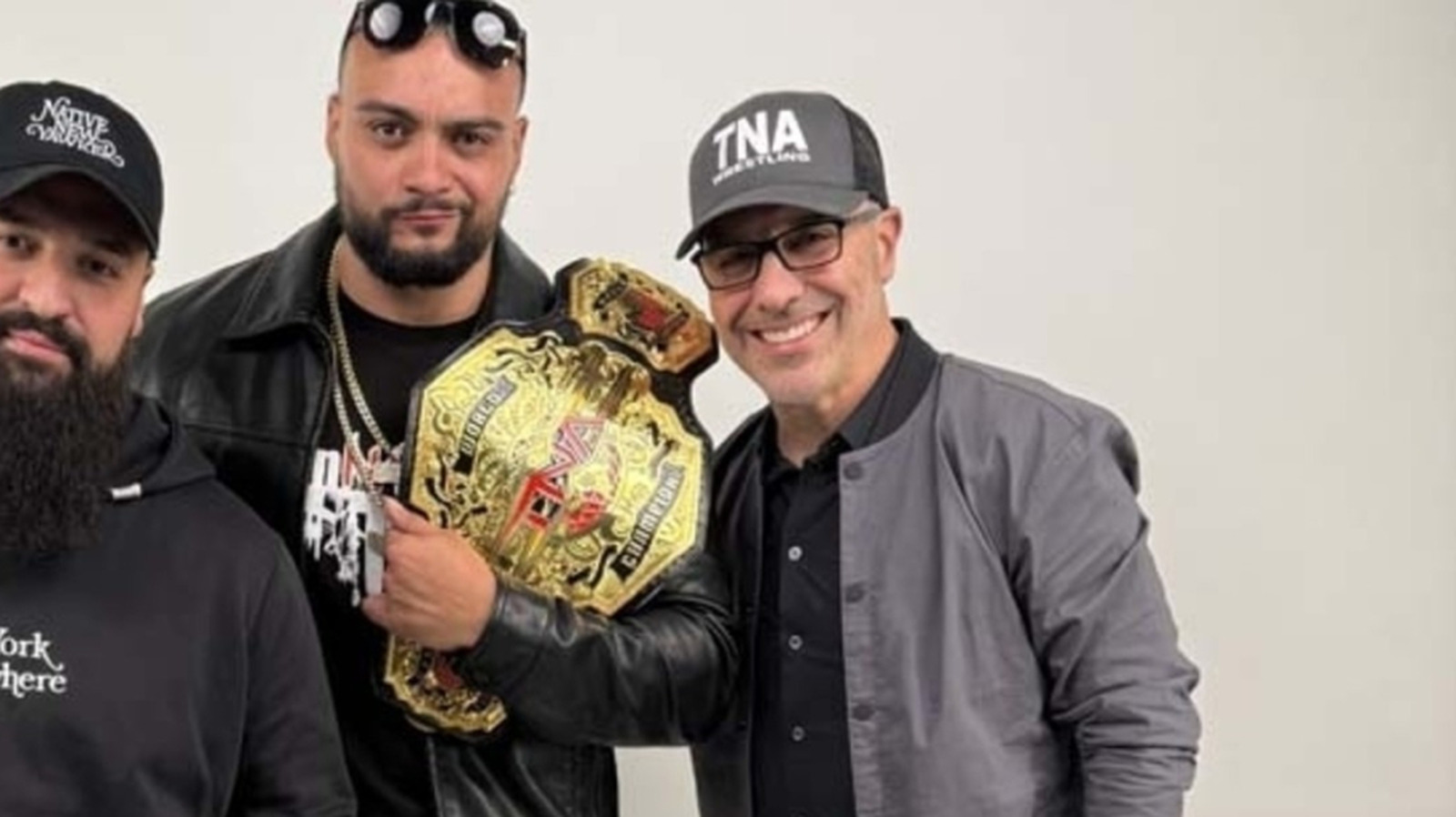
Matt Hardy is betting on TNA's relevance while the major players shift gears
The recalibration of the TNA calendar
Professional wrestling is a game of counter-programming, and few know the math better than Matt Hardy. When reports surfaced regarding the shifting date of this year's Slammiversary, Hardy was clear on the logic. Moving the card to avoid a head-to-head collision with AEW Forbidden Door is not just a tactical retreat. It is a necessary recognition of TNA’s current standing in the hierarchy compared to the global behemoths.
We are seeing an industry where visibility is harder to buy than ever. By avoiding a direct clash, TNA opts for breathing room rather than a futile ratings bloodbath. This is the mark of a promotion prioritizing its own fan retention over a pride-fueled death match that serves no one but the tribalists on social media.
The paradox of the TNA roster
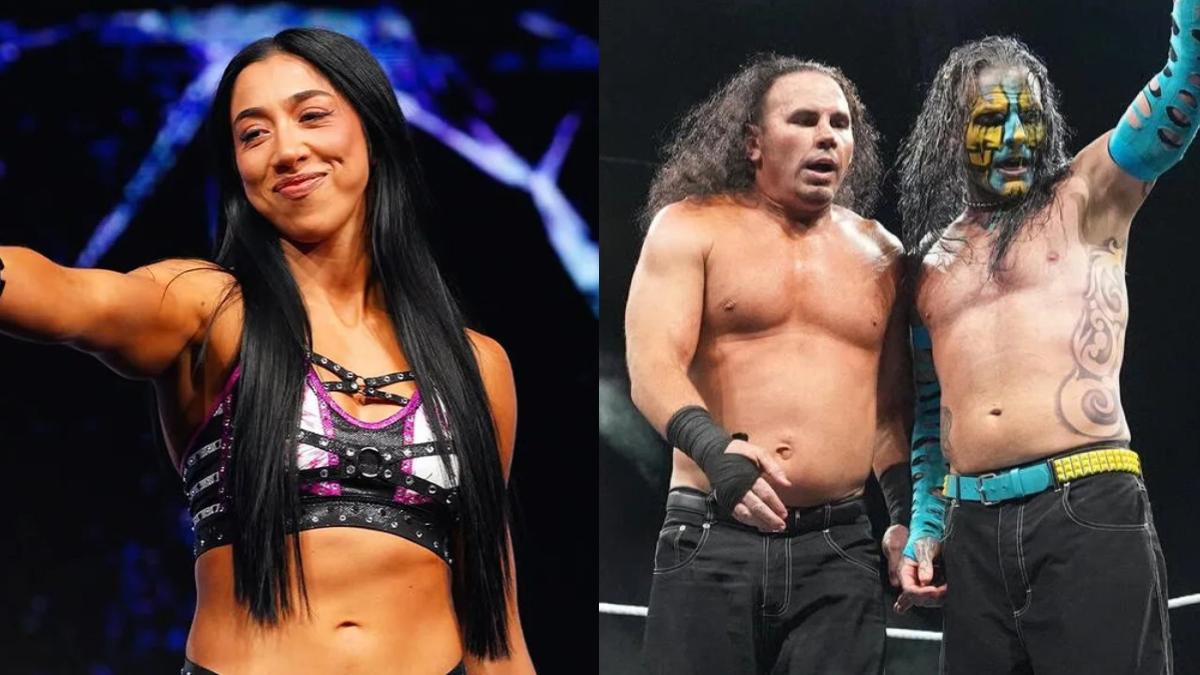
Indi Hartwell recently described her transition to TNA as a reality check, noting the surreal nature of working alongside figures like Matt and Jeff Hardy. The age gap and the accumulated ring time of her colleagues remain stark. These are performers who have been putting their bodies through the ringer since before she was born.
Yet, there is a clear tension here. While TNA acts as a landing spot for veterans, it also functions as an incubator for talent eyeing a jump to the industry leaders. Hardy has been vocal about the movement between brands, going as far as suggesting he would not be surprised to see current TNA talent make the jump to the WWE circuit. For the viewer, this creates a bizarre dynamic where the legitimacy of a TNA title run is constantly weighed against the prospect of a Raw or SmackDown debut.
Creative fatigue and the booking grind
Hardy is also grappling with the realities of long-form, multi-month feuds. His recent defense of the program against The Righteous, which has occupied airtime since December, highlights a disconnect between the locker room and the digital audience. If the wrestlers feel the story has miles left, but the fans have checked out months ago, you have a classic booking bottleneck.
The criticism isn't just about the length of the program. It is about the diminishing returns of keeping two acts locked in a cycle when the audience is craving fresh matchups. Stretching a feud for 6 months without a meaningful pivot is a recipe for apathy. Even with veterans like the Hardys involved, the law of diminishing returns applies to every angle. You can only reinvent a story so many times before it becomes a chore to consume.
The talent pipeline reality check
The industry is shrinking in terms of centralized power but expanding in terms of total volume. With the speculation regarding Mike Santana and others testing the waters, the talent market is effectively a revolving door. This leaves TNA in a precarious middle ground. They are too established to be a pure developmental school for WWE, yet too small to dictate terms to the market leaders.
This is the central flaw in the current strategy. By serving as an open channel for talent to move toward higher-paying rosters, TNA risks training stars only to act as a stepping stone. If the promotion wants to be seen as a destination rather than a waiting room, they must stop focusing so much on the past—the Hall of Fame nostalgia—and start crafting stars who aren't just looking for their next exit interview.
Ultimately, Matt Hardy remains a genius of self-promotion, but even he cannot fix a structural reality where the ceiling is firmly capped. His pivot to match up against Forbidden Door is smart, but it's fundamentally a defensive move. Real growth requires an offensive strategy that stops waiting for the other promotions to make the first move.
Becoming the Tribal Chief: The Untold Story of Roman Reigns
A deep dive into the most dominant wrestling storyline of the modern era.
Frequently Asked Questions
Why did TNA move the date of Slammiversary?
What is the primary criticism regarding TNA's long-term feuds?
How does TNA function as a talent pipeline?
What challenges does TNA face regarding its market position?
How do veteran performers impact the current TNA roster dynamic?
More Coverage
Stone Cold Steve Austin trades the squared circle for off-road glory
20 minutes ago
Big Cass is back and WWE has no idea what to do with him
20 minutes ago
Seth Rollins is running out of patience with the main event scene
24 minutes ago
Why the G1 Climax 36 represents a lost art form in modern wrestling
24 minutes ago
Seth Rollins is playing a long game that the rest of the roster can't match
24 minutes ago
Eric Bischoff's WWE tenure is still dividing the lunchroom
24 minutes agoMore Analysis
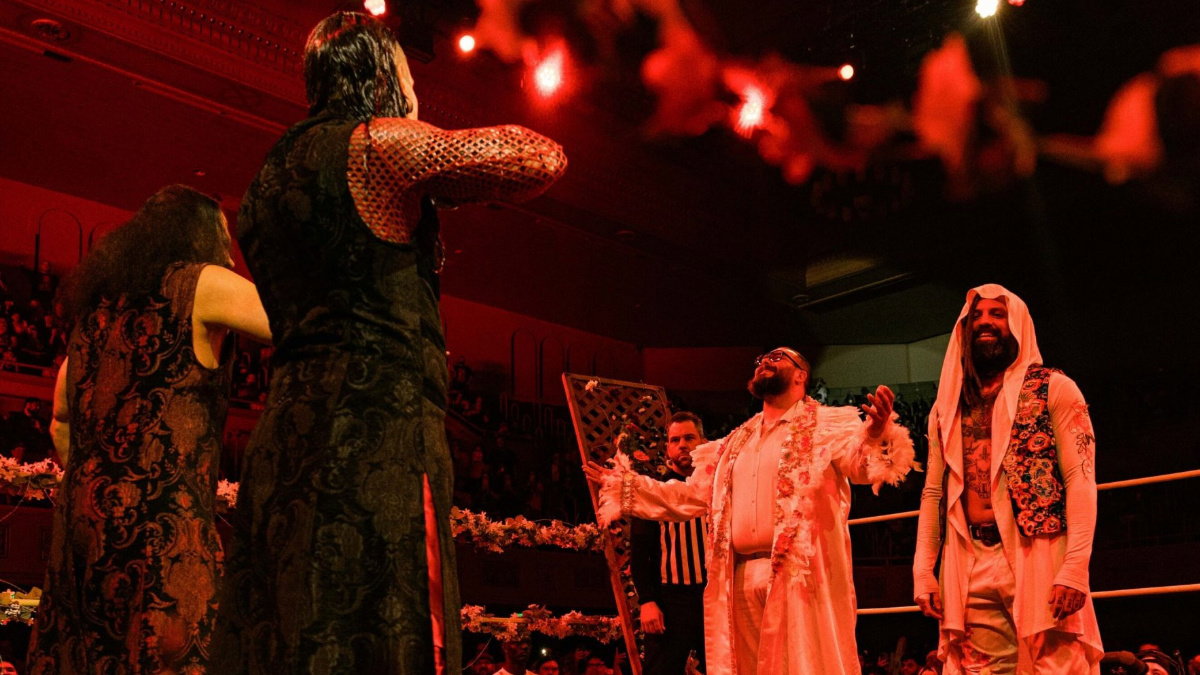
Why Matt Hardy’s TNA gamble is a desperate reach for relevancy
1 month ago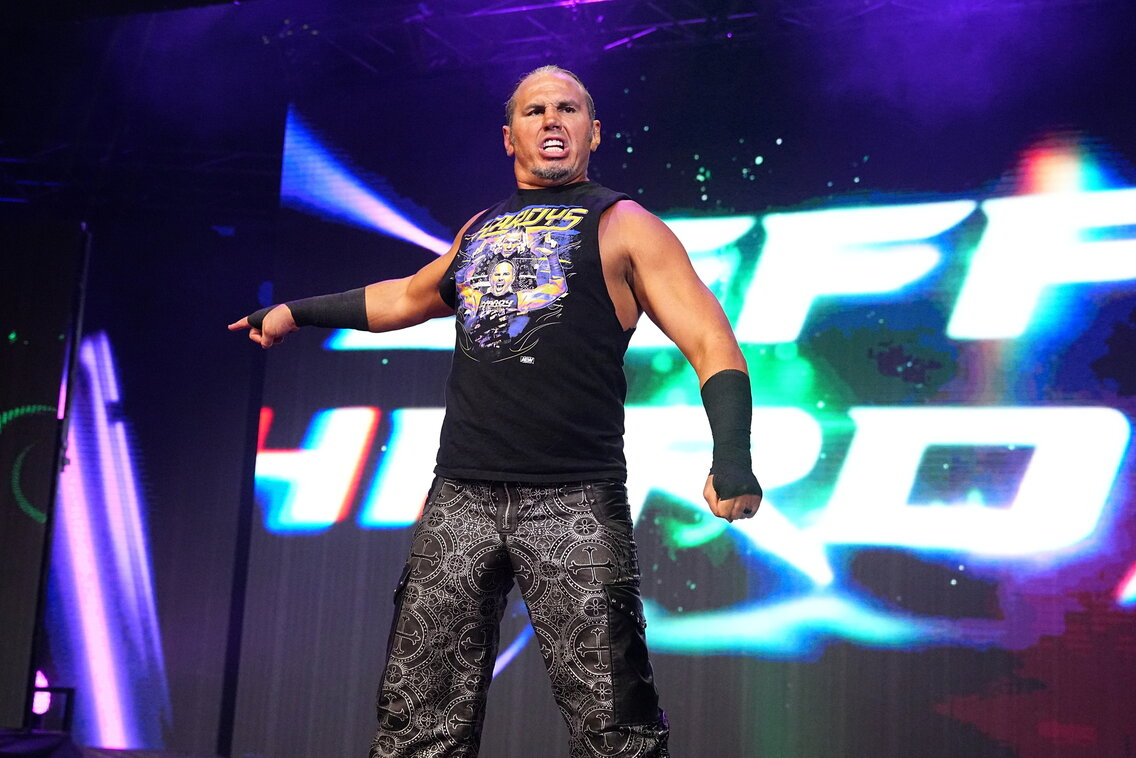
TNA is hitting the panic button with the Hardys
2 months, 3 weeks ago
Matt Hardy’s TNA homecoming is a gamble on legacy
3 months, 2 weeks ago
Matt Hardy has a massive task ahead in TNA
1 week, 2 days ago
The Hardys are finding their rhythm in TNA while the industry shifts around them
1 week, 3 days ago