TNA is in the midst of a roster purge
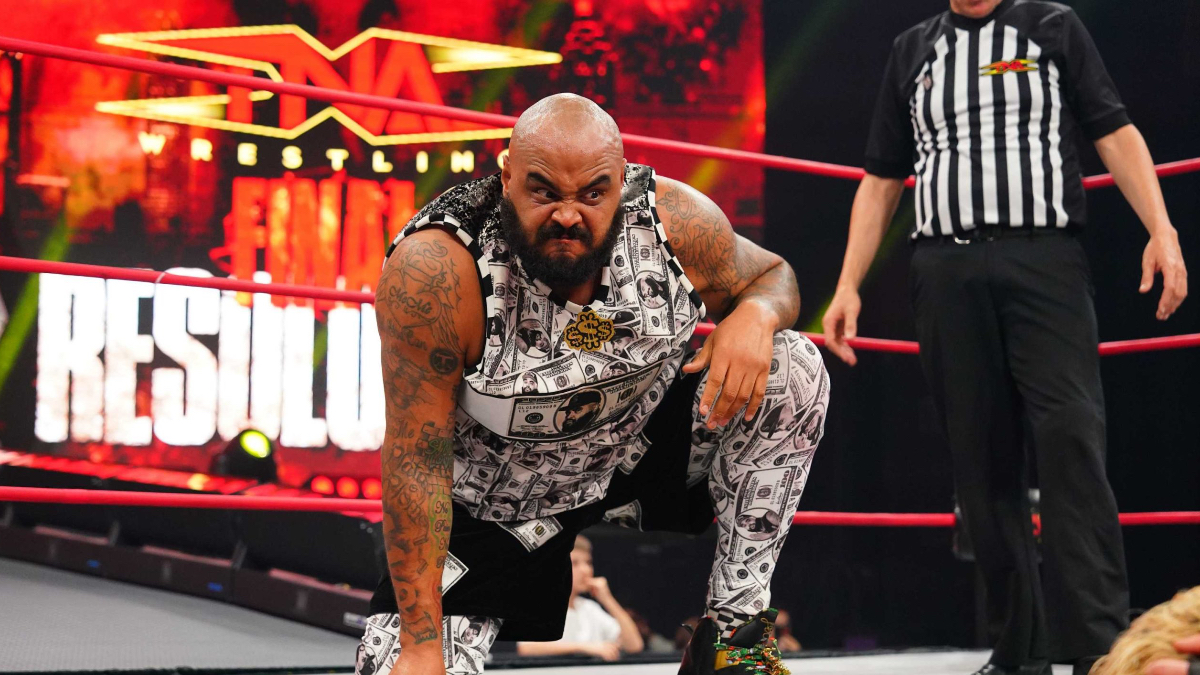
The latest cycle of releases from TNA highlights a front office in retreat. We are seeing a distinct trend where talent is being cut mid-contract, leaving the locker room in a state of high-alert uncertainty. The most recent confirmed departure involved Aiden Prince, who publicly addressed his exit on Facebook. This follows a broader pattern of personnel management that prioritizes budget contraction over long-term narrative consistency.
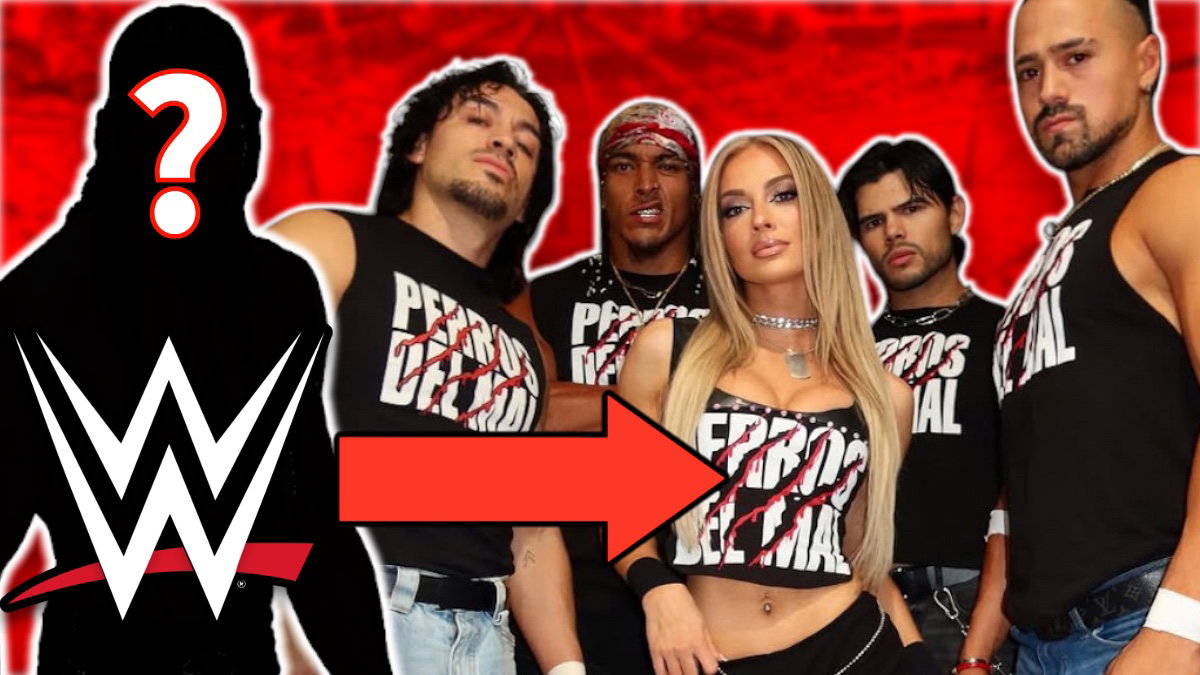
When a company moves through roster turnover at this velocity, match-ups suffer. Competitors lack the necessary build time to establish believable heat. We witnessed this instability manifest recently with the departure of Tessa Blanchard, who was midway through her tenure. While the speculative machine pushes for a WWE return, the reality is that major promotions are exercising extreme caution. As reported by Ringside News, the logic connecting her to Stamford remains purely conjecture.
The strategic vacuum left by mid-card departures
Aiden Prince represented a specific tactical role within the cruiserweight division. His technical repertoire leaned heavily on high-impact exchanges, often utilizing a flurry of strikes to transition into high-flying maneuvers. Replacing that kind of specific athleticism isn't about signing a name; it’s about spacing and timing within the ring. The current TNA booking staff now has a 15 percent void in their weekly 205-pound division rotation.
The loss of depth hits the mid-card hardest. When you pull mid-tier talent out of the booking rotation, you force the top-tier workers into extended matches that risk overexposure. We saw this in the late-May tapings where the main event loop became repetitive due to the lack of secondary threats. Predicting the outlook of the company right now is an exercise in futility, but the lack of consistent talent retention is a demonstrable structural flaw.
What to expect in the coming months
TNA management is betting on name potential rather than technical chemistry. Look at the recent acquisition of talent by other ventures; Blanchard, for instance, has already pivoted to a new role confirmed by Vampiro. This mobility is a direct response to the volatility within TNA. Fans should expect the upcoming shows to rely heavily on squash matches and multi-person spectacles as the creative team scrambles to hide the lack of a cohesive, mid-card-driven storyline.
The pacing of these departures suggests that the cuts are not finished. Keep an eye on the lower-card tag team specialists who haven't seen a televised pinfall in the last 45 days. When a company initiates a purge of this magnitude, the immediate goal is usually the reduction of fixed costs, not the improvement of the product quality. My prediction is that the television quality will dip significantly through the summer as the promotion shifts focus toward short-term cost-cutting metrics.
The lack of technical cohesion will result in shorter, disjointed matches. I expect the undercard to feature at least one debut for every three talent exits, creating an environment where no one has the time to develop a character arc. This is a cold, calculated strategy that prioritizes the bottom line over the actual wrestling psychology that sustained the company during its 2024 peak. It is a cynical way to operate, and frankly, the audience is smart enough to notice the gaps in the ring.