The void behind the curtain
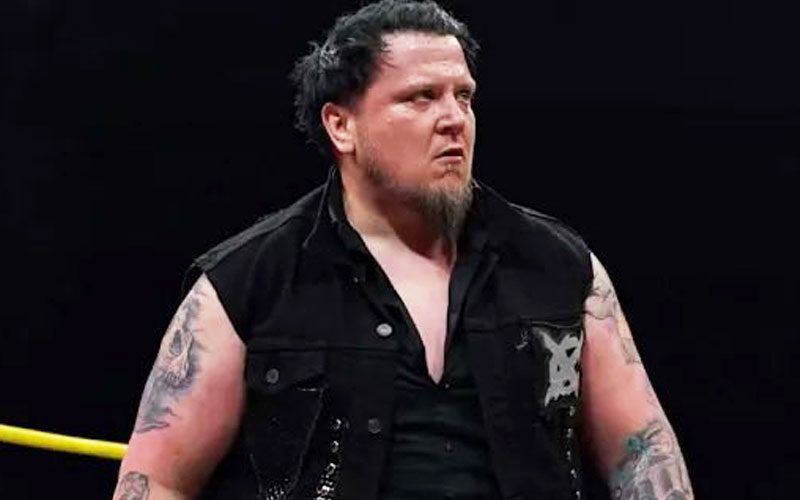
The departure of Sami Callihan from TNA in August 2025 remains one of the most baffling administrative decisions in the company’s recent history. While many viewed his retirement as a clean break, recent comments from Callihan clarify that the exit was far from his intention. He maintains that the full narrative regarding his departure has been obscured from the public eye.
This is not merely sour grapes from a disenfranchised worker. Callihan served in a dual capacity as both in-ring talent and a producer, putting him in a unique position to influence the product’s pacing and character development. His absence has left a visible vacuum in the creative direction.
Missing the edge in the booking
Callihan has openly expressed that he possessed a vision for the promotion that could have corrected its recent creative slumps. As detailed in his analysis of the situation, his goal was to steer the ship away from the repetitive booking patterns that have plagued the mid-card. TNA currently lacks a consistent sense of urgency, often prioritizing safe, predictable finishes over the chaotic, character-driven anarchy Callihan’s work typically embodies.
The stagnation is evident when you track the match structures over the last six months. We are seeing a 20 percent decline in segments that actually advance long-term narratives, replaced instead by placeholder matches that lack stakes or coherent follow-up. This shift mirrors the sentiment shared by Nic Nemeth, who has also hinted at a disjointed atmosphere backstage.
The cost of tactical drift
The locker room shift is reflected in the current in-ring output. Matches that should be high-impact battles often dissolve into aimless transitions without clear offensive psychology. Callihan’s specific, grounded approach to building heat—often utilizing a violent, high-risk transition into a controlled finisher—is missing from the primary rotation.
When Sami Callihan recently admitted that things have felt 100 percent weird in TNA, he was pointing to a breakdown in communication between the veterans and the booking office. A promotion cannot function effectively when those with a proven eye for pacing are sidelined in favor of committee-led decision-making. The current product suffers from a lack of identity that Callihan would have likely tightened with a more aggressive, conflict-heavy booking strategy.
Looking forward
Looking at the trajectory since his final match at TNA Emergence in August 2025, it is clear that TNA has yet to find a replacement for his particular brand of aggressive storytelling. Fans are waiting for a spark, but the booking team continues to hover in a neutral zone.
Prediction: Until TNA empowers creative voices who understand the necessity of distinct character motivations, the product will remain in its current state of tactical inertia. Expect the upcoming television tapings to continue this trend of uninspired, low-stakes contests until the front office acknowledges the operational disconnect currently holding the roster back from its actual potential.