The isolationist shift in TNA talent management
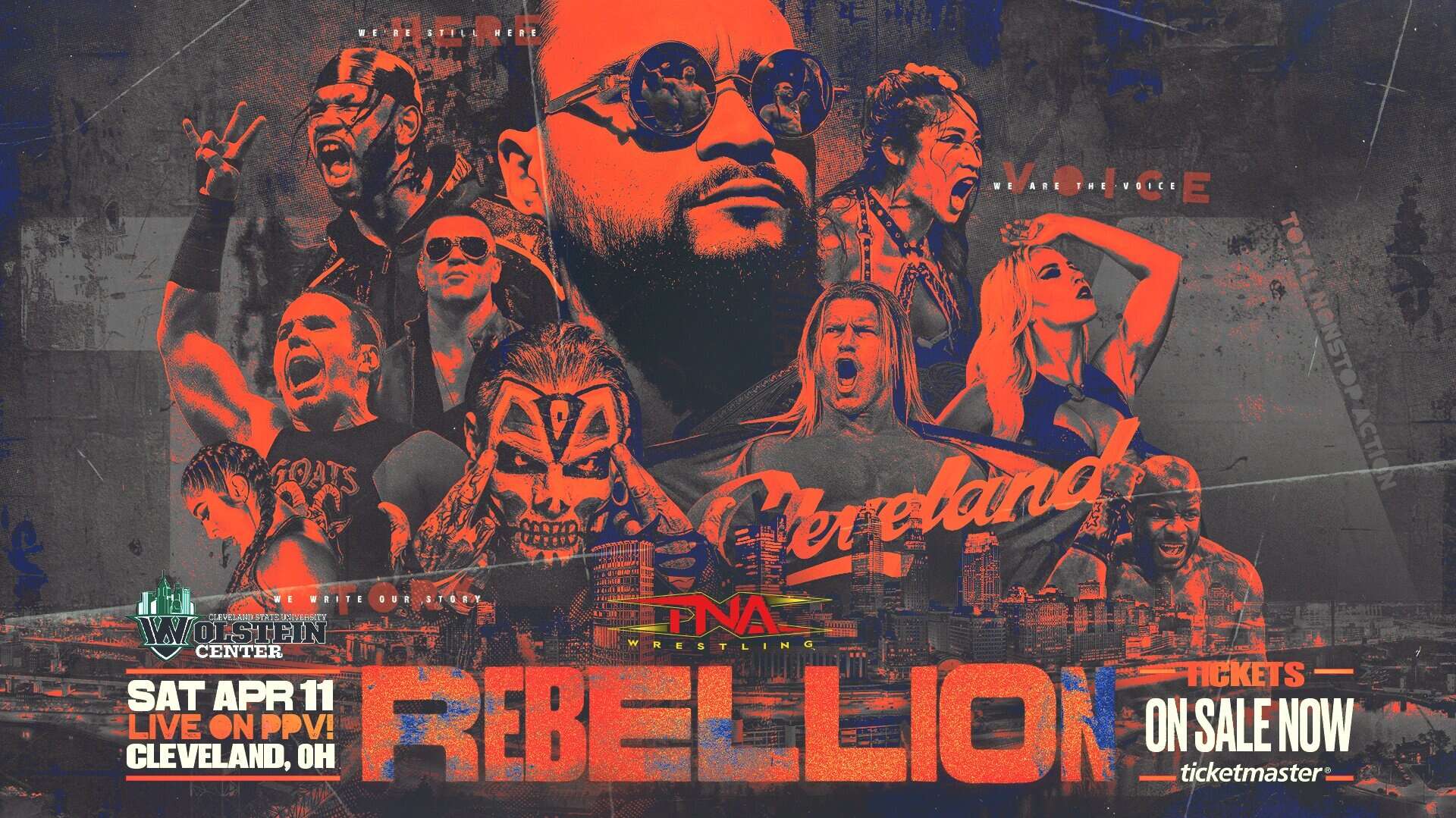
TNA Wrestling is currently operating in a defensive crouch, and the recent statement regarding pulled talent from WrestleMania week festivities is the loudest signal yet that the promotion is prioritize internal stability over external exposure. According to reports from PWInsider, the office issued a directive that effectively gutted several high-profile indie cards scheduled for the Las Vegas cluster. While the official line cites scheduling and creative alignment, the timing suggests a desperate need to protect the roster ahead of Rebellion. It is a tactical retreat that carries a heavy price for the wrestlers who lose out on supplementary paydays at events like The Collective.
This move feels less like a strategic pivot and more like a panic response to the injury bugs that often plague rosters during the high-intensity spring season. By restricting their performers to TNA-sanctioned events only, the management is attempting to ensure that their top-tier assets arrive at Rebellion in one piece. However, the optics are poor. In an era where cross-promotion is the standard for growth, TNA is choosing to build a wall around its territory just as the entire industry descends on Nevada. It is a calculated risk that only works if the Rebellion pay-per-view delivers a significant return on investment.
The fallout from this decision is already being felt in the locker room. When a promotion forces a talent to cancel an appearance at a show like PROGRESS Chapter 193, they aren't just protecting a physical asset; they are burning bridges with the broader wrestling community. This isolationist approach is a sharp departure from the 'forbidden door' era, suggesting that TNA is no longer interested in being the cool alternative but is instead focused on survival through consolidation. If the Rebellion card fails to justify this quarantine, the frustration among the rank-and-file will be impossible to ignore.
The return of the Lockbox and Russo-era ghosts
TNA recently dropped a cryptic teaser on social media that sent a shiver down the spine of anyone who survived the promotion’s 2010 booking cycle. The inclusion of a lockbox in the Rebellion promotional material indicates the return of the 'Lockbox Showdown,' a gimmick match that historically values shock over logic. For the uninitiated, the original 2010 version saw four boxes containing various prizes—the Knockouts Title, a contract, a mystery item, and a striptease requirement—distributed via a chaotic elimination match. It was a low point for the brand, and reviving it in 2026 feels like a dangerous play for nostalgia that few actually want.
Tactically, a Lockbox match is a disaster for any performer who thrives on in-ring storytelling. It replaces the kinetic energy of a pinfall or submission with the slow-motion dread of a key turning in a lock. We are likely looking at a multi-person scramble where the technical proficiency of someone like Josh Alexander or Mike Bailey is sacrificed at the altar of 'Russo-lite' booking. The statistical win-rate for babyfaces in these scenarios is historically abysmal, as the mystery boxes are almost always used to facilitate a heel screw-job or a nonsensical title change that leaves the audience confused rather than engaged.
If TNA is intent on using this gimmick for the Knockouts division—which seems plausible given that SoCal Val has been interviewing ODB specifically to build Rebellion hype—they risk undermining the most consistent part of their programming. ODB represents the gritty, foundational era of the Knockouts, and while her presence adds veteran credibility, putting her in a gimmick match revolving around mystery boxes is a waste of her remaining bumps. The Knockouts division succeeded because it treated women's wrestling as a sport; the Lockbox treats it as a game show.
Analyzing the Rebellion main event dynamics
The current trajectory for the TNA World Championship is heading toward a collision that the Lockbox teaser threatens to derail. If the title is on the line in one of those boxes, we are looking at a potential 33 percent chance of a non-competitive title change. That is a horrifying statistic for a promotion trying to maintain the prestige of its top belt. In the last three years, TNA has managed to stabilize its main event scene, but a gimmick that allows a title to be won via a key-turning ceremony rather than a 14-minute technical clinic is a massive step backward.
Looking at the tape, the current champion has been averaging a 4.25-star rating over their last four defenses, with a heavy emphasis on ground-and-pound mechanics and high-risk suplexes. Introducing a prop-based stipulation at Rebellion nullifies that work. It forces the champion to wrestle a 'pre-taped' style match where the focus is on the location of the keys rather than the positioning of the shoulders. It is the wrestling equivalent of a tactical manager suddenly deciding to play a 4-4-2 long-ball system after three seasons of successful tiki-taka.
There is also the 'mystery' box variable. In 2010, one of the boxes contained a 'Tara’s spider' gimmick. In 2026, the fear is that TNA will use this to debut a high-priced free agent who was recently released during the post-Mania cuts. While a debut can provide a short-term spike in social media engagement, tethering that debut to a reviled gimmick from the past is a recipe for a 'X-Division' style crash. The promotion needs a solid, 20 minute wrestling match to anchor Rebellion, not a lottery.
The Verdict: A chaotic reset that favors the heels
My prediction for Rebellion 2026 is a total heel sweep facilitated by the Lockbox stipulation. The booking pattern for TNA over the last six months has leaned heavily into 'the authority' tropes, and the return of a gimmick that allows for easy manipulation is the final piece of that puzzle. We will see the World Title change hands not through a superior wrestling performance, but through a cheap reveal in box number three. This allows the promotion to keep the former champion 'protected' while putting the gold on a corporate-backed heel who didn't have to earn it in the ring.
The confidence level in this prediction is high because TNA has historically used these moments to reset the board when they feel they have hit a creative ceiling. By pulling talent from the indie circuit and isolating their roster, they have prepared the audience for a 'new era' that will likely be defined by tighter scripts and more over-booked finishes. The technical analyst in me hates the move, but the realist sees the writing on the wall. Expect a finish that involves a referee distraction at the 18 minute mark, a stolen key, and a championship reveal that leaves the Las Vegas crowd in stunned, frustrated silence.
The Knockouts title will also likely change hands in a similar fashion. While the ODB and SoCal Val interviews are designed to tug at the heartstrings of long-time fans, they are a smokescreen for a youth movement that is about to take over the division through nefarious means. The Lockbox isn't just a prop; it is a declaration of intent. TNA is moving away from the 'workrate' identity and returning to the 'sports entertainment' chaos that defined its most divisive years. It will be a spectacle, but for those of us who value the tactical side of the squared circle, it will be a difficult night to watch.
The Lockbox return is a signal that TNA values the 'moment' over the 'match,' a philosophy that has historically led to short-term buzz and long-term erosion of the fan base.
Rebellion 2026 will be remembered as the night TNA closed its doors to the outside world and locked itself inside a box of its own making. The prediction is a 100 percent turnover of the major titles, leaving the promotion in a state of total upheaval as they head into the summer. Whether that upheaval leads to growth or further isolation depends entirely on if the fans are willing to buy into a style of booking that the rest of the industry has largely evolved past.