The Boston summer gamble
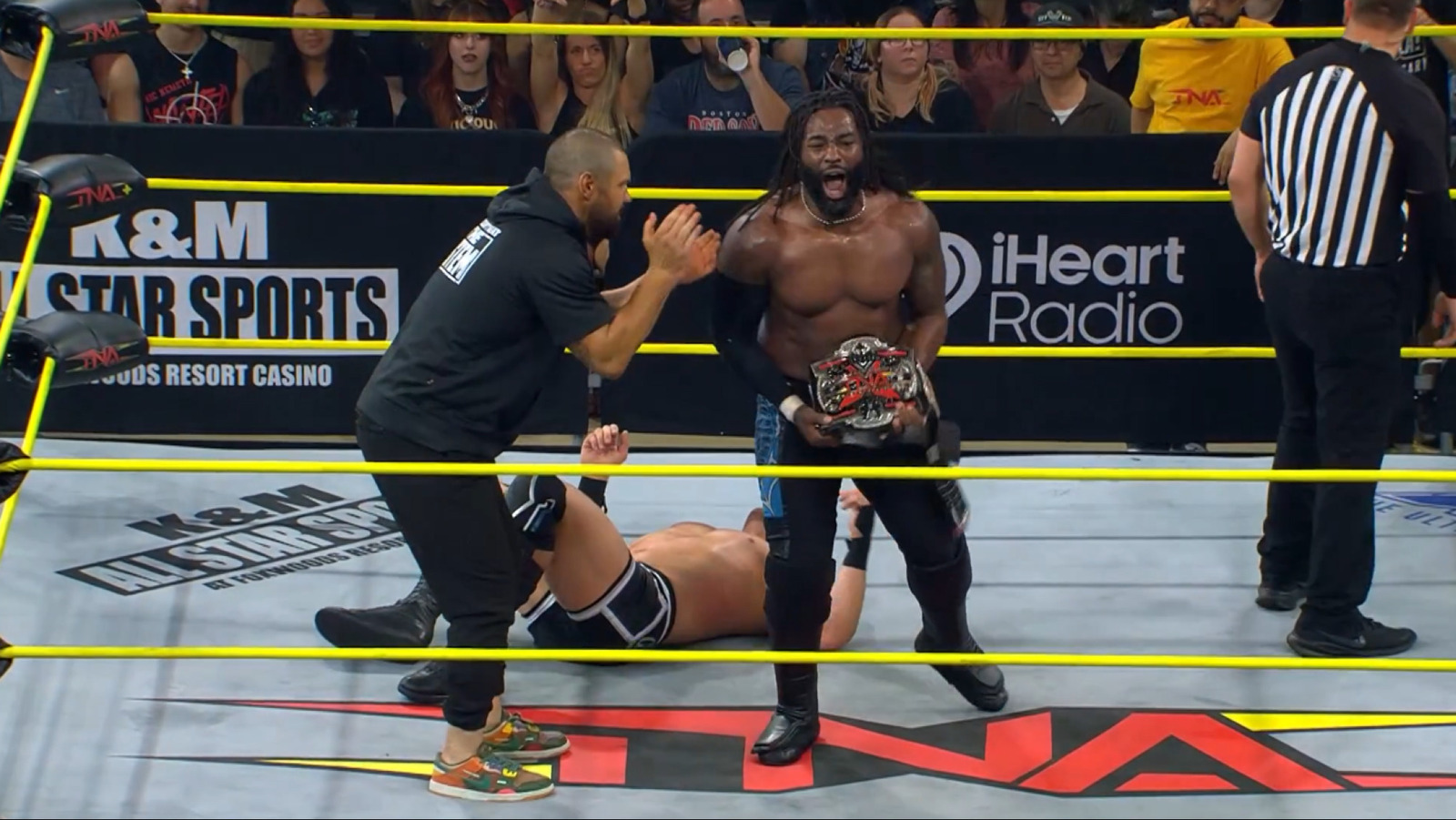
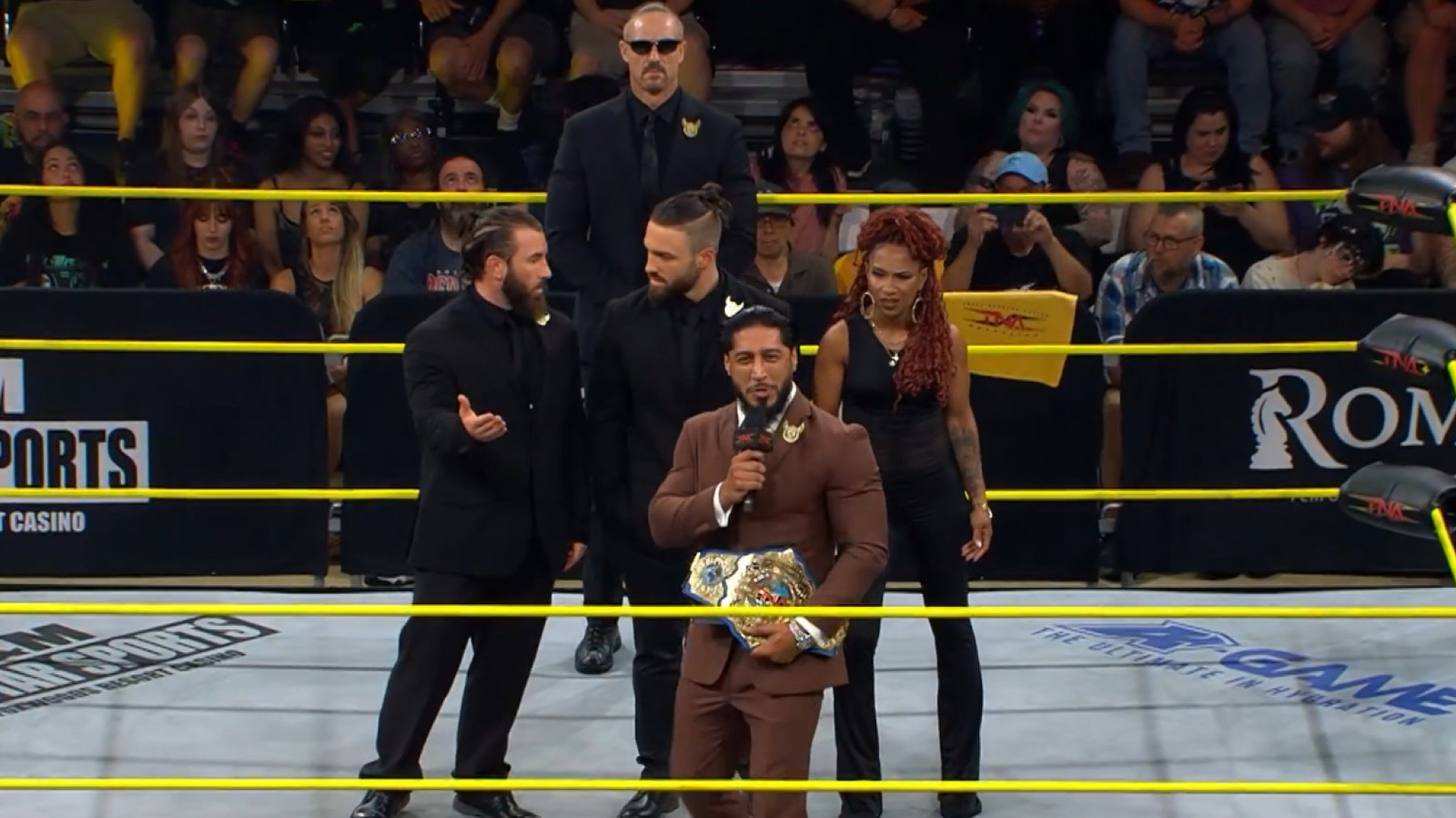
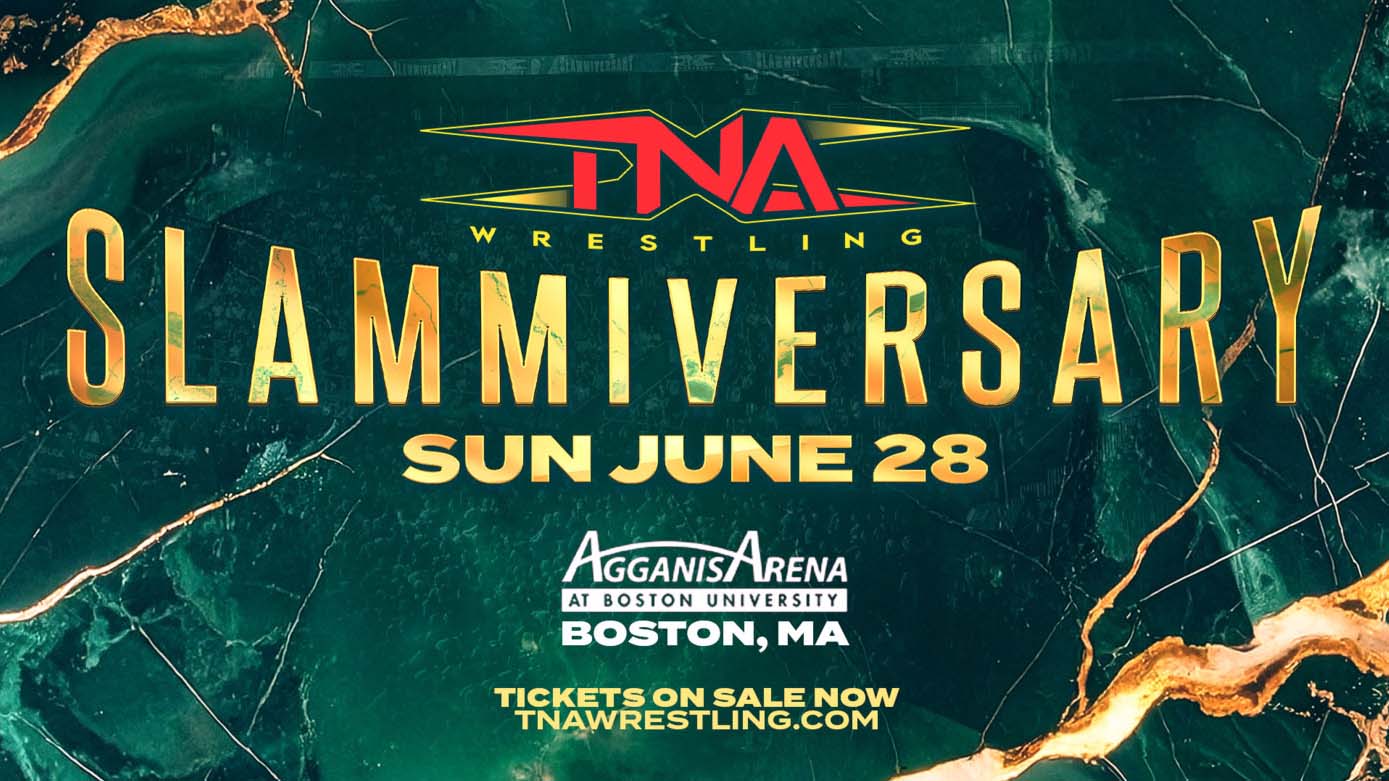
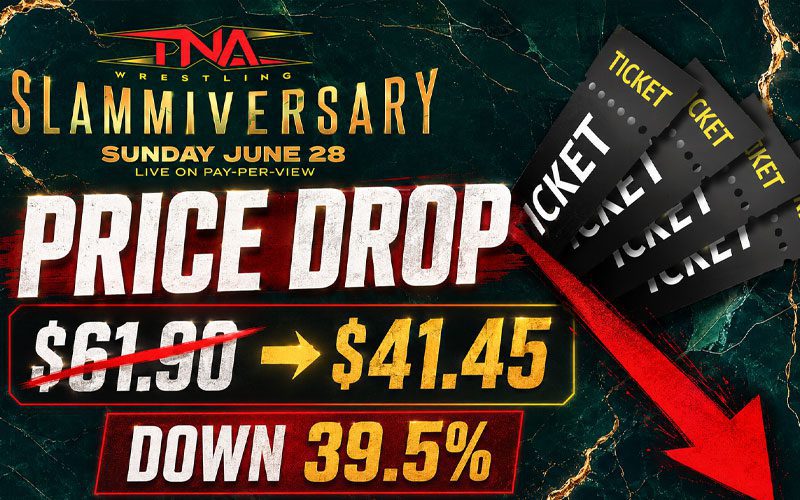
TNA Wrestling is officially planting its flag in the Northeast for the biggest night of its calendar. As of Friday morning, the pre-sale for Slammiversary 2026 in Boston has gone live, signaling a shift in the promotion's willingness to test major markets after a year of cautious venue selection. The code is simple—TNA—but the implications of this ticket launch are anything but basic for a company trying to prove it can still draw in the shadow of WWE and AEW.
Boston is a notoriously difficult room for anyone not carrying a billion-dollar TV deal. The fans there are educated, cynical, and historically loyal to the workrate-heavy style that TNA used to define. By choosing Boston for Slammiversary, the promotion is inviting a direct comparison to the biggest events in the industry. It is a high-stakes play that requires a card capable of justifying a flight into Logan Airport, and so far, we are looking at a blank canvas with a lot of pressure on the logistics team.
The seven-city stumble
While the Boston pre-sale is moving, the rest of the tour schedule is hitting a wall. In a move that usually signals internal chaos or venue contract friction, TNA pushed the general on-sale for seven cities back to next week. We are talking about Albany, Denver, and several other key stops that were supposed to be locked in by now. Delaying ticket sales by seven days might not seem like a death sentence, but in a touring cycle, that is a week of lost marketing momentum and a week of fans looking at other entertainment options.
This kind of administrative friction is exactly what TNA does not need right now. When you are asking fans to commit their Friday nights to a wrestling show in Denver or Albany, you need the process to be seamless. Pushing the date suggests that the back-end coordination between the promotion and the local arenas is fraying. It is a minor bruise on what should have been a triumphant week of announcements, and it raises questions about whether the internal structure can keep up with the ambitious summer schedule.
Windsor and the Canadian corridor
North of the border, the strategy looks a bit more focused. Tickets for the debut of MLP Mayhem TV tapings in Windsor, Ontario are now on sale. Windsor has always been a sneaky-good wrestling town, benefiting from its proximity to Detroit while maintaining a distinct Canadian identity that favors technical wrestling. This isn't just another taping; it is a test of a new brand identity under the MLP banner, and the choice of the Windsor market suggests they are looking for a loyal, noisy crowd to anchor the television product.
The Windsor tapings represent the 'working class' side of the business that TNA often executes better than anyone else. While Boston is the prestige play, Windsor is the engine room. If MLP Mayhem can establish a regular footprint in the Ontario-Michigan corridor, it gives the company a fallback for television production that doesn't require the massive overhead of a Vegas or Orlando residency. However, the success of this taping depends entirely on how much local promotion they actually do in the next 10 days before the doors open.
The shadow of the Gawker tape
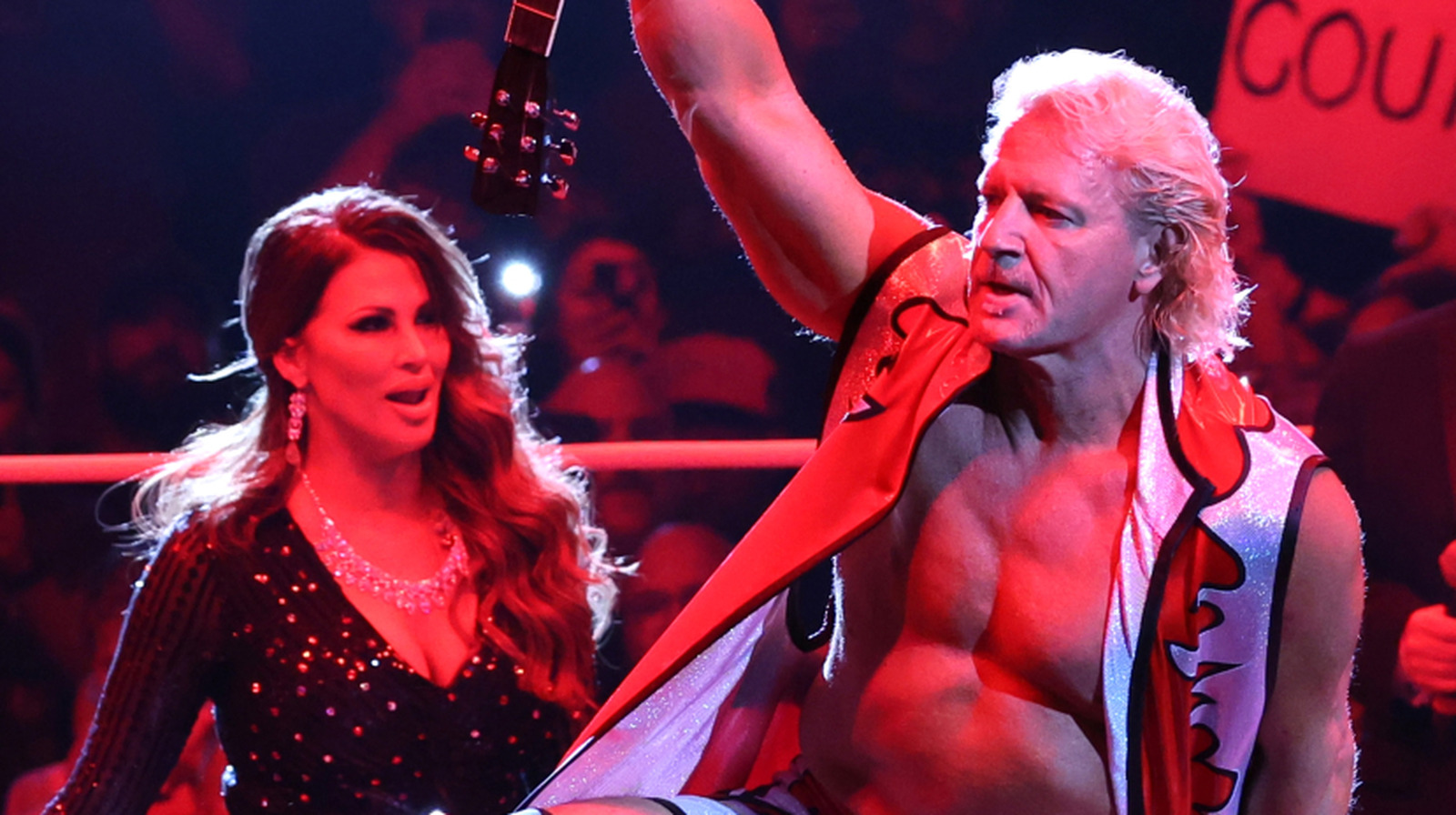
Wrestling history is having a moment of reckoning this week with the release of the 'Video Killed the Radio Star' documentary. The film, which tracks the fallout of the Hulk Hogan Gawker tape, is now available for streaming, and it serves as a grim reminder of the legal and ethical minefields this industry has walked through. For a company like TNA, which was once heavily defined by the presence of Hogan and the Eric Bischoff era, this documentary is more than just a history lesson. It is a look at the infrastructure of fame and the fragility of a wrestling legend's brand.
The documentary isn't a puff piece. It digs into the specifics of the 48 hours that changed the legal landscape for digital media and the wrestling business alike. Watching it in 2026, you realize how much the industry has tried to sanitize itself since that era. TNA's current push for a 'cleaner' image in Boston and Windsor is a direct response to the kind of controversies highlighted in this film. We are seeing a company trying to grow up, even if the ghosts of the past are still available on demand for $19.99.
The Albany and Denver connection
Albany and Denver are the two cities that stand out in the delayed on-sale list. Albany has been a TNA stronghold since the early Spike TV days, a place where the crowd usually carries the show through any booking lulls. Denver, on the other hand, is a logistical hurdle. The altitude affects the cardio of the performers, and the travel costs for a full television crew to hit the Mountain West are significant. If you are going to go to Denver, you have to sell it out to make the math work.
The delay in these cities is a tactical error. If TNA is waiting for a major talent announcement to 'spike' the on-sale, they are playing a dangerous game. Most fans buy tickets based on the brand's reputation and the promise of a big show, not a single match reveal three months out. By stalling the Albany and Denver sales, they are letting the 'hype' cycle cool down. It is a curious decision that feels more like a defensive crouch than a calculated offensive move.
Technical failures in the ticket booth
Reports from the early minutes of the Slammiversary pre-sale suggest that the ticketing interface wasn't ready for the initial surge. Fans in several Discord servers noted that the code 'TNA' wasn't being recognized by certain regional portals for the first 15 minutes of the window. This is the kind of technical incompetence that kills a launch. In 2026, there is no excuse for a ticketing partner not to have a pre-sale code synchronized across all platforms at the exact second of launch.
It is a recurring theme for the promotion: great ideas, questionable execution. The talent on the roster is arguably at its highest level since the 'Option C' era, but the administrative side of the house continues to trip over its own shoelaces. You can have the best main event in the world, but if the fans can't buy the seats to see it, the gate stays flat. Boston will likely recover because the market is starved for high-end wrestling, but Denver and Albany might not be as forgiving.
The Prediction
TNA will see a strong initial burst for Slammiversary in Boston, but the 'seven city delay' is going to haunt their June and July gates. I expect the Boston show to be a creative success, but a logistical headache as they scramble to fill the lower bowl. My call? The MLP Mayhem tapings in Windsor will actually produce the better 'television' because the stakes are lower and the crowd will be more desperate to prove their relevance. TNA needs to stop over-complicating their ticket launches and just let the fans give them money. Sometimes the simplest move is the most effective one—get the tickets on the market and let the wrestlers do the rest.