The slow bleed on Thursday nights
The television numbers for the May 14 broadcast of TNA Impact are officially in, and they offer a remarkably bleak picture of the promotion's current television situation. Yes, viewership ticked upward. But celebrating an increase when you are bouncing off a record low is a dangerous game.
The reality is that this was still the third-lowest audience TNA has drawn since moving to AMC.
Wrestling fans have watched this company survive everything. They have weathered network changes, mass talent exoduses, and complete rebranding efforts. TNA is the eternal survivor of the professional wrestling industry. But the current run on AMC feels precarious.
The initial optimism of landing on a major cable network has evaporated, replaced by the grim reality of a steadily declining viewer base.
When TNA announced the move to AMC, it felt like a lifeline. The network is historically known for premium, character-driven dramas.
Putting professional wrestling on a network with that specific demographic was always going to be an experimental gamble. The hope was that AMC's built-in viewership might bleed over, curious to see what modern TNA looked like.
Instead, the opposite has happened. The wrestling audience failed to follow the product to its new home, and the traditional AMC viewers are aggressively ignoring it.
Scoring the third-lowest viewership since the transition is a red flashing light on the dashboard. Networks are unforgiving.
Television executives in 2026 do not hand out multi-year grace periods for ratings to stabilize. If TNA does not find a way to halt this slide and prove they can draw a consistent, profitable demographic, this AMC partnership could end up being a very short chapter in the promotion's chaotic history.
A fundamental misunderstanding of pacing
The product in the ring is not inherently broken, but the presentation lacks the visceral, must-watch energy that forces a fan to tune in live.
If you want to know why viewers might be checking out early, look directly at how the May 14 episode opened. Instead of kicking off the broadcast with a hot angle, a brawl, or a fast-paced match to immediately hook the audience, TNA chose to open with an in-depth video package summarizing Leon Slater’s reign as X-Division Champion.
This was a glaring production mistake. Slater is a phenomenal talent.
His gravity-defying offense and natural swagger make him the perfect anchor for the modern X-Division. Building the May 14 episode around his headline title defense was the right booking decision. But you cannot open a wrestling television show with a history lesson.
The X-Division was once the heartbeat of this company. In the mid-2000s, fans tuned in specifically to watch AJ Styles, Samoa Joe, and Christopher Daniels revolutionize the business with a style that simply did not exist on national television anywhere else.
Fast forward to 2026, and the entire wrestling industry has co-opted that style. Every promotion has incredible athletes hitting 450 splashes and Canadian Destroyers.
To make the X-Division matter today, TNA has to rely on compelling characters and blood-feud intensity, not just athleticism.
Video packages are designed to bridge the gap between matches, not set the tone for a two-hour broadcast. When a promotion is bleeding viewers, the opening five minutes are everything.
You have to grab the audience by the throat. Giving them a polished recap of things that happened weeks ago is practically begging them to change the channel. The pacing was completely backward, and the ratings reflect that lack of urgency.
Santana’s singles test
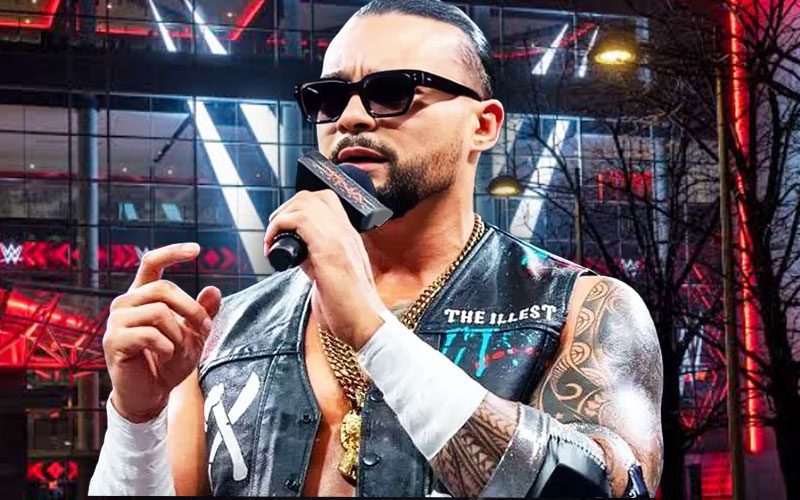
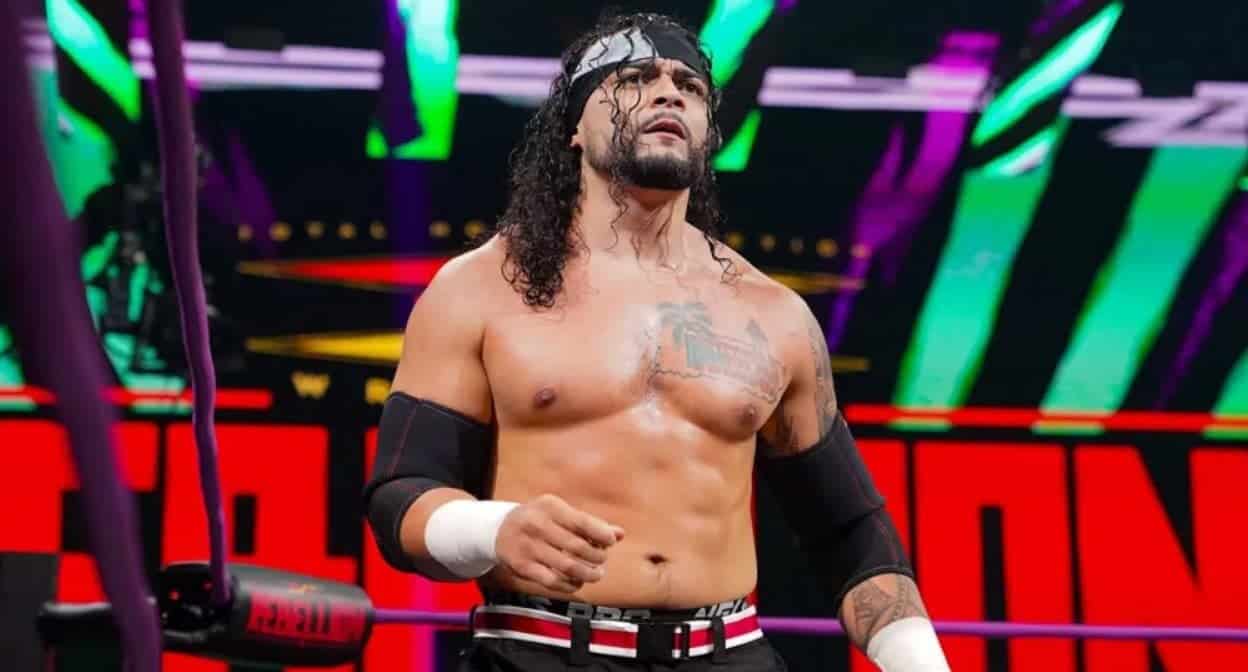
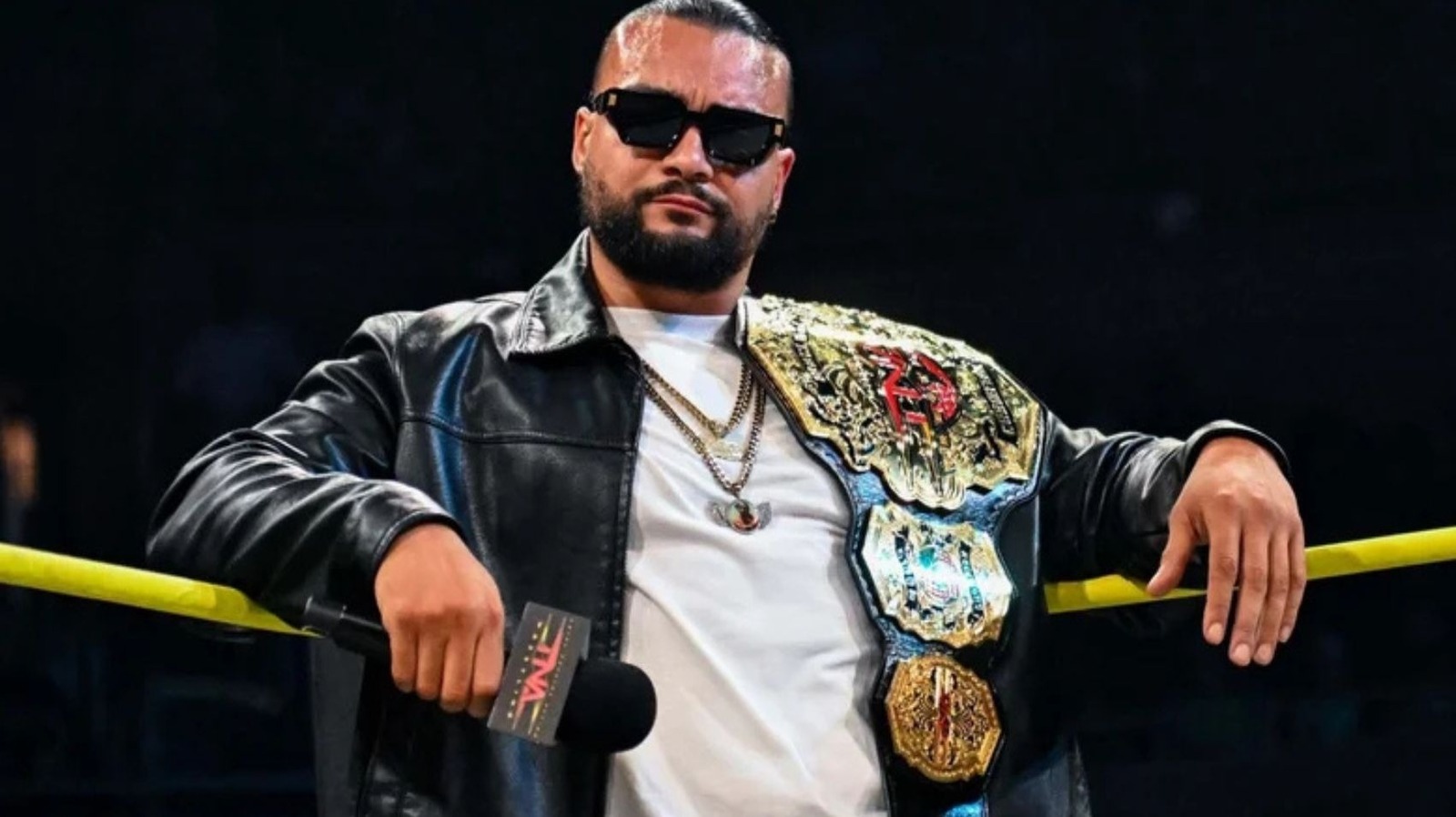
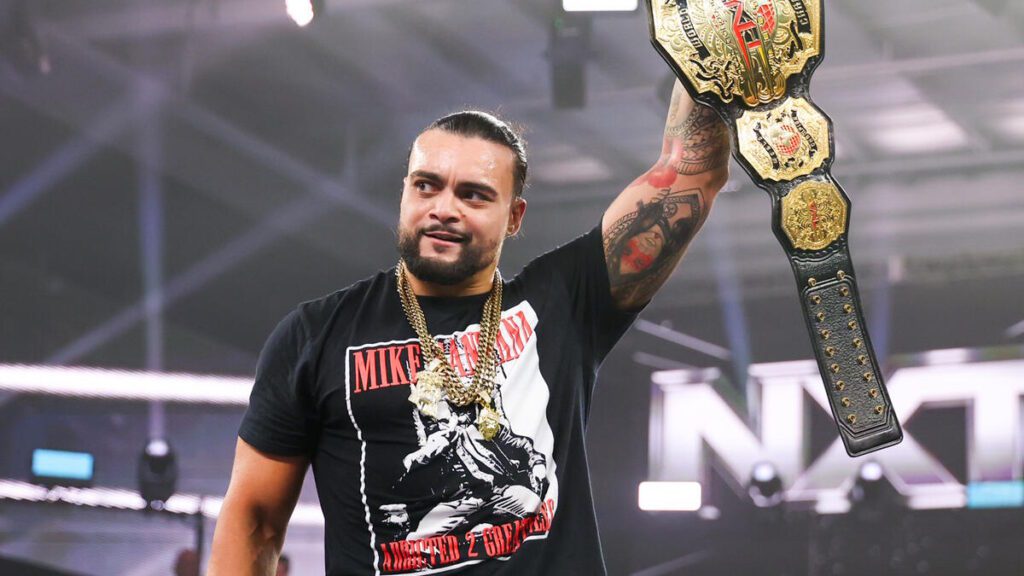
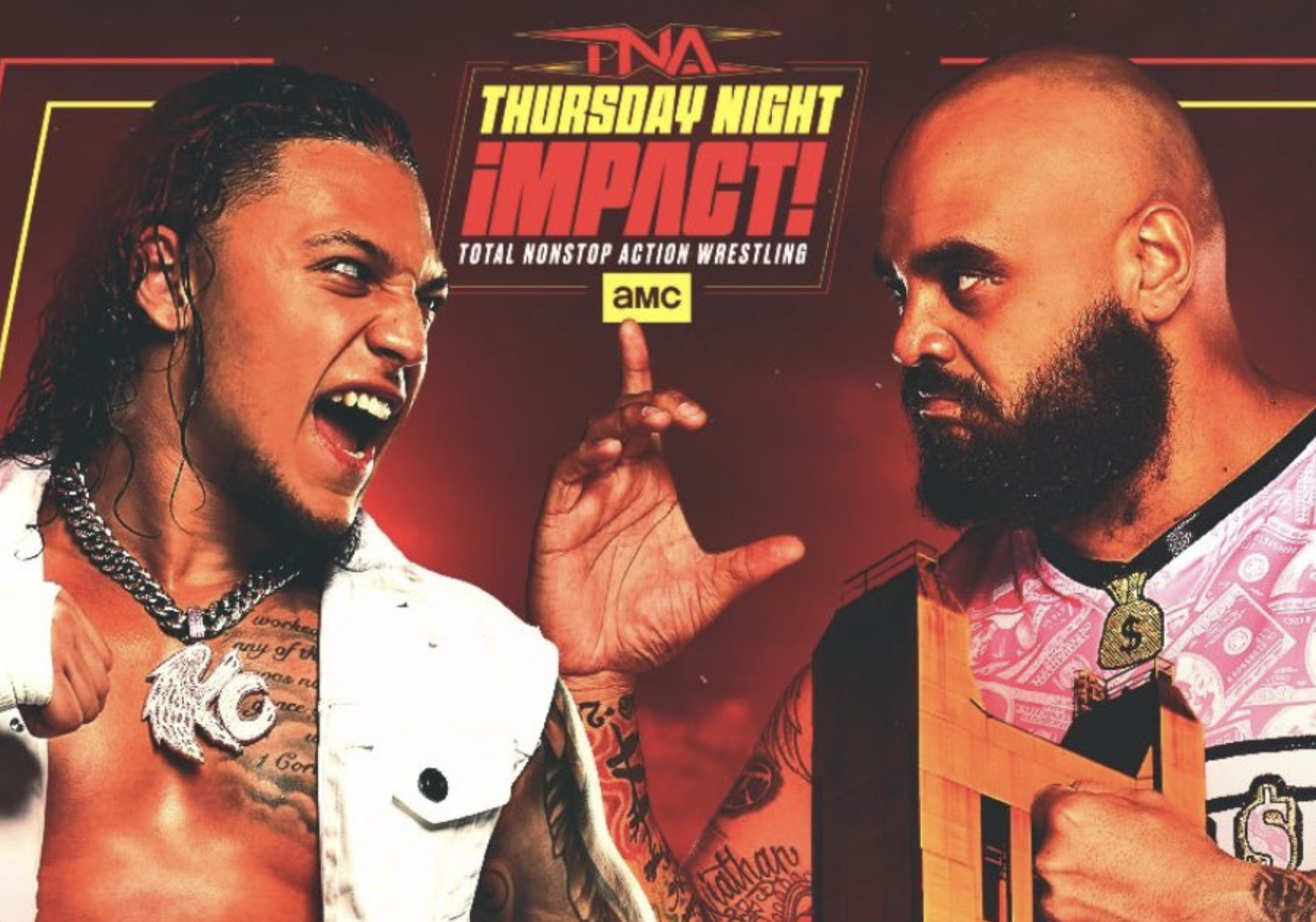
TNA has a chance to correct the ship this Thursday when Mike Santana squares off against Steve Maclin in the main event.
This is the exact type of match the promotion should be heavily advertising. It is not going to be a flashy, acrobatic exhibition. It is going to be a violent, ugly fight between two guys who lay their strikes in hard.
Santana’s transition into a top-tier singles competitor has been one of the few undisputed highlights of TNA’s year.
Following a devastating knee injury and the dissolution of his tag team, he has rebuilt himself entirely. He looks sharper, his promos carry a raw emotional weight, and his ring work has a renewed intensity.
He is currently locked in a gritty feud with Eric Young, but stepping into the ring with Maclin presents a completely different physical challenge.
Maclin does not waste motion. He is arguably the most effective brawler on the roster, utilizing stiff elbows, heavy lariats, and a punishing ground game.
When Maclin hits the ropes, he looks like he genuinely wants to run through his opponent's chest. Pairing him with a striker like Santana guarantees a match that will look and feel like a legitimate struggle.
An undercard searching for a pulse
While the top of the card has clear direction, the rest of the show often feels like it is treading water. The midcard is populated with matches that function perfectly well in a vacuum but lack any real narrative weight.
Take the recent focus on Lei Ying Lee against Xia Brookside, or KC Navaro taking on AJ Francis. Brookside is a fundamentally sound worker, and Lee brings a unique physical presence, but their feud has been afforded zero narrative depth.
They are just wrestling for the sake of filling television time.
The dynamic between Navaro and Francis is similarly frustrating. It is a classic booking trope. Francis is the arrogant, massive powerhouse who relies on heavy slams and taunting.
Navaro is the lightning-fast underdog who bumps like a maniac to make the big man look like a monster. It works perfectly on paper.
But without actual stakes, it is just an exhibition. Why should the audience care if Navaro manages to hit a desperate flurry of offense? What does winning actually get him?
TNA is booking these undercard matches without providing the necessary context to make the audience invest emotionally.
The Eric Young variable and Thursday's prediction
The underlying tension between Santana and Eric Young has been simmering for weeks, and as noted in recent feud trackers, it is easily the most compelling storyline on the program right now.
Young is operating on a different wavelength than the rest of the roster. He brings a chaotic, almost horror-movie element to his promos. He isn't interested in trading holds; he wants to inflict psychological damage.
Santana, meanwhile, is playing the focused, no-nonsense fighter who refuses to be intimidated by Young's mind games. It is a classic clash of ideologies.
Because of this, the booking logic for Thursday is fairly transparent. TNA is not going to derail Santana’s momentum by having him take a clean loss in the middle of the ring.
Conversely, Maclin is a protected commodity who shouldn't be eating clean pins on weekly television without a massive payoff.
Expect a brutal, grinding match that likely spills out to the concrete within the first five minutes. Maclin will try to ground Santana and neutralize his explosive strikes by attacking the lower back.
Santana will absorb a tremendous amount of punishment before firing back with a desperation flurry late in the bout.
My prediction for Thursday: Steve Maclin gets his hand raised, but not cleanly.
Just as Santana goes for the kill, Eric Young will make his presence felt. A distraction on the apron or a blatant cheap shot behind the referee's back will give Maclin the opening he needs to hit the KIA for the pinfall.
Maclin keeps his aura, Santana gets protected in defeat, and the feud with Young erupts into its next violent chapter. It is a predictable finish, but if they execute the violence correctly, it will be exactly what TNA needs to anchor the broadcast.