The Deal
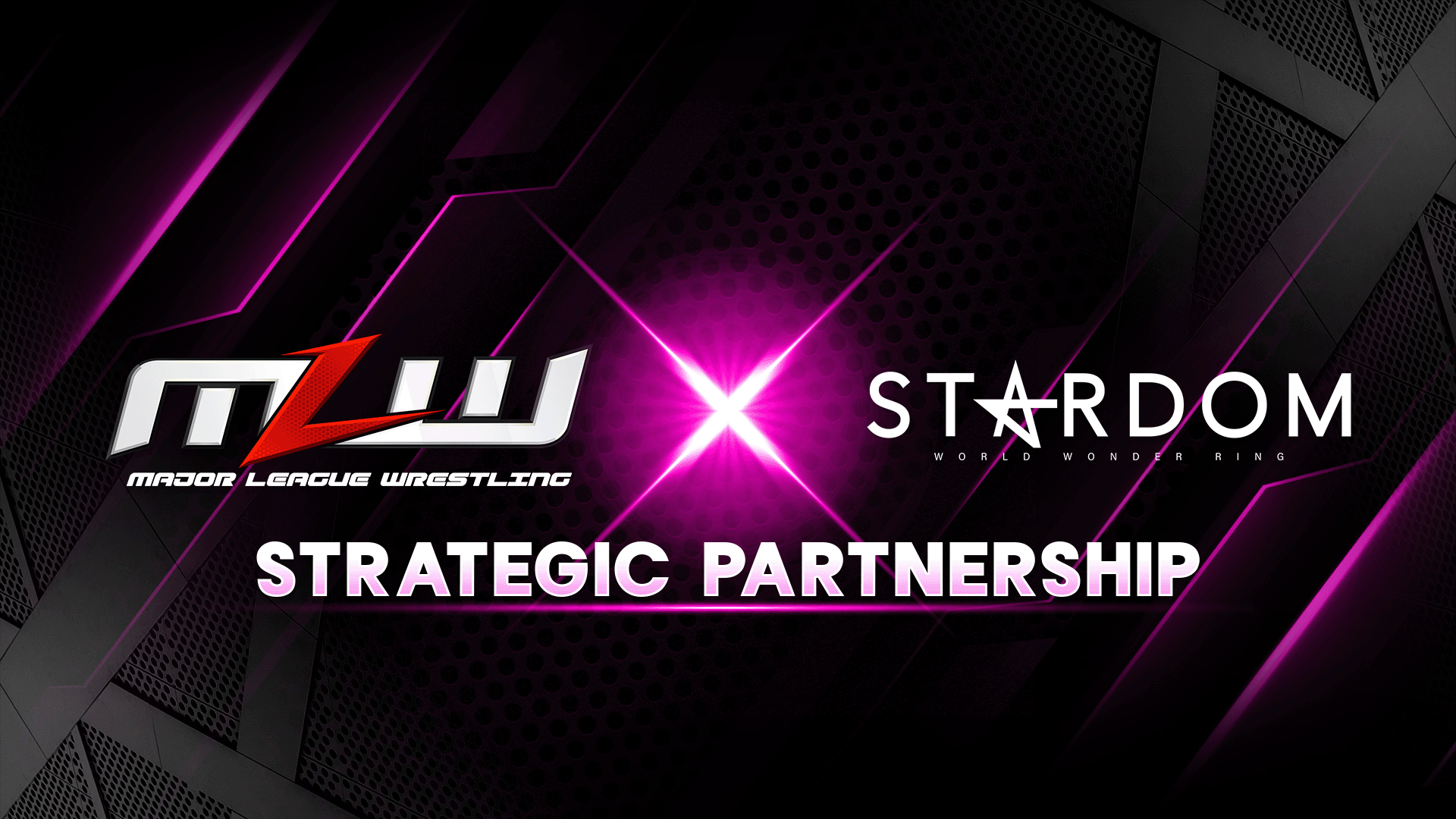
The news dropped quietly before bouncing around the usual channels. PWInsider and F4WOnline confirmed it on Tuesday. Major League Wrestling and STARDOM have inked a working agreement. The Japanese women's wrestling powerhouse is sending talent to the United States.
They will debut for MLW next month in New York City and Philadelphia. It sounds massive on paper. STARDOM is the premier women's promotion on the planet. MLW is a scrappy, persistent force in the American independent and television scene.
Mixing the two offers intriguing possibilities. But wrestling fans have been burned by strategic partnerships before. Let's break down what this actually means.
The Mechanics of the Crossover
The announcement promises a talent crossover. STARDOM stars are confirmed for MLW's upcoming shows in the Northeast. This isn't just a vague handshake. Dates are booked.
Next month means June 2026. NYC and Philly are the targets. That usually means the Melrose Ballroom in Queens and the 2300 Arena in South Philadelphia. These are buildings that demand a physical, hard-hitting style.
STARDOM talent fits that bill perfectly. This isn't an outright transfer or a poaching situation. STARDOM talent remains under contract in Japan. They will simply take bookings with MLW. It is an excursion model mixed with a supercard attraction.
Why Court Bauer Made This Move
MLW needs buzz. Court Bauer is a promoter who understands the value of a shiny new toy. His promotion relies on a rotating cast of international talent to keep its cards fresh.
The MLW women's division, specifically their featherweight ranks, has seen varied levels of focus. Adding STARDOM wrestlers instantly legitimizes the division. You cannot fake the workrate that comes out of the Bushiroad-owned company.
Bauer has successfully navigated international waters before. The AJPW and CMLL relationships have yielded fun television. Bringing in STARDOM gives MLW access to a rabid, dedicated fanbase.
Those fans buy tickets. They buy pay-per-views. MLW wants that demographic. But there is a catch. MLW's production style is gritty. STARDOM relies on high-end presentation and bright lights.
Clashing those two visual styles will be a fascinating television experiment. It will test MLW's production crew.
What STARDOM Gets Out of It
Bushiroad wants a bigger footprint in America. STARDOM has already dipped its toes into the US market. They have run standalone shows. They have collaborated with AEW and Ring of Honor.
So why MLW? It comes down to reps. AEW has a bloated roster. Getting STARDOM talent consistent ring time on American television is difficult when Tony Khan is juggling a massive payroll.
MLW offers a tighter, more focused hour of television. STARDOM can send younger talent on excursions here. They can send mid-carders who need a character refresh.
Working in the 2300 Arena teaches you how to handle a ruthless crowd. It is a fantastic finishing school. This also keeps STARDOM in the American wrestling conversation year-round.
It builds brand awareness. When they eventually run another standalone US pay-per-view, the audience will be primed.
The Graveyard of Partnerships
Here is the reality check. We have to be honest about MLW's history. This promotion announces a lot of massive alliances. Very few of them alter the course of the company.
Remember the Dragon Gate partnership? It produced a handful of matches before quietly fading into the background. The Pro Wrestling NOAH relationship has been similarly hot and cold.
Sometimes you get Naomichi Marufuji. Other times, the connection goes dormant for a year. That is the biggest red flag here.
A strategic partnership in professional wrestling often means two promoters agreed to share flights for one weekend. The press release always sounds world-changing. The execution is usually much smaller.
If MLW brings over two STARDOM wrestlers for the NYC and Philly shows, and then we never see them again, this was just a PR stunt. The true test is whether STARDOM talent is still wrestling in an MLW ring by December.
Matching Up The Talent
We do not have the exact names yet. Reports noted that MLW announced names, but the full list is being kept tight until the promotional push kicks into high gear.
Who makes sense? You probably do not send Mayu Iwatani right away. She is the ace. You send someone hungry.
You send someone who works a physical, striking-heavy style that translates to the American indies. Someone like Suzu Suzuki would tear the house down in Philadelphia.
Her violent, fast-paced offense is exactly what the 2300 Arena crowd demands. If STARDOM sends their top-tier high-speed workers, MLW's midcard is going to have to step up its cardio.
There is also the faction element. STARDOM is built on stable warfare. Oedo Tai or Club Venus invading an MLW show writes itself.
MLW loves a faction war. The booking practically does itself.
The Historical Context
Let's look at the historical context of Japanese women's wrestling in the United States. For a long time, it was treated as a sideshow. A special attraction that popped the crowd but rarely factored into long-term storytelling.
That changed over the last decade. Fans have easier access to STARDOM broadcasts than ever before. They know the storylines. They know the factions.
When a STARDOM wrestler walks through the curtain in Queens next month, they won't be an unknown commodity. They will be greeted like superstars. MLW has to capitalize on that existing knowledge.
They do not need to explain who these women are. They just need to ring the bell and let them fight. Let's talk about the MLW Featherweight Championship.
The division has seen its share of starts and stops. Taya Valkyrie held the gold. Janai Kai brought a terrifying, martial-arts-infused violence to the belt.
That is the standard. If STARDOM talent comes in, they should be gunning for that title immediately. You do not bring in the best wrestlers in the world to work dark matches.
You put them in main events. Court Bauer knows how to promote a fight. His background in MLW has always leaned heavily into a combat sports presentation.
Tale of the tape. Press conferences. Legitimate athletic backgrounds. STARDOM fits that mold.
Their strikes sound like gunshots. Their suplexes look dangerous. It is a stiff, unforgiving style of professional wrestling. It isn't sports entertainment.
It is a fight.
The Television Equation
There is also the television distribution factor to consider. MLW relies heavily on its media rights deals. Their programming lives on platforms like TrillerTV and YouTube.
They need eyeballs to justify their existence to advertisers. Bringing in STARDOM talent is a direct play for a highly engaged, digitally native audience.
Joshi fans are notoriously dedicated. They track international flights. They buy merchandise. They subscribe to streaming services just to watch one specific match.
If MLW can convince even a fraction of the STARDOM fanbase to tune into their weekly programming, it moves the needle. It gives Court Bauer ammunition when he negotiates his next broadcasting contract.
But that audience is also incredibly critical. If the STARDOM wrestlers are booked poorly, or if their matches are heavily edited to fit a television format, the backlash will be immediate.
You cannot present a watered-down version of STARDOM and expect the fans to blindly support it. The production team has to understand how to shoot a Joshi match.
It requires wider angles. It requires capturing the speed and the impact without relying on rapid camera cuts. MLW's presentation is usually solid, but this will test their crew.
Long-Term Implications
This partnership could also open doors for MLW talent heading the other way. An excursion to Japan is still a rite of passage.
If MLW can send their young prospects to train in the STARDOM dojo, the long-term benefits are massive. Imagine an MLW rookie spending six months in Tokyo.
They come back faster, sharper, and tougher. That is how you build a sustainable roster. You create your own stars instead of just renting them.
But again, the skepticism remains. Wrestling is littered with press releases that promised the world and delivered a single tag team match. MLW has to prove this is different.
They have to prove they are a worthy partner for a juggernaut like STARDOM. We will find out in June. The flights are booked.
The venues are secured. The bell is going to ring. Now, someone has to take a bump.
Probability & Expected Timeline
Probability of the Debuts: 100%. The NYC and Philly dates next month are locked. The tickets are selling based on this news.
Probability of Long-Term Success: Medium. The wrestling business is volatile. Visas get delayed. Flights get expensive.
Promoters argue. The initial shows will happen, but a multi-year talent pipeline is a massive undertaking.
Expect a massive pop on night one, followed by a slow realization of how hard this is to maintain.
Expected Timeline: Next month, June 2026. The initial wave hits the Northeast. If the crowd reaction is strong, expect a second wave of talent announced by late summer.
Read Next