The AMC ceiling caves in
On May 7, TNA iMPACT hit a brutal reality check. According to Wrestling Inc, the broadcast drew its lowest number of viewers since the promotion debuted on AMC back in January. The initial surge of optimism that accompanied the network move has completely evaporated.
We are now exactly four months into this new television deal. That is typically the grace period for a wrestling show on a new network. You get a debut bump, a stabilization period, and then the true baseline emerges. TNA is currently finding its baseline, and the floor keeps dropping. This wasn't just a minor dip; Ringside News described it as a massive drop and one of the steepest declines yet.
The honeymoon is over. TNA is now facing the harsh reality of modern television retention. When a television audience abandons a show this sharply, it rarely comes down to a single bad match. It points to a fundamental disconnect in the core product. The May 7 viewership collapse is a symptom of structural contradictions in TNA's creative direction, and the numbers are finally punishing them for it.
A history of network instability
To understand the panic around these numbers, you have to look at TNA's historical relationship with television networks. This is a promotion that has bounced from Fox Sports Net to Spike TV, to Destination America, to Pop TV, to Pursuit, and to AXS before finally landing on AMC.
Every time they move, they lose a fraction of their legacy audience. The Spike TV era proved that TNA could draw over one million viewers with the right presentation. But the constant channel surfing over the last decade trained casual fans to stop looking for them. AMC was supposed to be the final destination. It has the reach and the prestige to rebuild that lost audience.
But reach only matters if the product is watchable. You can put a poorly booked wrestling show on the most popular network in the world, and the viewers will still walk away. The steep decline on May 7 proves that TNA cannot rely on network branding to save them. The product has to stand on its own merits.
The demographic disconnect
We need to talk about the network itself. AMC built its brand on prestige television. It is the network of Breaking Bad, Mad Men, and The Walking Dead. That comes with a specific demographic expectation. When TNA moved to AMC in January 2026, the theory was that they could present a grittier, more mature wrestling product to match the network's identity.
Instead, they have delivered a disjointed show that oscillates wildly between serious athletic competition and dated comedy. Television viewers have infinite options. In modern cable television, retaining even 80 percent of your lead-in audience is considered a massive win. You cannot afford to give viewers an excuse to change the channel. If they tune into AMC expecting high-stakes drama and instead see convoluted supernatural storylines, they will hit the remote.
The massive drop reported for the May 7 episode indicates that the casual AMC viewer who checked out the show in January has finally given up. With All Elite Wrestling gearing up for Double or Nothing on May 24, the competition for wrestling viewership is only getting tighter. TNA does not have the luxury of coasting.
The anatomy of a massive drop
Let's look at the specific creative choices driving these viewers away. As noted by PWTorch, EC3 is currently running his "Top 1 Percent" gimmick, but he is positioned as a babyface. This is a baffling inversion of basic wrestling psychology.
The rich, arrogant, better-than-you character is classic heel work. It worked perfectly during EC3's original TNA run, where he was an entitled nepotism beneficiary. Asking the audience to cheer for the one percent against working-class heels in 2026 is absurd. You cannot build long-term audience investment when the character alignments actively fight the core premise of the gimmick.
A babyface needs to connect with the crowd. They need to show vulnerability or righteous anger. Walking out and declaring yourself financially and genetically superior is a fast track to apathy. When the audience does not know whether to cheer or boo, they do neither. They change the channel. That kind of booking confusion shows up directly in the quarter-hour viewership drops. Losing 15 percent of the audience during a single character segment is devastating to the overall average.
The ghosts of 2016
Then there is the persistent reliance on the Broken Universe. What was innovative several years ago now feels completely dated. It has been nearly 10 years since the Final Deletion captivated the wrestling world. In wrestling time, a decade is a century.
When a promotion relies on heavily produced, supernatural-adjacent comedy segments to carry its midcard, the core wrestling audience tends to tune out. It is a retention killer on modern television. The joke has been told. The punchline has landed. The audience has moved on.
Television wrestling in 2026 requires momentum. If a segment feels like a rerun of an old meme, the remote control wins. TNA is currently asking its audience to care about recycled concepts, and the audience is responding by leaving.
Finding the few bright spots
Not everything is completely broken. There are fragments of logical booking struggling to break through the noise.
The program involving Indi Hartwell, Ash by Elegance, and Elayna Black is a prime example of what is actually working. Hartwell calling out their materialism positioned her as a clear, relatable protagonist. It is simple, effective storytelling.
As PWTorch noted, Hartwell acted like a true babyface in a promotion that desperately needs them. By attacking the superficiality of her opponents, Hartwell gave the audience a genuine reason to support her. It is basic pro wrestling, executed well. She is no longer just a supporting player in someone else's stable; she is finding her own voice.
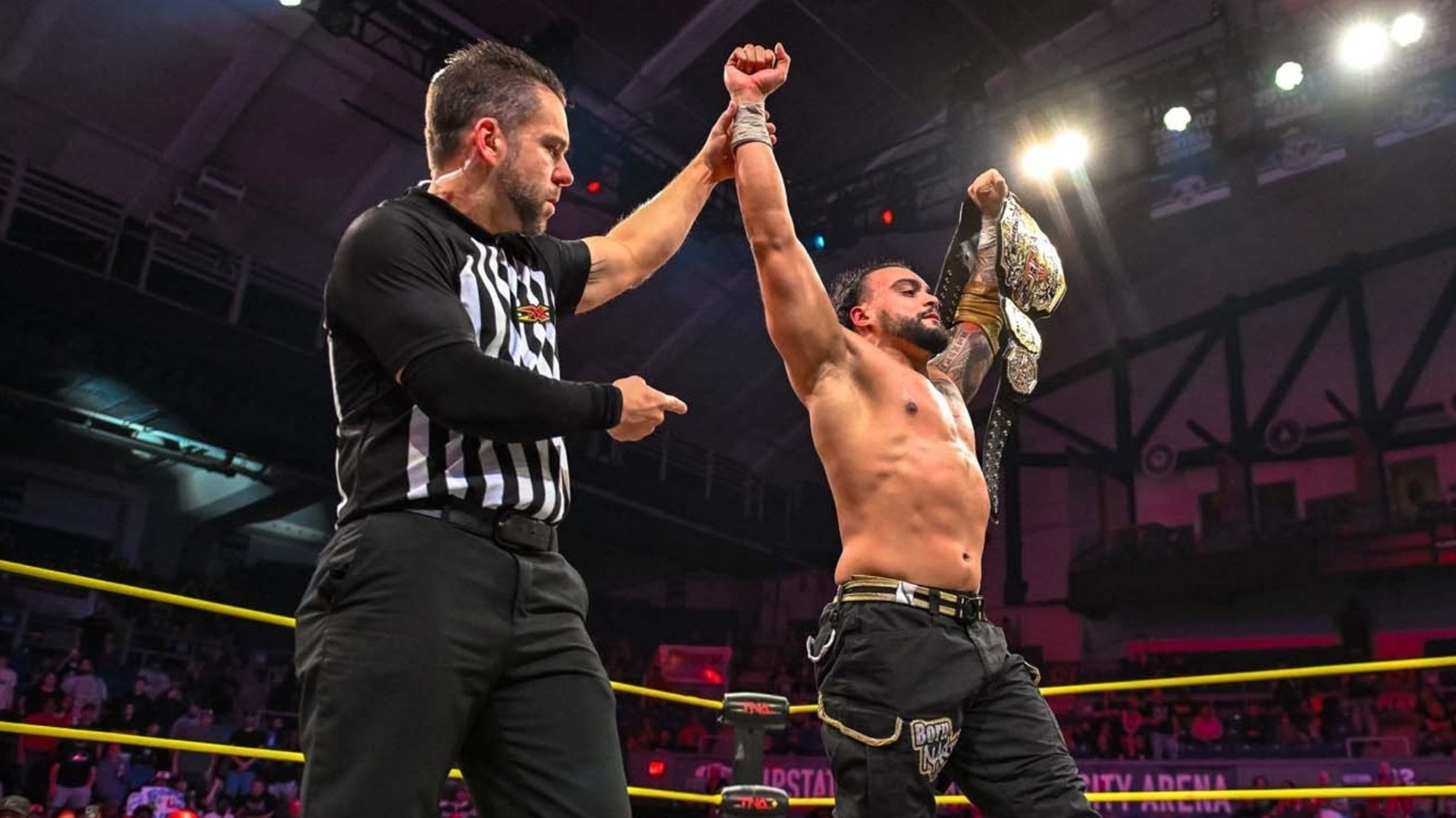
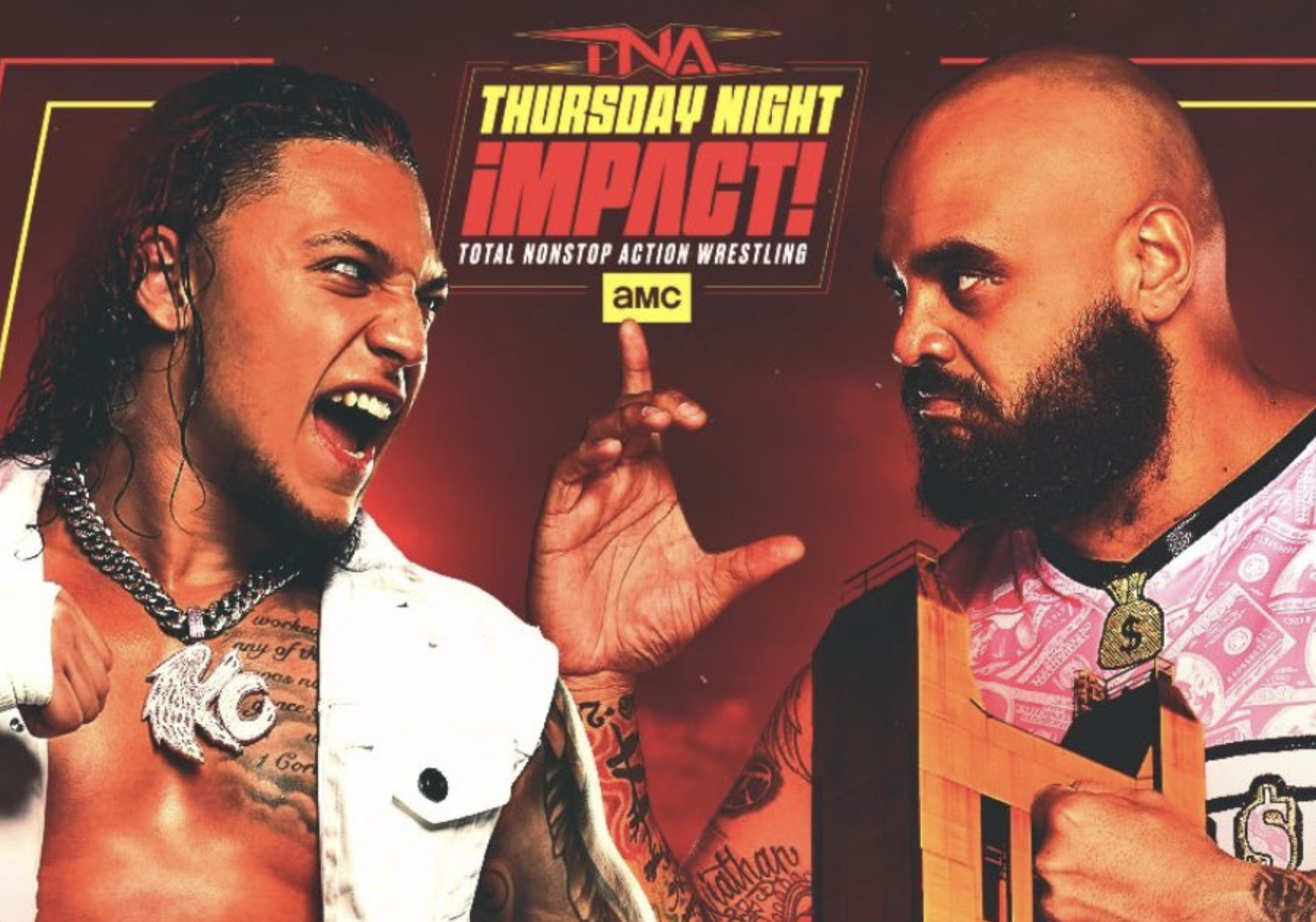
Similarly, the integration of Daria Rae and Mike Santana shows promise. Santana has the intensity to anchor the upper card. He cuts promos with a raw, believable edge. But he needs opponents who treat the sport seriously. If he gets dragged into the comedy vortex, his momentum will stall entirely.
The math problem going forward
TNA is now roughly 18 weeks into its AMC run, and the novelty factor is gone. They are no longer getting viewers just because it is a new channel. They have to earn them week by week.
To reverse this trend, management needs to take a hard look at their quarter-hour retention data. Gimmicks that confuse the live crowd will absolutely hemorrhage television viewers. If they don't pivot away from the dated comedy and contradictory character alignments, the May 7 numbers won't be an outlier.
They will become the baseline. Wrestling audiences are patient, but they are not masochists. TNA has the roster to put on a great television show. The question is whether the creative team can get out of their own way before the AMC experiment turns into a total failure.
The clock is ticking. The drop on May 7 is a warning shot. You can blame cord-cutting, you can blame the night of the week, but you cannot hide from bad booking. The audience is telling TNA exactly what they think of the current product. It is time to listen.