The 142 percent reach expansion and the reality of conversion
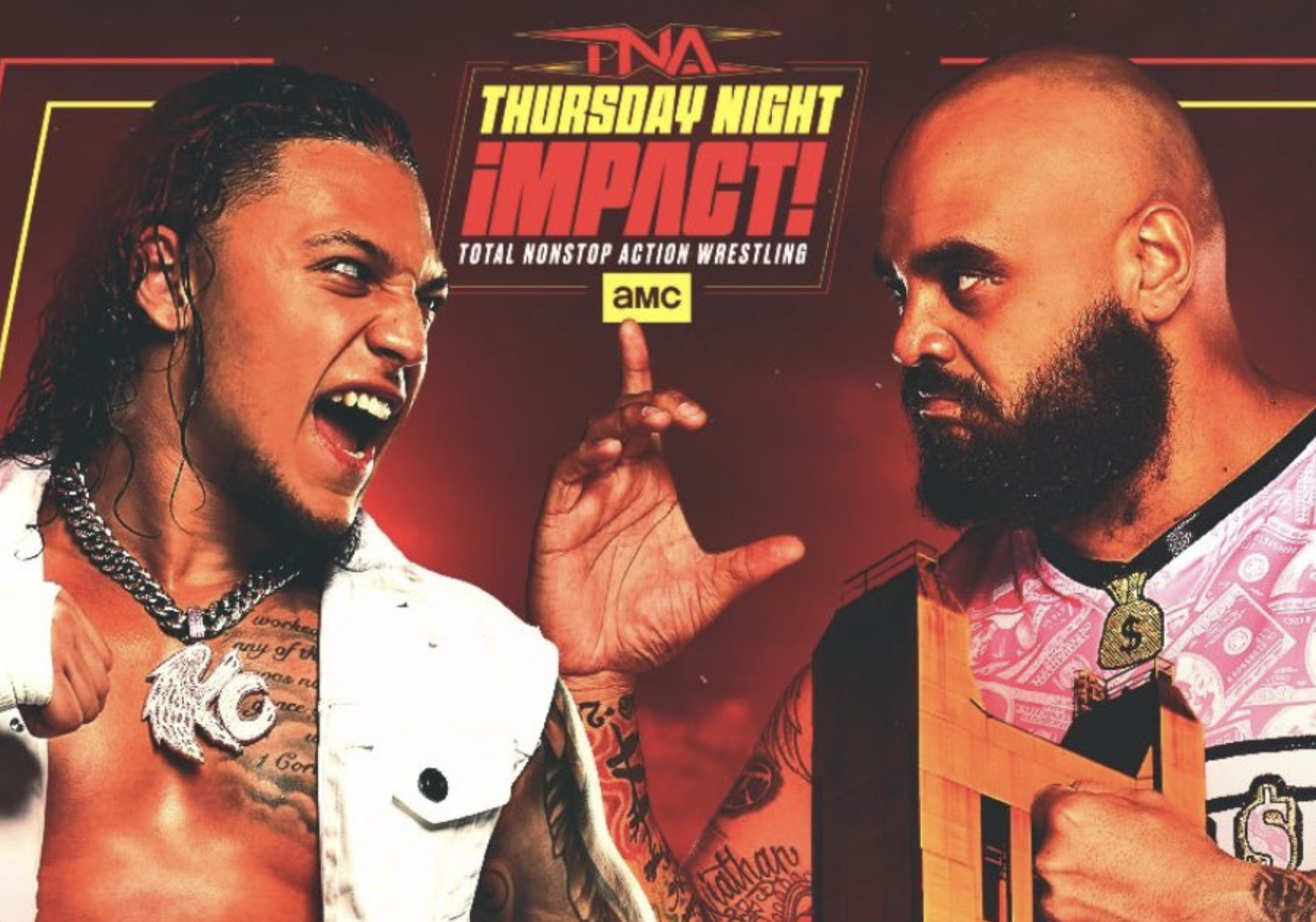
Ninety million households. That is the figure that redefined the ceiling for TNA Wrestling when they debuted on AMC Network on January 15, 2026. For nearly a decade, the promotion had been relegated to AXS TV, a niche platform with a reach of roughly 37 million homes. The jump to AMC represented a 142% increase in potential viewership overnight, but the first thirteen weeks of data suggest that availability is not the same thing as engagement.
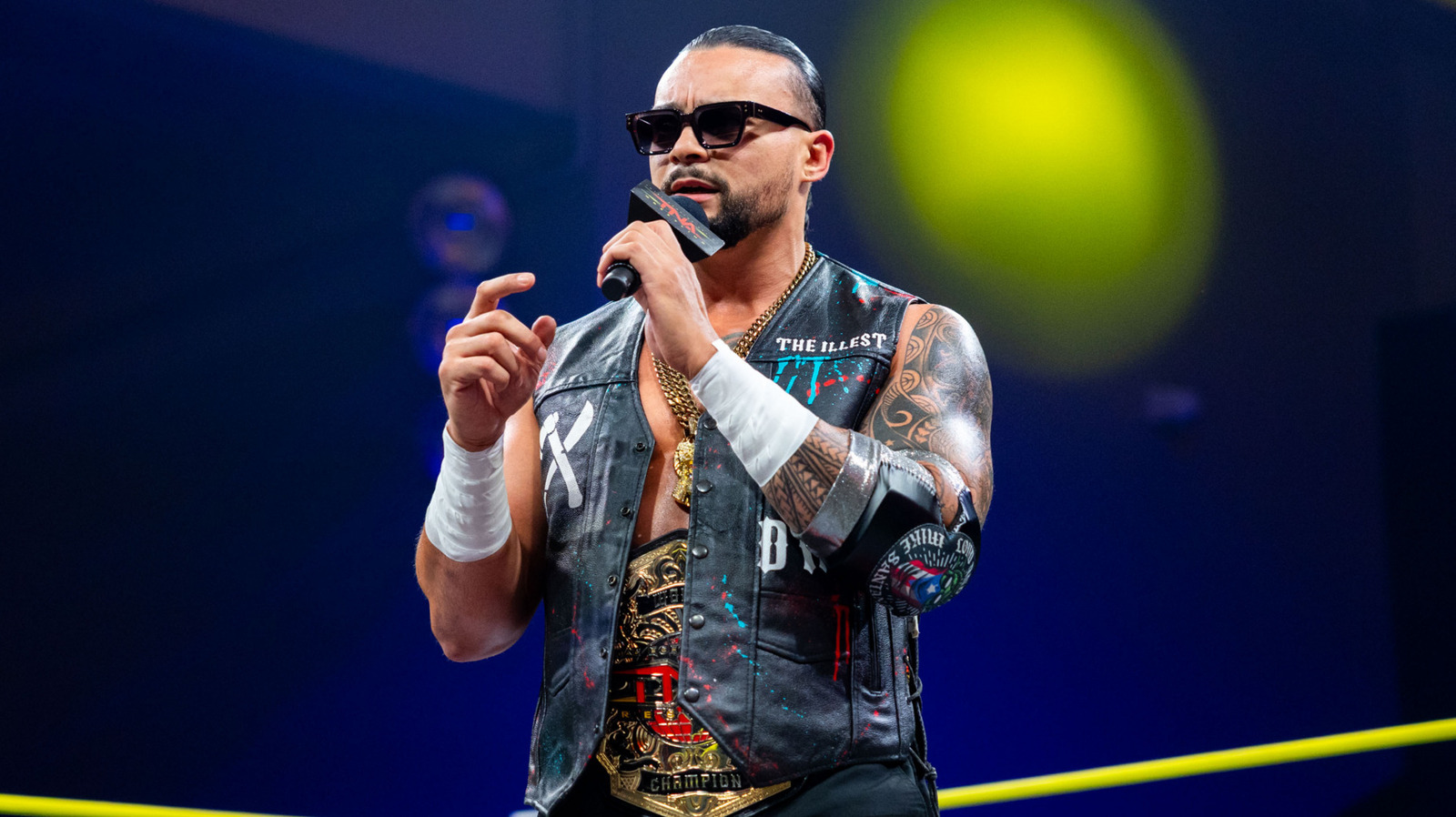
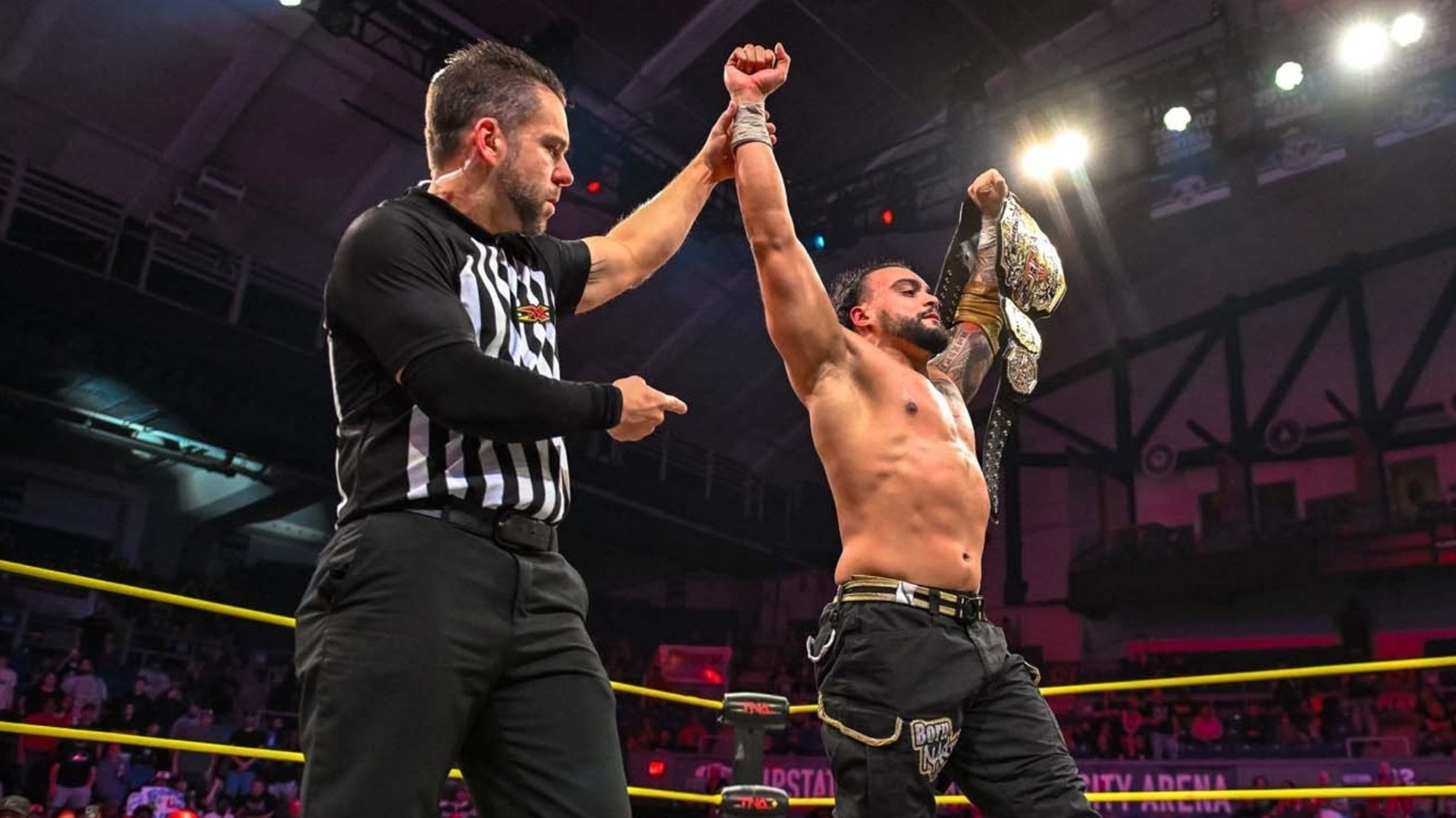
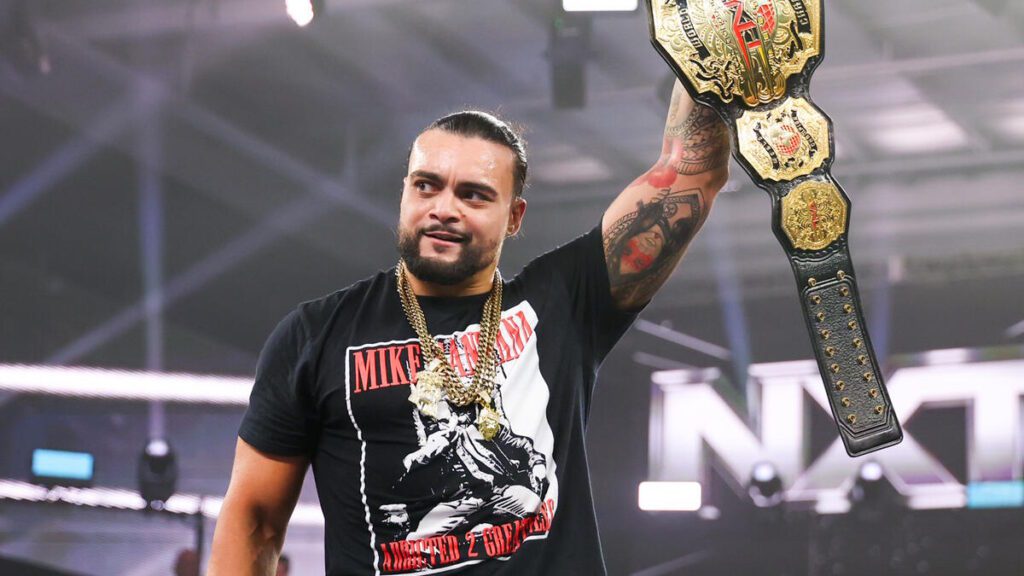
The move was designed to pull TNA out of the wrestling bubble and into the mainstream prestige TV ecosystem. AMC’s brand identity is built on high-stakes drama and cinematic storytelling. Mike Santana, currently holding the TNA World Championship, has become the literal and figurative face of this transition. While Santana has been vocal in his praise for the new locker room energy, the spreadsheets tell a more nuanced story of a promotion trying to find its footing in a crowded Thursday night block.
During the AXS TV era, a viewership of 150,000 was considered a resounding success. On AMC, the floor has naturally risen, but the ceiling remains frustratingly low. Average viewership for the 9-11pm ET slot has stabilized around 245,000. While this is a clear numerical upgrade, it represents a conversion rate of less than 0.3% of the total available AMC audience. In the world of television metrics, that is a precarious margin for a flagship show.
The Santana effect and the prestige wrestling mandate
Mike Santana was not an accidental choice to lead this era. His presentation since winning the title has been stripped of the usual wrestling theatrics, leaning instead into a gritty, urban aesthetic that aligns with AMC’s core programming. His recent interview with Denise Salcedo highlighted a champion who understands the corporate stakes. He isn't just defending a belt; he is defending a television contract that keeps several hundred people employed.
The tactical shift in match structure is evident in the minute-by-minute data. Under the AMC banner, TNA has moved away from the high-flying 'X-Division' sprints that defined their early years. Instead, we are seeing longer, psychology-heavy main events. Santana’s matches now average 18 minutes of bell-to-bell time, a 22% increase compared to his previous title runs. This is a deliberate attempt to retain the 'Breaking Bad' or 'Better Call Saul' viewer who might be flipping channels looking for a specific type of tension.
However, the data shows a worrying trend in the second hour of the broadcast. While the 9:00 PM start often benefits from a strong lead-in—frequently a classic action film or a rerun of a prestige drama—the 10:15 PM quarter-hour has seen a consistent 28% drop-off in total viewership. Fans are tuning in to see the spectacle but aren't staying for the payoff. This 'hour-two sag' is the primary hurdle for the creative team heading into the summer months.
The AMC+ digital black hole and the streaming gap
Linear television numbers are only half the battle in 2026. TNA's strategy relies heavily on the 'TNA+' and 'AMC+' apps, but the lack of transparency in streaming data creates a speculative environment. We know that the iMPACT! premiere on January 15 was the most-watched sporting event in the history of the AMC+ app, but 'most-watched' is a relative term in a sea of scripted content. Without hard numbers, it is difficult to determine if the digital audience is offsetting the linear stagnation.
One surprising finding in the social engagement metrics is the geographic shift in the fanbase. Since the move, TNA has seen a 14% uptick in engagement from metropolitan markets like New York and Chicago, areas where AXS TV often struggled with cable placement. This suggests that the brand is finally reaching the 'cord-cutter' demographic that consumes AMC content via digital bundles. Santana’s personal branding as a New York native plays directly into this statistical pivot.
The Thursday night squeeze and the 18-49 demo battle
Thursday nights are the most competitive real estate in sports entertainment. TNA is currently fighting for the 0.06 rating in the 18-49 demographic. While this is three times higher than their AXS TV average, it still places them behind almost every other major sporting broadcast on the night. The pressure to innovate is constant, and the room for error is nonexistent.
The critical observation here is the lack of a 'third-party' hook. While Santana is a phenomenal athlete and a believable champion, the promotion lacks a secondary antagonist or a cross-over star that can bridge the gap between wrestling fans and general AMC subscribers. The current roster is technically proficient, but the numbers show they are preaching to the converted rather than expanding the flock. A 92% retention rate among 'hardcore' fans is impressive, but it won't satisfy AMC executives who are used to million-plus audiences.
Looking at the trajectory from January to April, the growth curve has flattened. The initial 'novelty' spike of the move has worn off, and TNA is now in the 'grind' phase of their television cycle. To reach the next tier—the 400,000 viewer mark—they will need more than just Mike Santana’s charisma. They need a structural overhaul of how the second hour is paced to prevent the massive 10:00 PM exodus that currently haunts their internal reports.
The financial reality of the AMC licensing deal
We have to talk about the overhead. Producing two hours of high-definition television every week from various locations is a logistical nightmare that costs TNA roughly $140,000 per episode. When they were on AXS (which is owned by the same parent company, Anthem), those costs were largely internal. On AMC, the promotion is a tenant. They are paying for the privilege of the reach, and the ad revenue from a 0.06 demo rating does not always cover the bill.
The strategy seems to be a 'loss leader' model. TNA is willing to lose money on the television production to drive traffic to their live events and merchandise stores. Since January 15, live event ticket sales have increased by 35%, particularly in the mid-Atlantic region. This is the 'Santana Bump.' People see him on a major network and decide that a $40 ticket to a local arena is a worthwhile investment. It is a traditional model being applied to a modern media landscape.
Ultimately, the move to AMC has been a success if you measure it by visibility, but a warning if you measure it by sustainability. TNA is no longer the 'little engine that could' hidden on a deep-cable channel. They are now playing in the big leagues, and the big leagues demand growth that doesn't just come from switching channels. They need to turn that 142% reach increase into a 142% audience increase, or the 'prestige' era of TNA might be a very short chapter in the history books.
Read Next