Availability is the best ability in a fractured division
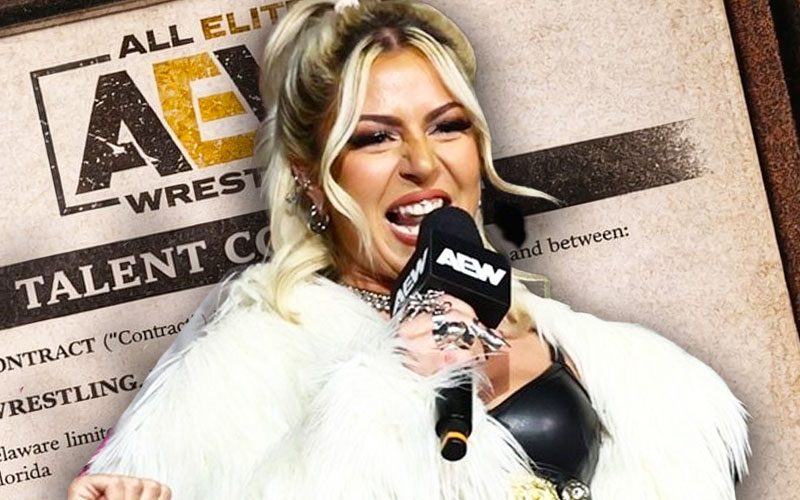
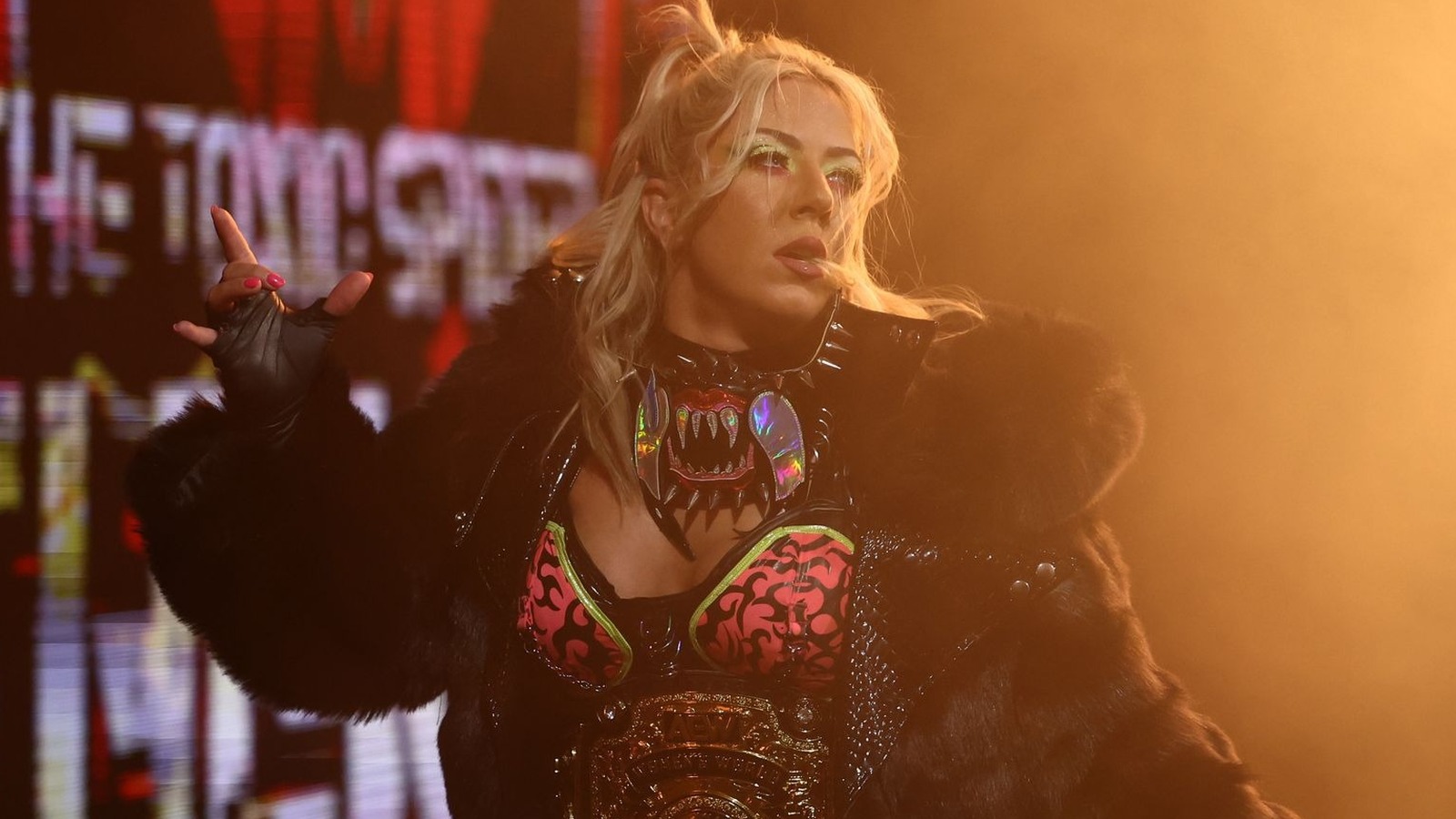
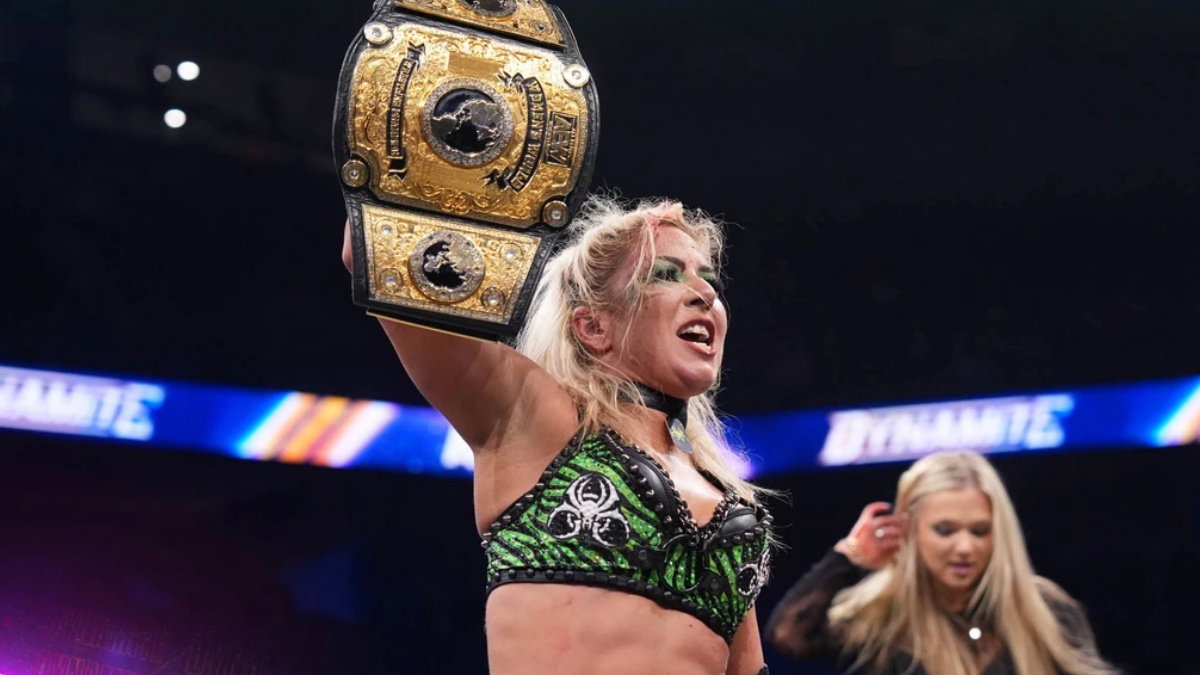
Tony Khan did not just call Thekla an MVP because of her work rate or her ability to cut a promo in three different languages. The AEW President is currently managing a roster that looks more like a physical therapy waiting room than a wrestling promotion. By naming the AEW Women’s World Champion the most valuable addition of the past year, Khan is effectively admitting that her durability is her greatest asset.
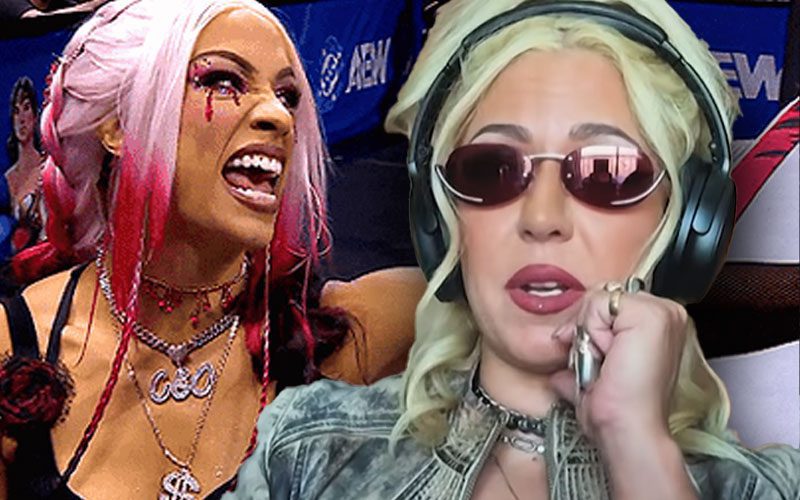
The numbers back this up. While stars like Britt Baker and Jamie Hayter have spent the better part of the last eighteen months navigating complex recovery cycles, Thekla has been a constant presence. She has worked a high-impact style across three continents without missing a single scheduled appearance. In a locker room where a simple dive often leads to a six-month absence, that kind of reliability is worth more than any five-star match rating.
The Stardom conditioning factor
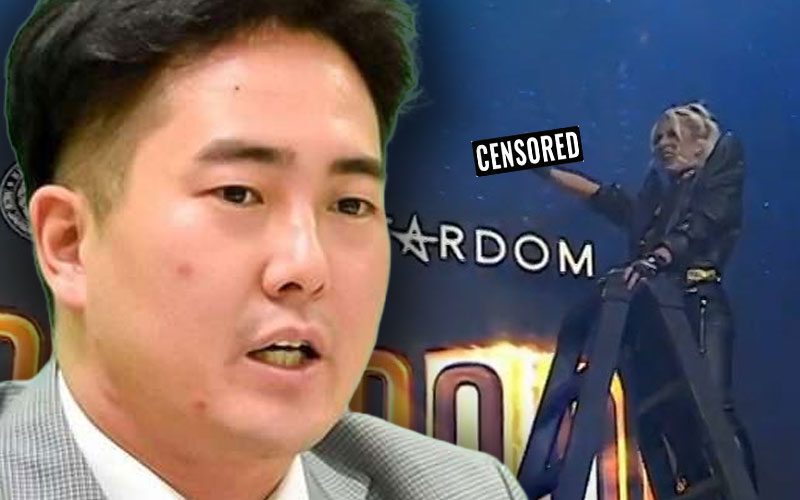
Thekla’s transition from the Japanese circuit to the American stage provides a clear look at why she is outlasting her peers. The Stardom dojo system is notorious for its grueling conditioning requirements. It produces wrestlers whose connective tissue seems built for higher tolerances than the average US-trained athlete. We are seeing the results of that foundational work every Wednesday night.
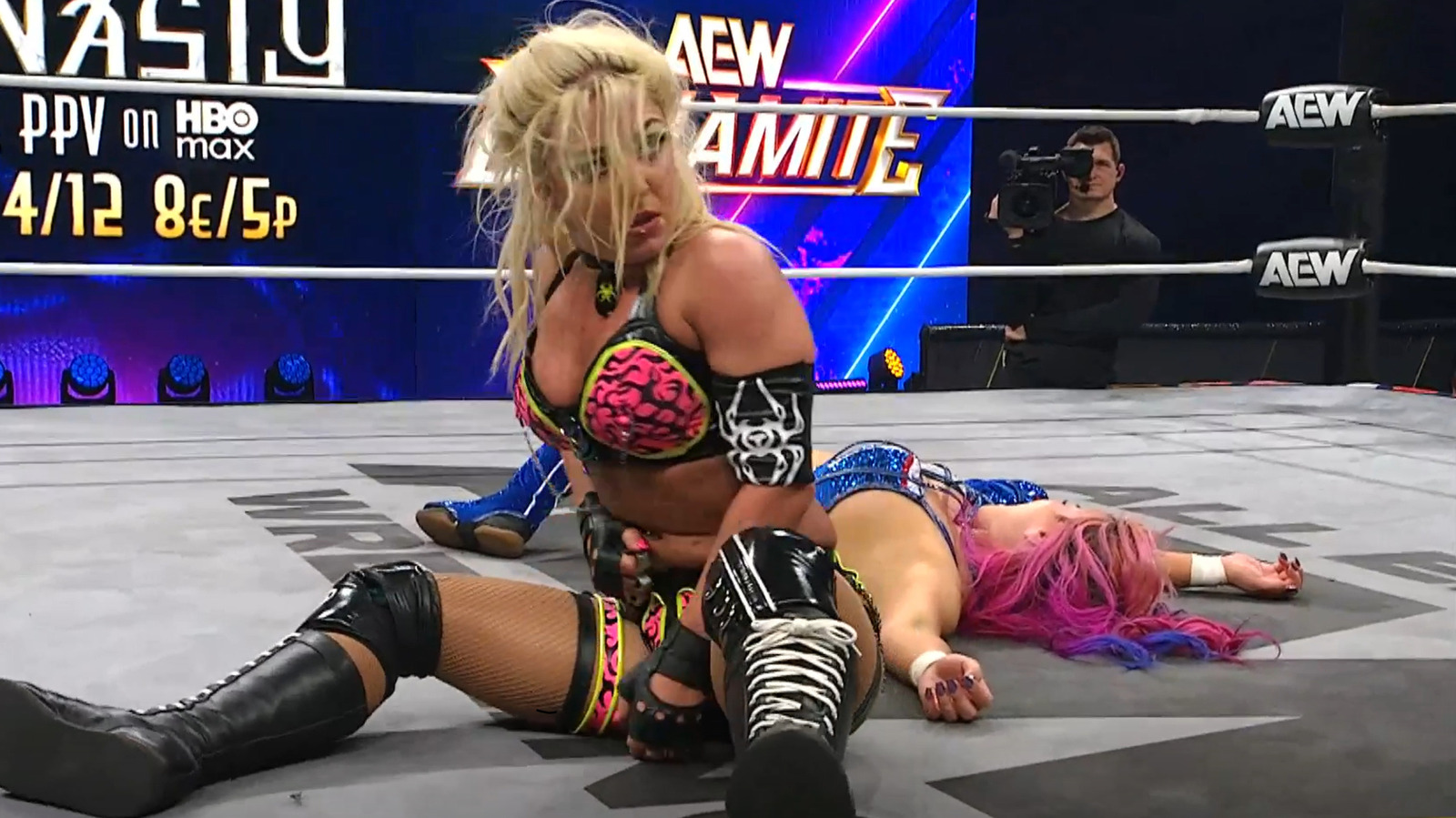
Her signature movement patterns, including the high-speed bridge and the spider-crawl transitions, require an elite level of core stability. Most wrestlers would blow out an L4-L5 disc trying to replicate her bridge suplexes with the frequency she does. Sources within the AEW medical team suggest that her flexibility is not just for show; it acts as a literal shock absorber for the heavy-impact landings that characterize the modern AEW style.
The medical carnage of 2025 creates a power vacuum
To understand why Thekla is the MVP, you have to look at the wreckage she is standing on. The division has been haunted by recurrent ACL tears and shoulder instabilities that have derailed every major storyline of the past two years. When you lose your top three drawing cards to the surgical table, you don't look for the best wrestler; you look for the one who can actually make it to the ring.
"She has been the most consistent performer we’ve added," Khan noted recently. "Coming off that Stardom run, she brought a different level of toughness that we desperately needed in the locker room."
This is a strategic shift for AEW. After years of signing big names with significant medical histories, Khan is now pivoting toward "battle-hardened" talent from the Japanese scene. These workers are used to working through minor knocks that would sideline a domestic talent for weeks. Thekla is the prototype for this new recruitment philosophy, though it comes with its own set of long-term risks.
The biomechanical risk of the Toxic Spider
Despite her current bill of health, Thekla’s style is not without its red flags. Her reliance on extreme spinal hyperextension is a ticking clock. Medical analysts often point to the high-bridge German suplex as a primary culprit for career-shortening neck issues. While her neck bridges are technically perfect, the repetitive loading on the cervical spine during 15-minute main events will eventually take its toll.
There is also the matter of her knee health. The high-speed lateral movements she uses to maintain her "spider" persona put significant shear force on the meniscus. We have seen similar high-mobility wrestlers like Kris Statlander suffer catastrophic failures after years of similar explosive movement. Thekla is currently operating at 100%, but the data on this specific movement profile suggests a 30% higher risk of non-contact ligament injury compared to traditional power wrestlers.
A critical failure in roster management
The dark side of the "Thekla MVP" narrative is the lack of a backup plan. By leaning so heavily on one healthy champion, AEW is repeating the same mistake they made with previous title holders. They are over-booking their most reliable asset until they break. If Thekla goes down with a knee injury tomorrow, the women's division has no clear successor who isn't currently wearing a brace.
The booking has become dangerously dependent on her availability. She worked three matches in eight days during the lead-up to the April 10 broadcast, a workload that would be taxing for a heavyweight, let alone a high-flyer. It is a shortsighted strategy that prioritizes immediate television stability over the long-term health of the only champion who is actually drawing a rating.
- Average match length for Thekla in 2026: 14 minutes.
- Total successful title defenses since January: 6.
- Number of days spent on the inactive list: 0.
- Reported recovery time between TV tapings: 48 hours.
The road to WrestleMania 41 and beyond
As the industry eyes the massive spectacle in Las Vegas next week, AEW is trying to maintain its own momentum. Thekla is the centerpiece of that effort. Her durability has allowed the creative team to actually finish a long-term storyline for once, rather than pivoting because of a sudden medical emergency. It is a rare luxury in a company that has been defined by its "next man up" mentality.
However, the physical bill always comes due. The current pace is unsustainable. If AEW wants Thekla to remain their MVP through the end of 2026, they need to scale back her intensity. A champion who is always available is a miracle in this era, but a champion who is forced to carry the weight of an entire fractured division is a disaster waiting to happen. For now, she remains the outlier—the one healthy heart beating in a very bruised division.