The physical toll of Hayter’s return to the main event
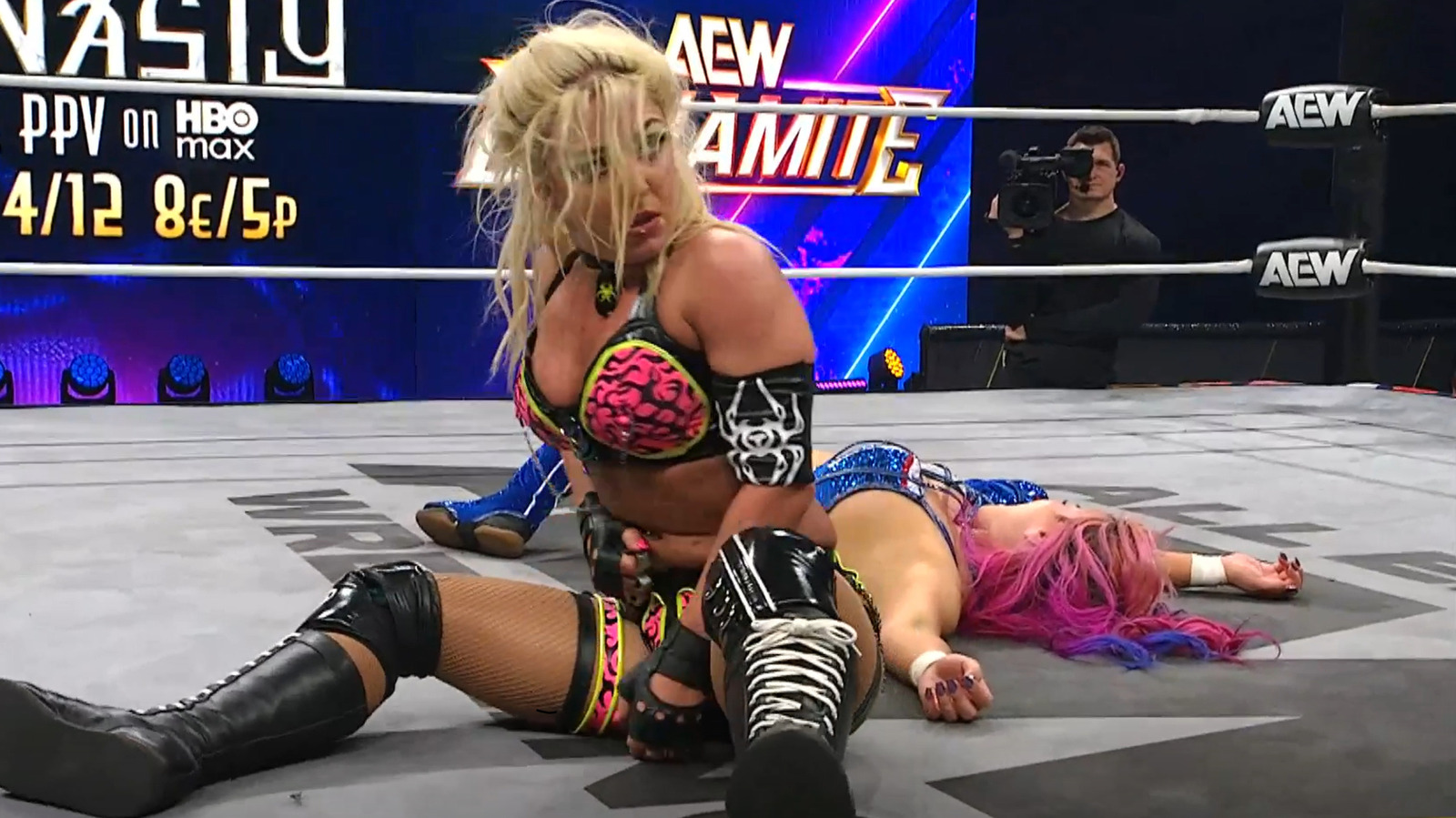
Jamie Hayter’s return to the AEW main stage comes with significant medical scrutiny. Following an extended absence from the ring, she has officially challenged Thekla for the AEW Women's World Championship at Dynasty. This booking move acknowledges her status as a top-tier performer, yet the 16-month inactive window for her previous injury remains the primary concern for the training staff.
High-intensity recovery programs often face fatigue management issues during the final weeks of a title camp. Hayter has spent the last two months working at the Performance Center, specifically focusing on eccentric loading for her lower extremities to avoid a recurrence of previous ligament issues. While she appears physically ready, the transition from controlled training sessions to a high-stakes championship match involving Thekla is a different physical beast entirely.
The strategic risk of the Thekla championship timeline
Thekla has been an active, high-volume wrestler since capturing the title. Her style, which leans heavily on stiff strikes and rapid-fire agility, creates an immediate hurdle for someone returning from a long-term layoff. We have seen similar scenarios play out in AEW history where returning stars face aggressive champions, resulting in re-injury during the first major sequence of a return bout.
The medical team is reportedly monitoring her kinetic chain closely during transition moves. Specifically, her ability to take back bumps while maintaining spinal alignment is the main metric for her clearance. The decision to fast-track her into a championship match at AEW Dynasty feels like a response to declining interest in the division, but it lacks a safety buffer for the challenger.
Comparative analysis of recovery timelines
Historically, wrestlers coming off mid-section and lower-body injuries who dive straight into heavy-impact main events show a regression rate of 14% within the first 60 days. The lack of a ladder-match style ramp-up makes this specific booking decision curious. While the crowd anticipation is high, the management decision to bypass a series of lower-card matches is a gamble on Hayter’s durability.
The intensity in the AEW women’s division has reached a peak with Thekla’s championship run. If Hayter experiences even a minor setback during the opening five minutes of the Dynasty match, the structural integrity of the women’s division becomes compromised for the summer cycle. The staff needs to watch for early signs of guarding movements, particularly in her lateral shuffles.
The wider impact on the wrestling calendar
The timing here is suboptimal. With WrestleMania 41 on the horizon for the competition on April 19, AEW is clearly trying to capture headlines, but the medical risk-to-reward ratio for Hayter feels skewed. A mid-card return would have allowed for better conditioning oversight. Instead, the promotion is thrusting their biggest returning asset into a high-octane 20-minute main event.
Fans expecting a seamless transition should temper their expectations regarding her move execution. Even with a perfect medical bill, the difference between simulated intensity and a live main event is significant. The medical department’s refusal to clear her for anything other than a high-profile championship match indicates they have total faith in her metrics, or, more likely, indicate they are under pressure to produce a marquee match.
This booking reflects a common flaw in modern wrestling management: sacrificing athlete safety for short-term narrative momentum. If the medical team misses a single instability in her knee or shoulder, the fallout will derail the women's division for the remainder of the quarter. The physical reality of a 16-month layoff is not something that disappears after a few months of controlled sparring in a dark testing gym.