The friction point in Japanese wrestling dynamics
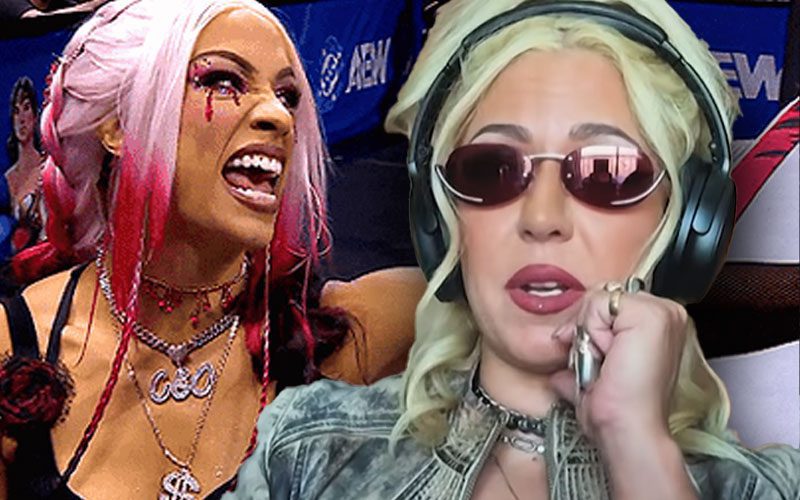
The latest commentary surrounding the industry's international pipeline centers on the divergent paths of Thekla and Mercedes Moné. While Moné became a fixture of high-profile broadcasts, Thekla recently voiced sharp frustration regarding the legitimacy of their respective tenures in Japan. This isn't just a difference of opinion; it is a fundamental clash of philosophies between an independent spirit and a corporate-backed superstar.
Thekla’s critique, as recently reported during her discussion with TMZ, suggests that the grind of the Japanese circuit provides a distinct form of combat seasoning. She argues that the time requirement and technical rigor inherent to Stardom and smaller independent circuits generate a level of toughness that cannot be replicated through status alone. This public pivot places Thekla at the center of a potential recruitment battle.
The AEW fit and booking friction
Tony Khan needs genuine, hardened character depth in the All Elite Wrestling women's division. The current roster often leans on recognizable faces, but it lacks the unpredictable, grimy edge that a performer like Thekla brings to the ring. Her style—a mix of high-speed technical grappling and an uncompromising attitude—would provide a stark contrast to the more polished, television-ready presentation found in other stables.
However, adding Thekla to an already bloated roster presents a significant booking hurdle. The company has historically struggled to balance screen time for its mid-card veterans, often burying talent in favor of short-term marquee feuds. For Thekla to succeed in a promotion like AEW, the creative team would need to move away from the vignette-heavy, slow-burn introductions that frequently lose momentum after three weeks. She works best when the bell rings immediately.
Source credibility and risk assessment
Information on Thekla’s future remains largely speculative, grounded primarily in her own desire to showcase her credentials on a broader stage. She has spent years refining her craft in international rings, often in front of smaller, dedicated crowds that value technical proficiency over large-scale production values. There is no confirmed contact with executive management, though the rumors of her North American expansion have reached a fever pitch following her recent media appearances.
The risk here is one of cultural translation. If she is brought in just to serve as a foil for bigger stars, her reputation as a grappler who doesn't cut corners will dissipate rapidly. Fans follow her because of her authenticity. Stripping that away for an AEW script could turn a potentially elite signing into a generic addition to the Dark or Rampage archives. That is a mistake the company makes far too often with incoming talent.
Probability and timeline
The probability of this deal crossing the finish line within the next six months is moderate. AEW remains aggressive in its recruitment strategy, and Thekla represents the type of hungry, international talent that historically fits the Tony Khan checklist. If a formal offer is made, expect a quick resolution. She has made it clear that she is ready to move onto the next phase of her professional evolution.
We are looking at a potential late-year debut if the parties align on booking philosophy. She would be an immediate threat to champions, provided she arrives with a mission statement rather than just another locker room slot. If she signs, the impact on the division's internal hierarchy would be immediate. Her presence would force current leaders to improve their wrestling output under threat of being outworked on the mat.
Ultimately, the move boils down to whether Thekla wants to trade her independence for a massive spotlight. AEW offers the reach she currently lacks, but the work culture in the United States is vastly different from the Japanese circuits that forged her reputation. The tension between those two worlds is exactly why fans are paying attention. It is a classic matchup of pure wrestling pedigree against the industrial machinery of modern television.