The benchmarks of a transitionary era
Professional wrestling evolution is measured by specific, granular shifts in booking and talent reception. These ten moments represent the inflection points where the industry changed its internal logic or external perception.
- 1. The New Day Heel Turn (2015)
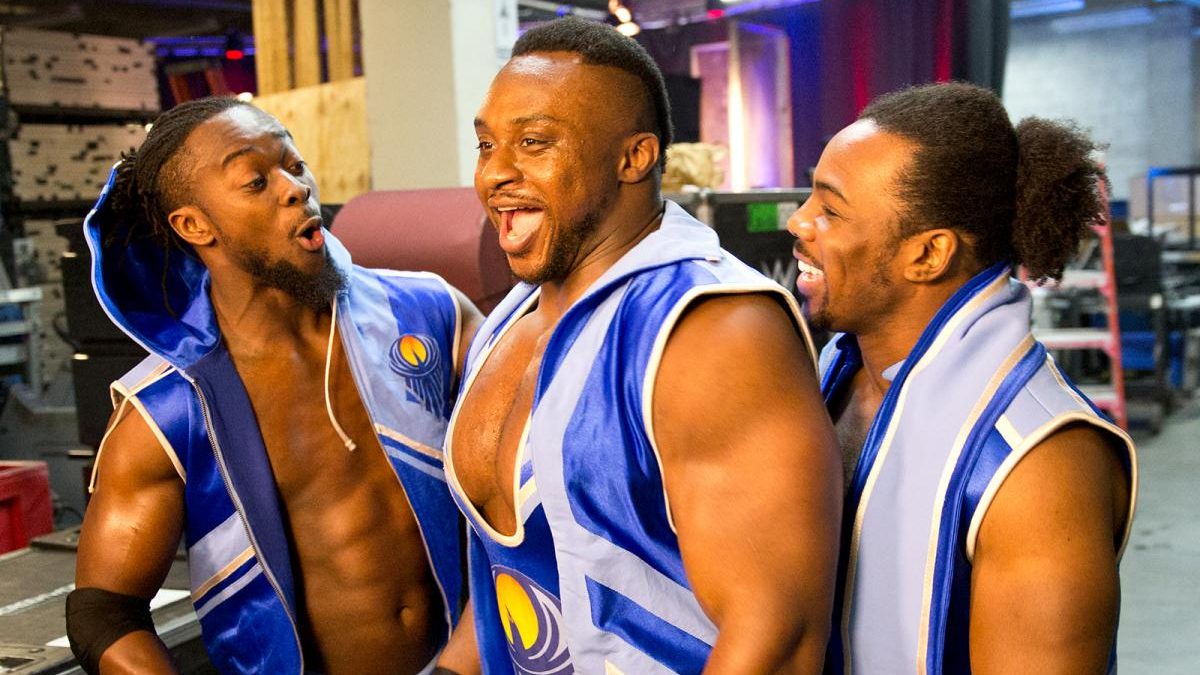
After a lukewarm babyface debut, The New Day pivoted to a heel act that prioritized meta-humor and genuine chemistry. Big E has since credited their 2015 evolution to high-intensity programs with Cesaro and Tyson Kidd, noting that working against technically gifted workers allowed them to find their vocal rhythm. It sits at number one because it proved that failing gimmicks can be salvaged by sheer force of personality rather than creative mandates. Without this pivot, the most successful faction of the last decade simply disappears into the mid-card void.
- 2. CM Punk’s Marathon Training Shift (2026)
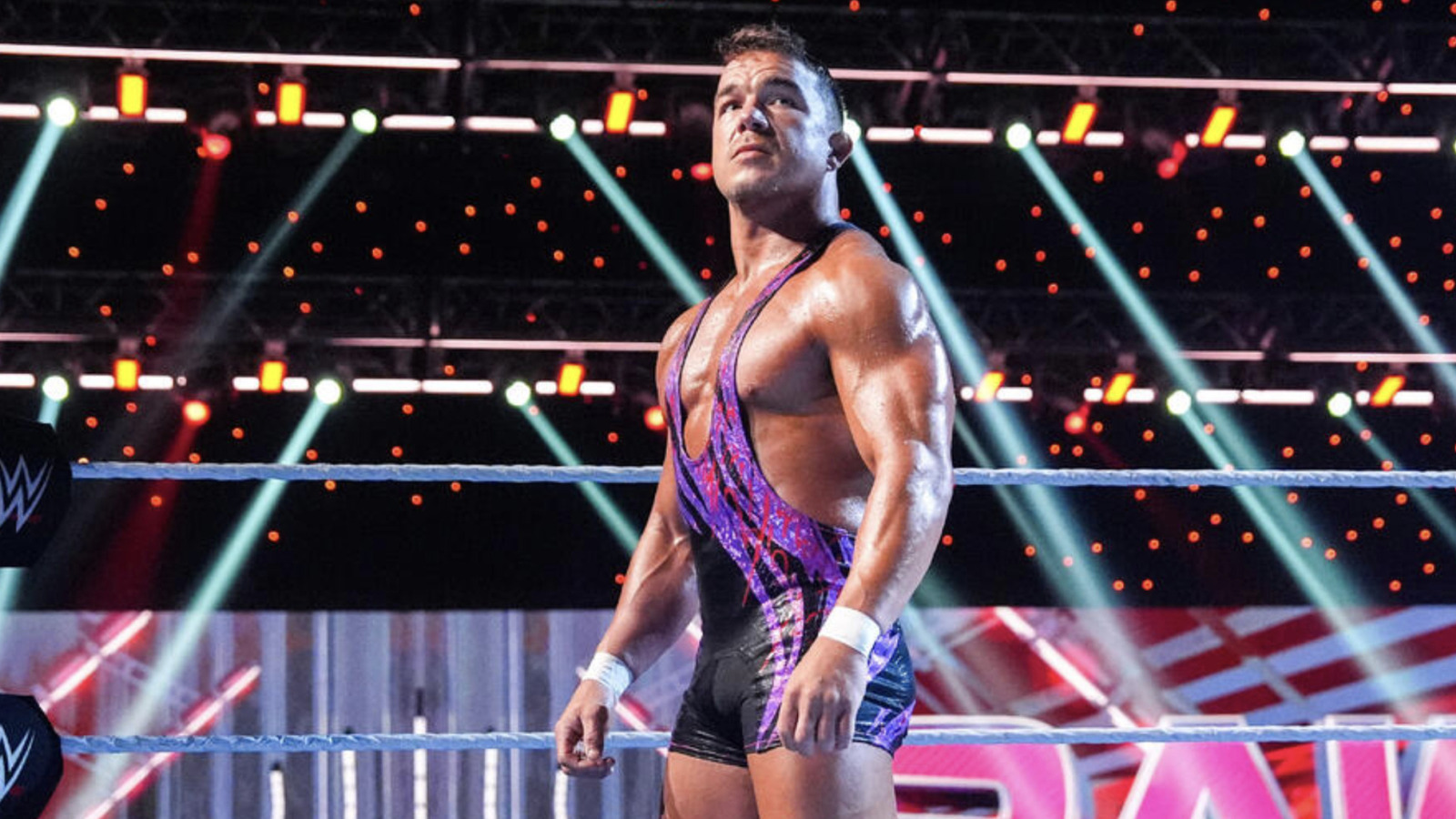
CM Punk’s 2026 transition into endurance-based cardio over traditional weight lifting signals a harsh break from the bodybuilding-centric training protocols of the modern era. By prioritizing long-distance work, Punk is essentially betting that modern longevity hinges on cardiovascular health rather than aesthetic mass. It ranks high because it forces the performance center to reckon with a new athlete profile. Even if critics argue this might decrease his aesthetic impact on television, it is an undeniable attempt to sustain his physical viability at the top of the card.
- 3. AJ Styles Proposes Japan Acquisition
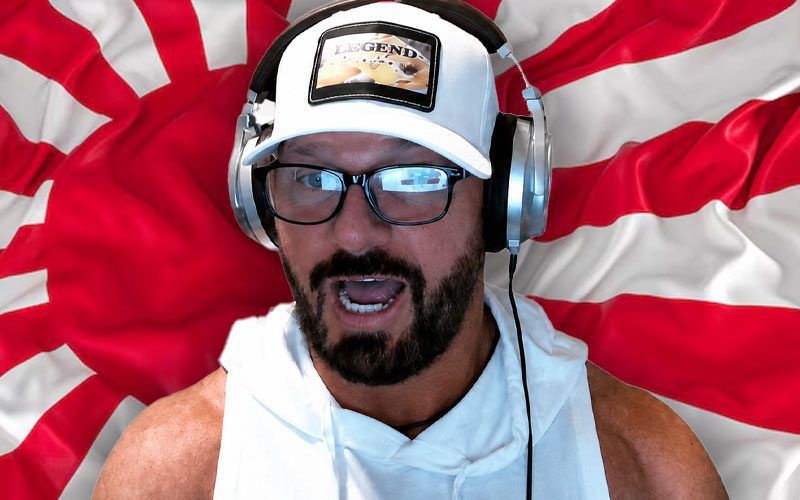
AJ Styles recently shifted the conversation regarding global expansion by publicly advocating for WWE to buy an established Japanese promotion. This is a massive departure from the previous "conquer from within" methodology. Styles is a veteran who understands that market saturation requires local credibility rather than just a touring presence. Whether management listens is secondary; the fact that a top-tier performer is openly discussing M&A strategy indicates just how thin the talent pool has become globally.
- 4. The Rise of The Bloodline (2020)
Roman Reigns returning at SummerSlam 2020 and immediately pivoting to a heel persona reset the entire main event structure. It provided a clear, top-down hierarchy that had been missing since the Brock Lesnar era of 2018. The storytelling discipline here was clinical, focusing on family trauma rather than generic title hunting. It deserves this spot for correcting a five-year booking trajectory that was spinning in circles.
- 5. The Women’s Evolution Main Event (WrestleMania 35)
Becky Lynch, Charlotte Flair, and Ronda Rousey closing the show in 2019 was a symbolic mandate that finally matched the product's actual quality. Lynch’s rise, fueled by the viral image of her bloodied face, made the decision unavoidable for the office. It sits mid-pack only because the match itself struggled to live up to the massive emotional expectations established by the build. Still, the outcome reshaped how women were positioned on cards for the next five years.
- 6. Cody Rhodes Returns (WrestleMania 38)
The return of Cody Rhodes in 2022 marked the end of the "niche" era and signaled a massive shift in how WWE views performers who established their value elsewhere. By allowing Rhodes to keep his music, name, and persona, the company admitted that the "homegrown only" philosophy was obsolete. It is a critical moment for talent agency, even if the subsequent booking of his title run was occasionally disjointed.
- 7. The Performance Center Opens (2013)
The standardization of training in Orlando effectively ended the territory system's final vestiges. While it produced absolute stars like Seth Rollins, it also homogenized the in-ring style to a fault, leading to a decade of "samey" televised matches. This ranking reflects the duality: it created a factory of talent but sacrificed the regional diversity that defined wrestling for decades.
- 8. Edge’s Royal Rumble Return (2020)
Edge stepping into the square circle in 2020 was a statistical outlier for career longevity after a decade of retirement due to neck issues. His run proved that insurance and medical advancements had fundamentally changed the retirement math for veterans. It deserves this spot for the sheer shock value, though arguably, it blocked younger talent from getting that specific spotlight for consecutive years.
- 9. The Formation of the Shield (2012)
Debuting at Survivor Series, the trio turned the tide of the early 2010s by introducing a gritty, tactical aesthetic that rejected the cartoonish characterizations of the time. They were the original answer to the desire for a modern, realistic act. Their impact is somewhat dampened by the fact that the company took years to fully capitalize on their individual potential.
- 10. The 2016 Brand Split Revamp
Splitting the rosters during a talent glut forced the hand of creative to develop depth. While it led to some thin cards in 2017 and 2018, it forced upper-midcard guys into main event slots they otherwise would never have touched. It ranks tenth because it is essentially a structural pivot rather than a singular emotional touchpoint, yet its impact on the daily operations of the sport is impossible to ignore.
The Big Picture
These moments track the evolution of a company trying to reconcile its past with a hyper-digital, global future. As Wrestletalk reported, the internal lessons of 2015 are still being applied to how talent manages their own growth today. The industry is currently moving away from brute strength and towards longevity and market strategy.
Honorable Mentions: The launch of the WWE Network in 2014, The Undertaker’s streak ending at 21-1, and the 2016 return of Goldberg.