The High-Stakes Shifts in Professional Wrestling
The business is currently undergoing a structural transformation brought on by massive capital influx and aggressive talent acquisition strategies. Today's list identifies the specific inflection points that forced promoters to reorganize their rosters and negotiate new long-term financial reality for top-tier athletes.
The Ranking: Moments That Changed the Game
The AEW Inception Announcement
Tony Khan’s decision to commit his resources to a secondary national promotion changed the baseline for professional wrestling contracts. This wasn't merely a business expansion; it shattered the monopoly that dictated performer compensation for two decades.
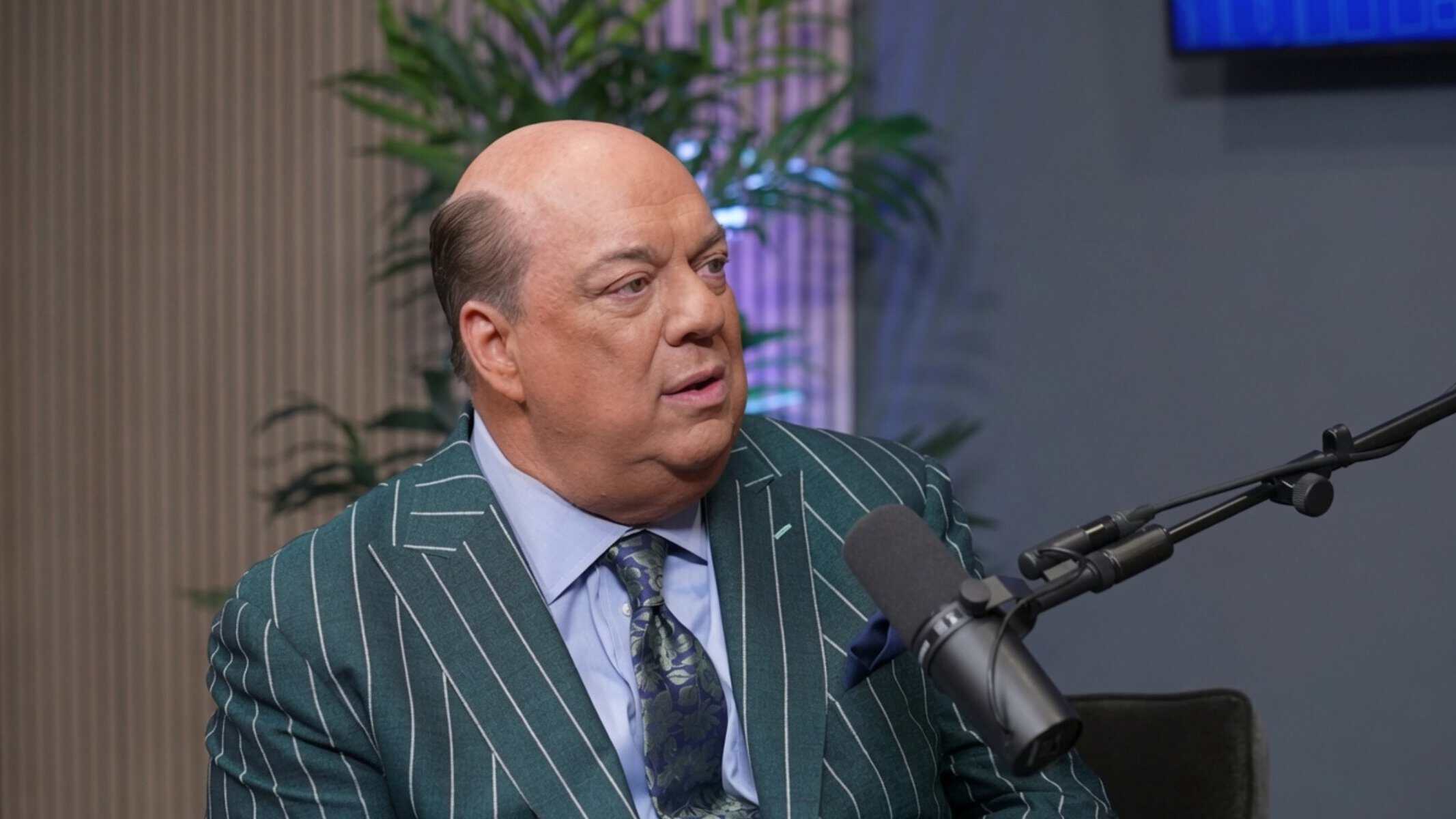
Paul Heyman's Praise for Competition
As reported recently by WrestlingNews.co, Paul Heyman noted he is glad AEW exists. His insight highlights how the sudden availability of a billionaire's checkbook forced the industry leader to elevate pay scales to keep talent under contract.
The CM Punk Return in Chicago
The atmosphere inside the United Center when Punk stepped back into the industry was a rare collision of nostalgia and genuine business intrigue. It proved that long-term absences could still drive massive gate revenue regardless of the time away from the ring.
Kenny Omega vs. Kazuchika Okada at Wrestle Kingdom 11
The 60-minute draw set a new quality ceiling that forced western promotions to reconsider their restrictive match-time philosophies. It combined high-speed striking with psychological storytelling in a way rarely seen on pay-per-view.
The Evolution of Cody Rhodes
His return to the market in a main event capacity signaled that independent-grown stars could headline major events without prior top-tier pedigree in certain companies. He bridged a gap that many thought was permanent.
The Rise of the Women’s Revolution
While the marketing was at times excessive, the transition from short showcase bouts to genuine main event fixtures changed the card construction permanently. This shift was overdue, though the booking consistency often trailed behind the talent level.
The Streaming Service Pivot
The move to digital-first distribution fundamentally altered how revenue is tracked and reported. By shifting away from traditional pay-per-view models, companies traded immediate transaction growth for consistent subscription numbers.
The Brand Split 2.0
This attempt to create competing internal rosters occasionally led to bloated television programs that lacked clear editorial direction. While it increased screen time for mid-card talent, it often diluted the stakes of championship matches.
The Forbidden Door Concept
Allowing cross-promotional appearances created immediate social media buzz, though it frequently caused more confusion than long-term engagement. Fans saw dream matchups, but the lack of follow-up on these storylines hurt the long-term impact.
The Rise of Independent Powerhouses
Watching smaller promotions gain regional television exposure forced the major players to keep a closer eye on technical wrestling talent. It became impossible to ignore the shift in fan demand toward faster, strike-heavy sequences.
The Big Picture: Sustaining the Momentum
The industry currently enjoys record-level funding, but the pressure to deliver consistent viewership has never been higher. Executives are looking for ways to maximize the talent pool while acknowledging that the current financial bubble is built on shifting media rights cycles.
Honorable Mentions
The inclusion of international talent in domestic storylines remains a work in progress. Notable mentions go to the expansion of pay-per-view events into stadium venues, as well as the increase in technical training standards across major performance facilities.