The New Reality for Indie Wrestling
PROGRESS Wrestling has entered a volatile era of ownership changes and high-stakes bookings. These ten developments track how the promotion is balancing its cult-classic roots with a bold, if risky, expansion strategy.
1. Nikki Cross and Big Damo take ownership
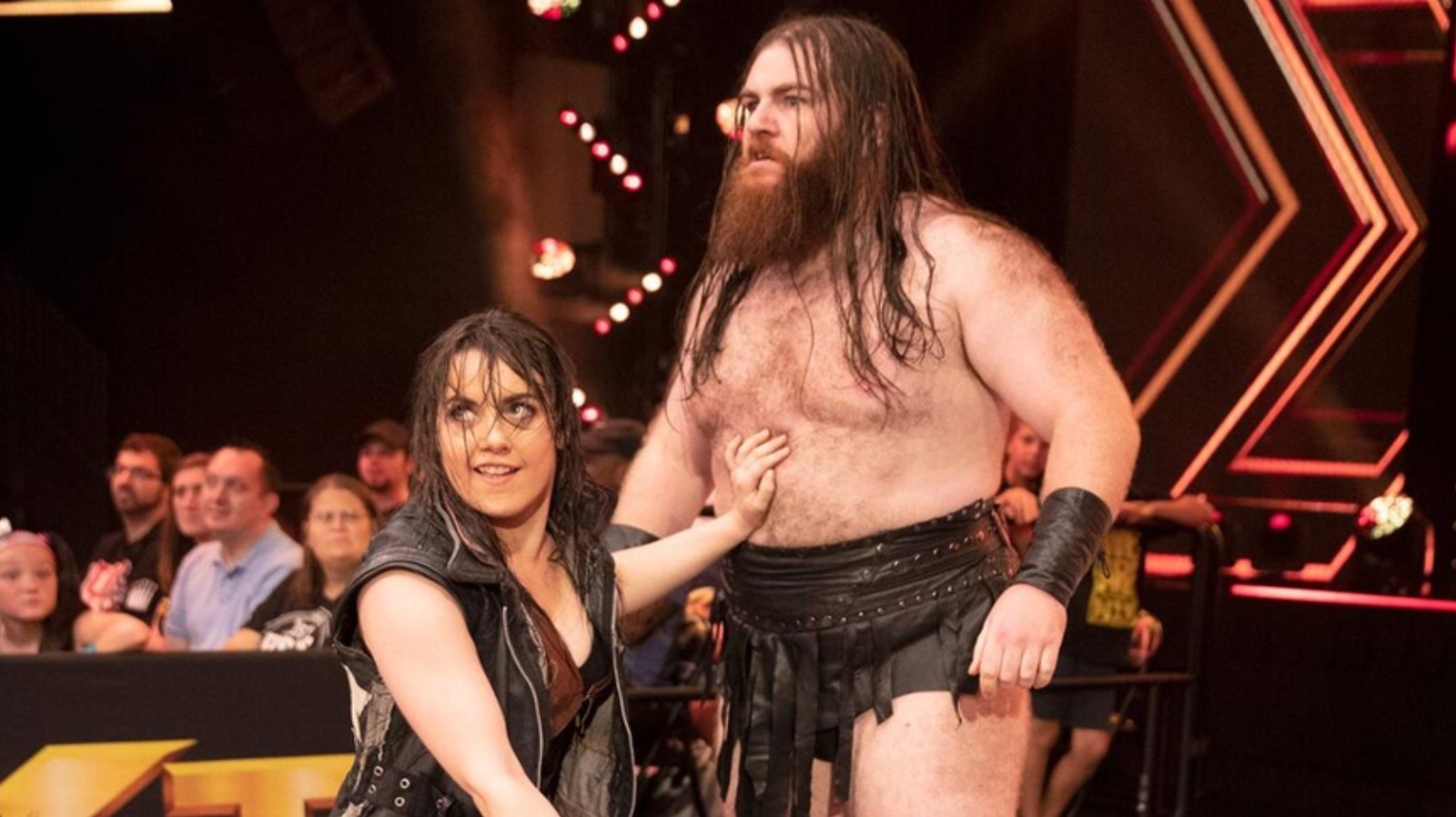
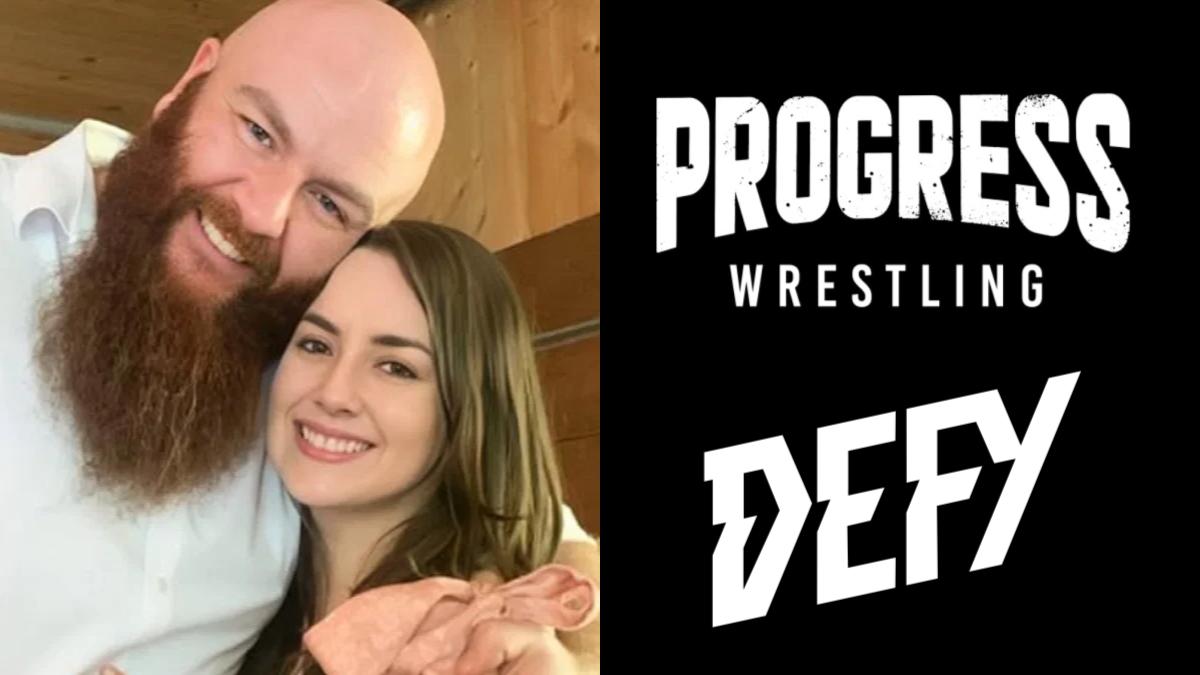
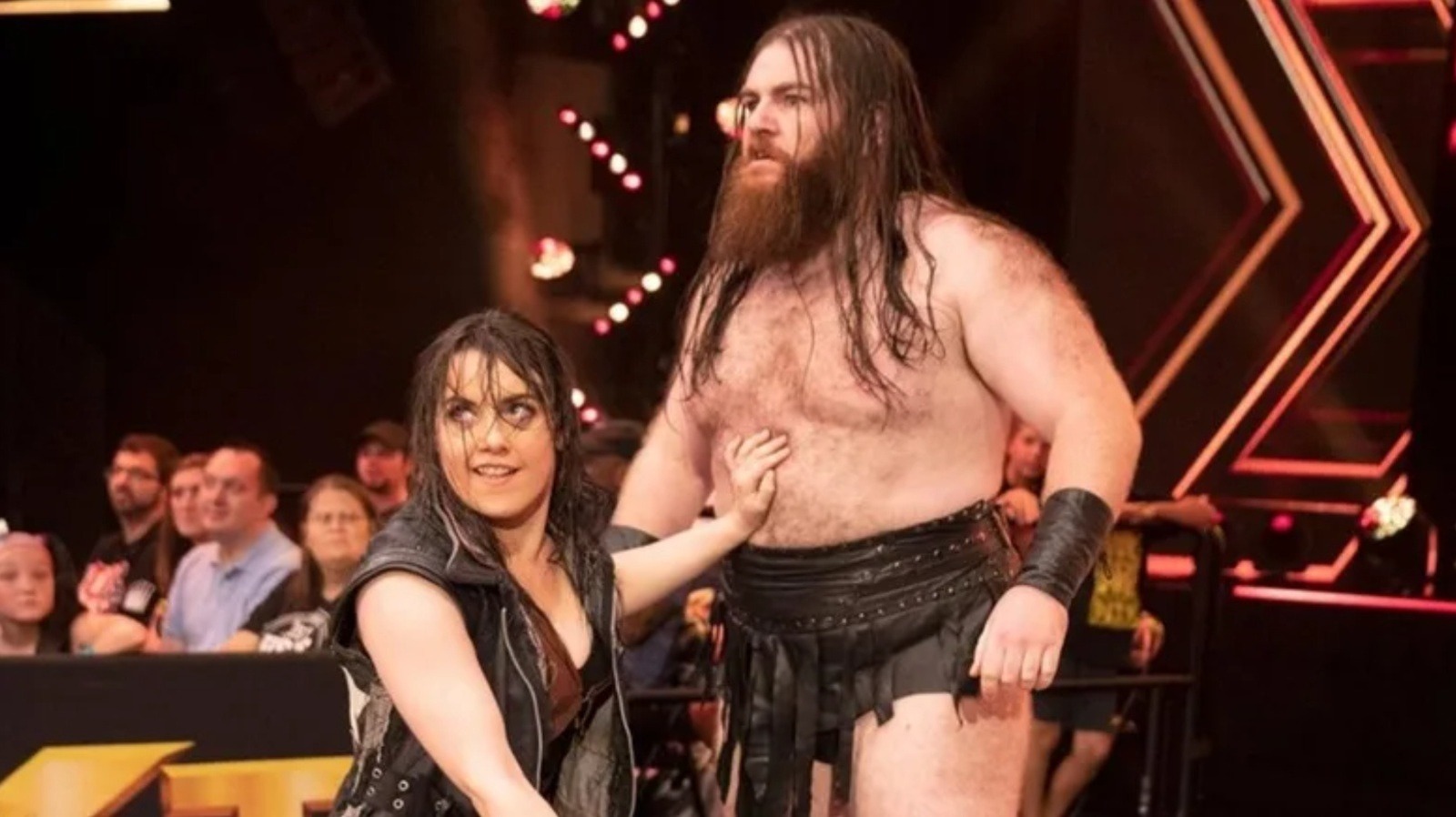
The acquisition of PROGRESS and DEFY by Nikki Cross and Big Damo is the most significant pivot in the company's history. As confirmed in reports from Wrestling Inc, the veteran couple moved from active talent to stakeholders. It marks a shift away from corporate oversight toward a wrestler-led model.
Big Damo noted publicly that this transition was not on his professional bingo card. This move ranks first because it changes the trajectory of the booking office fundamentally. Whether their hands-on experience can stabilize the product remains to be seen, but the intent is clearly to maintain authenticity.
2. Globalizing the talent pool
Integrating international stars alongside the UK core is the lifeblood of the current schedule. By merging the operational strengths of DEFY with the London history of PROGRESS, ownership is building a cross-continental pipeline. This is not just about expanding venue footprint but about creating a standardized performance style.
However, the rapid nature of this consolidation invites criticism regarding brand dilution. If the product becomes too homogenized, the specific charm of the London scene disappears. It is a tightrope walk for the new owners.
3. The Traitors UK integration
Booking Faraaz from The Traitors for a show date is a calculated grab for mainstream media attention. As reported by F4WOnline, this is pure cross-promotion bait. It generates social media buzz, which is exactly how indie promotions survive in 2026.
While traditionalists might scoff, these crossover appearances bring eyes to the card that otherwise wouldn't be there. The key is turning those casual viewers into repeat subscribers. Anything less is a wasted expense.
4. Cross-promotional expansion
The relationship between global indies is becoming tighter than ever before. With TripleMania planning a massive two-night event in Las Vegas, the pressure is on smaller promotions to offer something equally compelling. Staying relevant in a world dominated by mega-events requires consistent, high-intensity storytelling.
Critics point out that over-reliance on guest stars can hurt the homegrown talent roster. A balance must be struck where local favorites get the spotlight. We cannot have a roster made entirely of transients.
5. The shift in production culture
Since the change in control, the production values have shown flashes of improvement. Tightening up the broadcast infrastructure is crucial for scaling. Fans in the front row are getting a cleaner experience, and the stream quality is finally catching up to the ticket prices.
It is a stark contrast to the rougher aesthetic of previous years. If they maintain this 95 percent uptime on technical delivery, they build long-term trust. Credibility is hard to earn and easy to lose on a dying stream.
6. Focusing on the DEFY pipeline
Using the DEFY connection to rotate talent is a smart utilization of resources. It allows wrestlers to cut their teeth in two vastly different crowd types without leaving the promotion's umbrella. This movement increases the frequency of fresh matches, keeping the recurring audience engaged.
The downside is potential traveler fatigue for the talent. Constant back-and-forth between regional hubs can lead to wear and tear. Managing the health of the roster is a hidden administrative priority that will define their longevity.
7. Direct fan engagement tactics
The new management style treats the audience as collaborators. By leaning into the community aspect of the promotion, they are fostering a protective fan base. This is the bedrock of the 'fight club' identity, and retaining that connection is the only way to insulate the company from larger corporate competitors.
8. Managing the transition cost
Financially, taking over multiple entities simultaneously is an enormous hurdle. The reported acquisition costs are significant enough that they likely constrain the short-term travel budget. Every dollar spent on overhead is a dollar not spent on high-profile talent acquisitions.
This is a high-risk gamble on the future of physical ticket sales. Relying heavily on growth to offset debt is a classic trap in the wrestling business. Their ability to monetize the brand effectively is the primary stress test for 2026.
9. In-ring pacing adjustments
Recent shows have seen a subtle move toward faster, more aggressive match structures. The move away from 30-minute technical clinics toward high-impact spots is evident. It aligns with current streaming habits where attention spans are measured in seconds.
For some, this loses the 'wrestling' soul of the promotion. For others, it is a necessary modernization. It is likely the right move for ticket sales, even if it trades away some prestige.
10. The Vegas-TripleMania influence
Though not owned by PROGRESS, the move by AAA to hold the two-night event in Las Vegas signals the bar for event significance. PROGRESS must position its own major shows to avoid getting crushed by larger promotions. The booking team has to be sharper with their timing than ever before.
Honorable Mentions
The return of key veterans to the roster and the experimental use of social-media native performers stand out as promising experiments. However, the lack of a clear 'face of the company' mid-card talent remains a glaring oversight in the current booking philosophy.