A pivot in the independent wrestling hierarchy
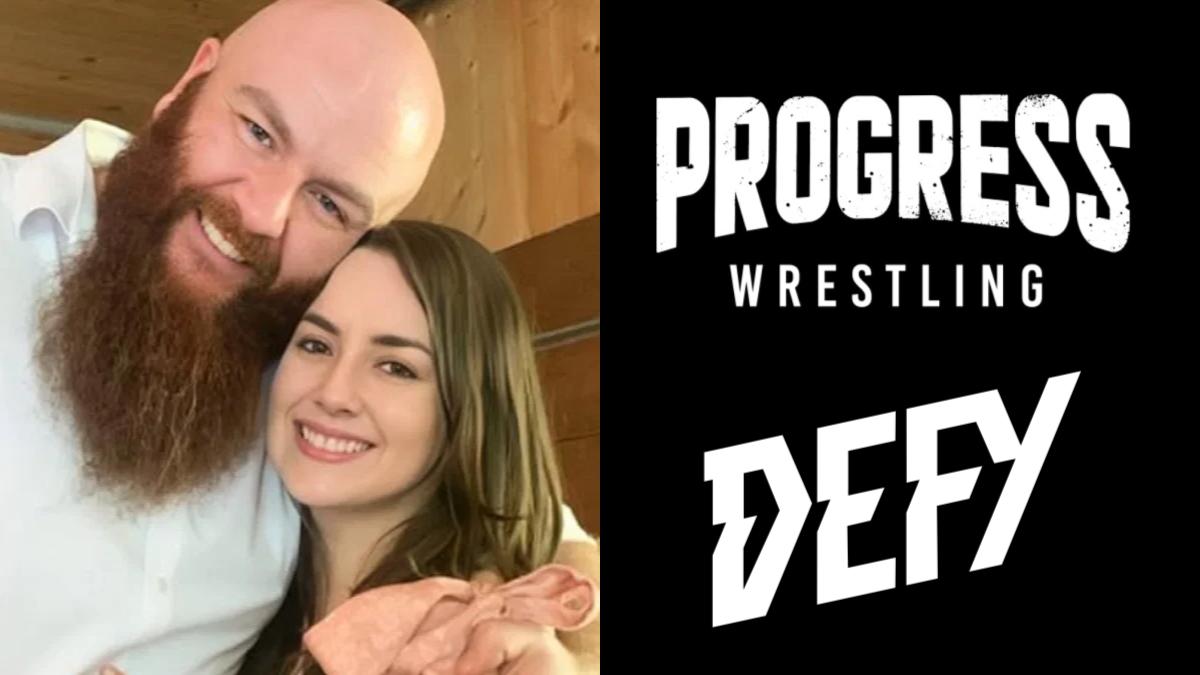
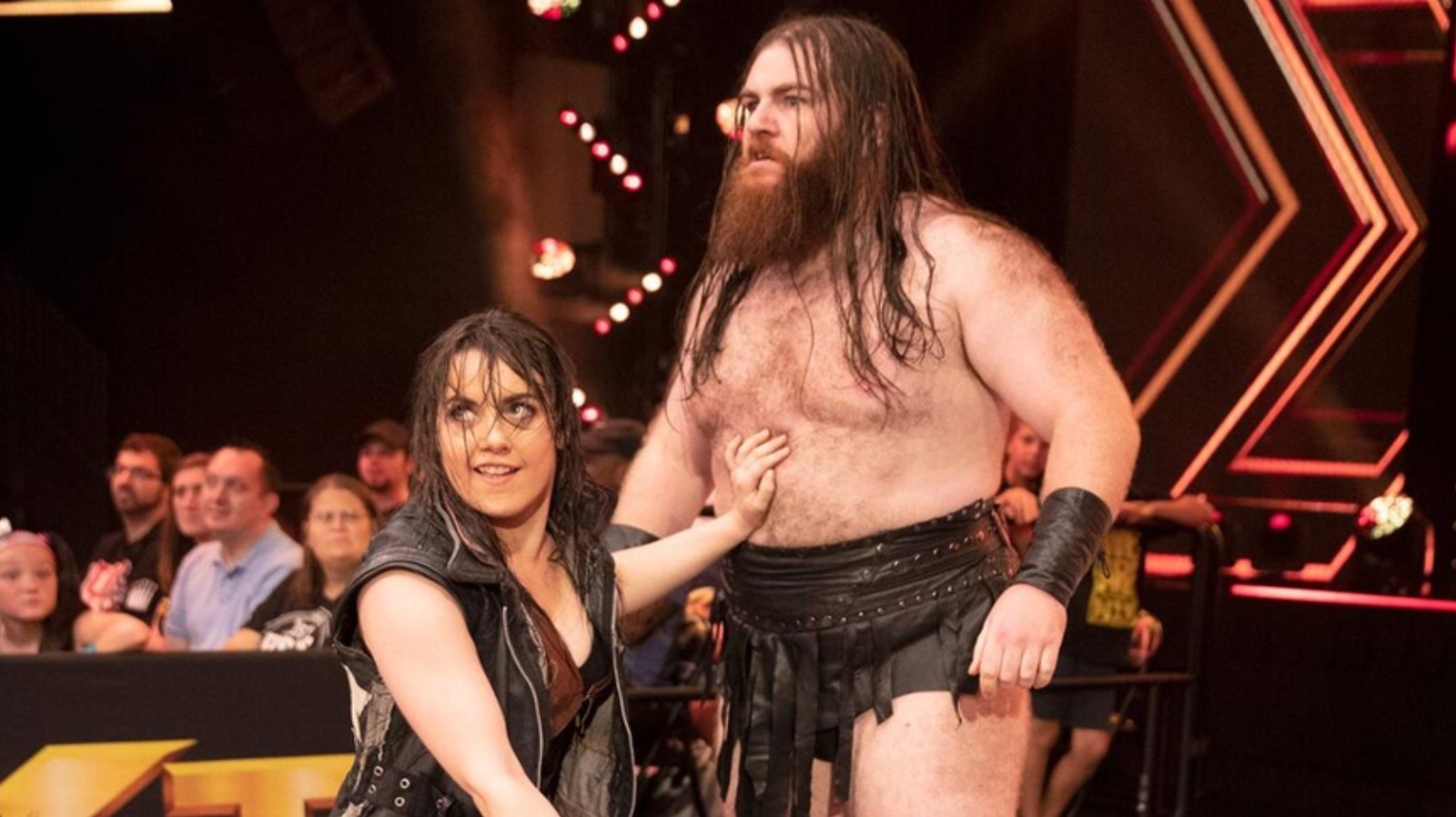
The acquisition of Progress Wrestling and DEFY by Nikki Cross and Big Damo registers as a seismic event in the independent scene. Most wrestlers on the main roster focus on media appearances or post-career coaching. These two are moving into the ownership space during a period where independent television distribution remains fragmented. This is not merely a vanity project for former WWE talent; it is a tactical play to control the booking pipeline in two volatile regions.
Progress Wrestling once stood as the premier proving ground for talent like Pete Dunne and Walter. In recent years, however, the promotion struggled to maintain its identity following a series of departures and local competition. For Damo and Cross, the goal is clear: they need to restore the brand prestige of events held at venues like the Electric Ballroom. Achieving this requires more than just name value on the marquee.
The infrastructure challenge of indie promotion
Running a promotion means balancing attendance revenue against production overhead. Progress and DEFY possess distinct fan bases with different expectations. The acquisition of both brands allows the couple to share administrative costs. Yet, the risk of burnout is high. Damo is still competing at a high level, and managing the creative direction for a UK touring brand while simultaneously overseeing a US-based promotion like DEFY is an organizational nightmare.
One critical observation: the history of talent-owned promotions is littered with ego-driven booking errors. When the promoter is also the top star, the product often centers around protecting their own position. If Cross and Damo prioritize their own on-screen usage over cultivating the next generation of indie stars, the momentum these brands currently hold will dissipate. Fans in Seattle—the base for DEFY—are particularly savvy; they reject scripted segments that feel like repackaged television filler.
Predicting the impact on the industry
The shift in ownership is likely to invite more crossovers. We should expect to see talent exchanges between Progress and DEFY, which would be a fresh departure from the insular booking patterns that defined both companies throughout 2024 and 2025. This creates a genuine pathway for talent to move between continents without needing a direct sign-off from a global conglomerate.
My prediction: The first six months will focus on stabilization rather than reinvention. I expect the tag team divisions to receive the most attention, given Damo’s background in high-impact, physical wrestling. However, if they cannot secure a consistent digital streaming partner by the end of the year, the logistical strain of managing two continents will force them to divest one of the two assets. It is a bold, high-stakes investment that will either solidify their legacy as promoters or serve as a cautionary tale.