The repetitive trap of wrestling podcast retrospectives

Measuring the obsession with the past
Glancing at the current podcast archive, one note is immediate: wrestling media is trapped in a temporal feedback loop. Whether listening to the revisited analysis of the 2016 Extreme Rules or the breakdowns from five years ago, the industry seems incapable of breaking free from its own history. We are effectively living in a media environment where, for every fresh SmackDown review, we are served two helpings of historical autopsy.
This reliance on nostalgia isn't just a byproduct of slow news cycles; it is a strategic choice. While analyzing NXT broadcasts from May 2021 offers a snapshot of a specific development cycle, it risks obscuring the present. The recent discourse surrounding Roman Reigns and AJ Styles highlights an enduring struggle in wrestling booking: the transition of top-tier talent into the main event status.
The danger of revisionist booking
When we look back at the May 2016 commentary, the fascination with the AJ Styles versus Roman Reigns feud is telling. We spend hours dissecting the logic of that era because the current product often parallels those same structural anxieties. However, repeating these post-mortems creates a false sense of progression.
Take Kevin Nash’s perspective in the 10-year-old interview classic. His insights regarding the Monday Night War and his own title runs are technically informative for scholars of the sport. Yet, the persistent re-airing of these files implies that the industry has not moved beyond the arguments of 2002 or 2016.
The current creative stagnation
We see the symptoms of this stagnation in the present day. When Wade Keller and Joshua White discuss the current work being done by Sami Zayn, the conversation remains tethered to long-term narrative structures that WWE has mastered over decades. While the work is technically proficient, the lack of genuine innovation is noticeable.
The fixation on legacy stars—often circling back to the likes of Christian or Brock Lesnar, as discussed in PWTorch archives from 2011—prevents the emergence of new, urgent stars. If the audience is conditioned to prioritize 15-year-old debates, they are implicitly coached to view the current roster as lesser than their predecessors.
Missing the modern pulse
Modern wrestling coverage should be focusing on the tactical shifts in ring psychology and the evolving pace of matches per segment. Instead, we are stuck documenting the historical trajectory of TNA or the minutiae of old DVD cuts. There is a tangible disconnect between the analytical capabilities of the medium and the subject matter being consumed.
If we are to move forward, the focus must shift to the present. The industry has produced 107 minutes of recent dialogue on SmackDown, yet the secondary content—the retrospective fluff—dominates the airwaves. This creates a cluttered feed where relevant commentary on current feuds gets lost behind the weight of yesterday's news.
The numbers don't lie: when a 149-minute interview from a decade ago receives as much priority as a current weekly review, the message is clear. Professional wrestling fans are being encouraged to look backward rather than forward. It is time to treat the history of this industry as a reference point for research, not as the primary source of entertainment.
WWE Elite Collection Series 125 Joe Hendry Action Figure
Say his name and he appears—now in action figure form.
Frequently Asked Questions
Why does the author critique wrestling podcast retro-content?
How does historical focus affect perceptions of current wrestling stars?
What topics does the author suggest media should prioritize instead?
What is the danger of revisionist booking analysis?
How do wrestling archives impact the current news cycle?
More Coverage
Stipulations are turning this weekend into a booking chaos simulator
an hour ago
Top 10: Defining Moments of the 2026 Wrestling Calendar
2 hours ago
The math behind AJ Styles' longevity and the myth of career security
2 hours ago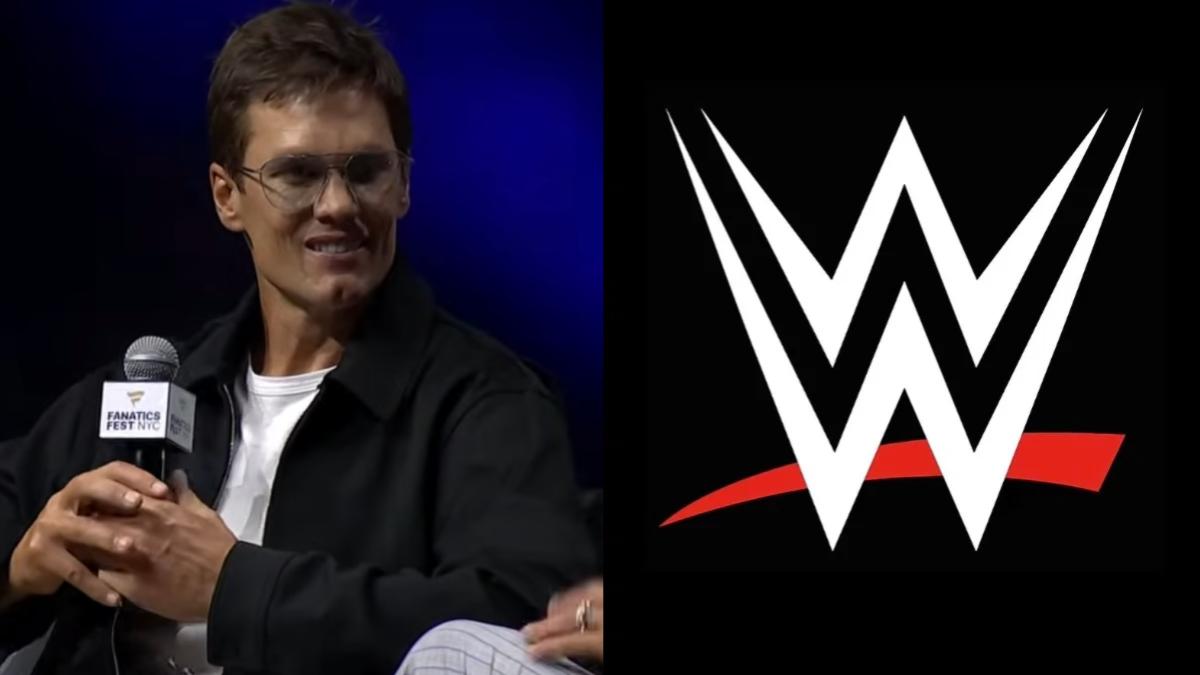
Can Logan Paul actually carry Tom Brady to a watchable WWE match?
2 hours ago
AJ Styles admitting his biggest WWE fear is the ultimate reality check
2 hours ago
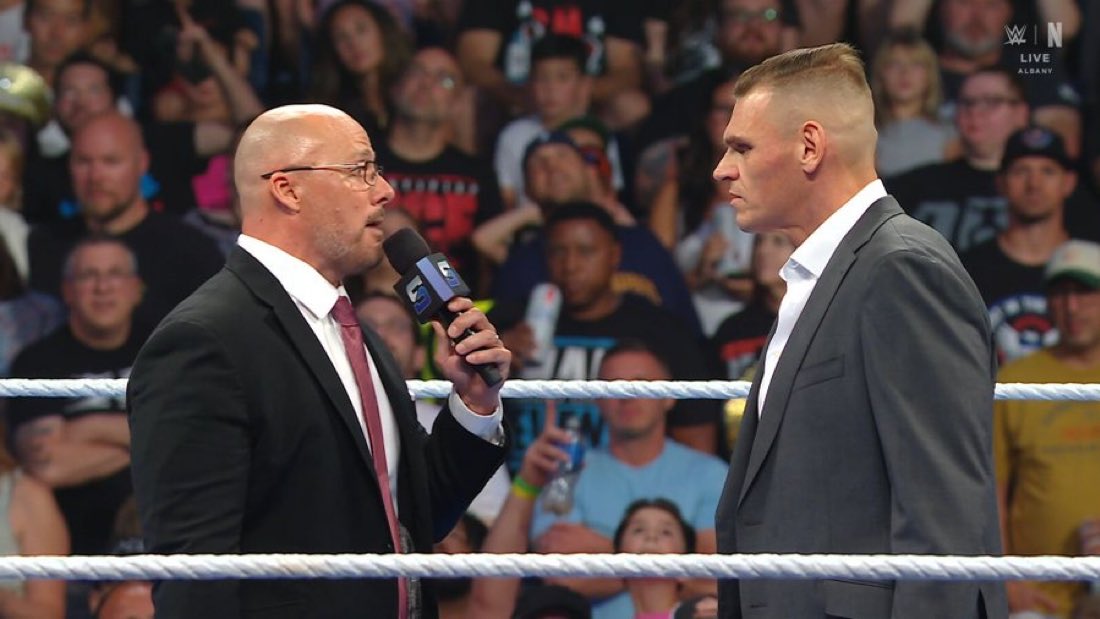
Why putting Nick Aldis in the ring for SummerSlam is a booking gamble
2 hours agoMore Analysis
Why nostalgia-heavy podcasting is failing the current wrestling product
4 hours ago
Why we are romanticizing the wrong era of wrestling commentary
1 month ago
Top 10: The Most Iconic Long-Form Wrestling Podcasts
2 months agoA trip back to 2016 reminds us why we actually love this insane hobby
6 days, 18 hours ago
Why the current WWE product balance is leaning too hard into the past
3 weeks, 6 days ago