The Sacrifice Illusion
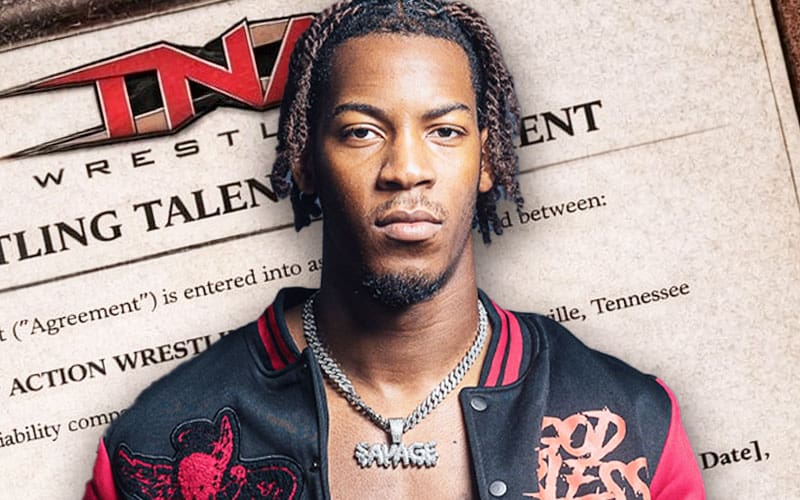
TNA thought they had a slam dunk on their hands. The signing of Ricky Sosa at Sacrifice was meticulously designed to be a feel-good moment. A classic passing-of-the-torch television segment that wrestling promotions love to self-congratulate over.
For a few fleeting minutes, the execution was flawless. The crowd popped at the reveal. The broadcast team sold it as a monumental acquisition for the company's future.
But the hangover hit immediately. The news cycle shifted from celebration to controversy almost overnight. As reported by Ringside News, an independent promoter has openly accused TNA of exploiting talent following the Sosa deal.
This isn't just a disgruntled tweet from a frustrated local booker. It is a fundamental indictment of how major televised companies strip-mine the independent circuit. TNA wanted a PR win. Instead, they stepped squarely on a landmine that exposes the deeply fragile relationship between the grassroots indies and the big leagues.
The Anatomy of Exploitation
To truly understand the anger radiating from the indie scene, you have to look closely at the mechanics of the modern wrestling business. Independent promoters build their local television, their streaming deals, and their live gates around a handful of top draws.
They invest months—sometimes upwards of 200 hours of local TV time—and social media capital into building a star from the ground up.
When a company like TNA swoops in with a contract, they don't just take the wrestler. They take the promoter's long-term investment.
The accusation of exploitation in this context rarely means a bad financial paycheck for the talent involved. Sosa is likely getting the best money of his career. What it usually means is predatory timing and aggressive business tactics. Major companies frequently pull talent from pre-advertised independent dates the moment the ink is dry.
They enforce exclusivity clauses that suddenly choke out the smaller promotions who built the wrestler in the first place. This dynamic is exactly why the territorial system collapsed, but we are seeing a modernized, corporate version of it in 2026.
The major companies rely on the indies to act as a free developmental system. They don't have to pay for the ring time, the medical bills, or the travel while a wrestler is learning how to work a crowd. They just wait until the product is finished, and then they buy it.
The indie promoter is left holding the bag. They have an empty main event slot, a fractured storyline, and a frustrated local fanbase demanding refunds. TNA, meanwhile, gets a ready-made, fully polished star. It is a ruthless, cold-blooded business. Seeing it play out so publicly immediately damages the organic babyface shine TNA desperately tried to put on Sosa.
Sosa's Tactical Fit in the Impact Zone
Step away from the boardroom drama for a second and look at the ring itself. How does Ricky Sosa actually fit into the 2026 TNA locker room?
He is entering an incredibly crowded and dangerous midcard. TNA's roster is currently a meat grinder of contrasting styles. You have the technical, suffocating precision of a Josh Alexander. You have the sheer physical dominance and explosive power of Moose. You have the relentless, cardiovascular nightmares of the X-Division mainstays.
Sosa cannot just be a "good hand" if he wants to survive here. He needs to fundamentally adapt his pacing.
On the independent circuit, Sosa could comfortably rely on high-octane sprints. He could afford to let matches breathe, working crowds that were already intimately familiar with his move-set and his narrative arcs. Television wrestling is a completely different beast, and it eats indie darlings alive if they cannot adjust.
He will be working for hard cameras. He will be wrestling through commercial breaks, which requires a completely different approach to resting and heat segments. His transition windows between moves will need to be significantly tighter to translate through the screen.
If you watch his tape from the past six months on the indies, there is a recurring tactical flaw that TNA veterans will exploit. He struggles badly with his defensive positioning when working against heavy-handed strikers. He tends to leave his chin exposed on corner exits, dropping his guard when resetting his base. Against a veteran like Eddie Edwards or a lethal striker like Mike Bailey, that fraction of a second of complacency is going to cost him matches.
The Booking Minefield
Creative has a massive problem on their hands right now.
The original booking plan was clearly to push Sosa as the conquering indie hero who finally made it to the big time. That narrative is now completely tainted. Wrestling fans in 2026 read the dirt sheets. They are plugged into the news cycle. They know all about the promoter's accusations of exploitation.
If TNA leans too hard into the "we gave this kid a chance" angle, it's going to sound completely tone-deaf and condescending. The audience will reject it. They need to pivot. Immediately.
Instead of pretending the controversy doesn't exist, TNA should aggressively lean into it. Acknowledge the friction. Frame Sosa not as a grateful lottery winner, but as a ruthless mercenary who simply outgrew his small pond. Let him cut a promo saying he took the money because he deserved it, and the indies were holding him back.
It gives him a sharp edge. It turns a PR nightmare into compelling, reality-based television.
But TNA has a horrible historical habit of ignoring outside noise until it becomes deafening. This is a glaring failure in modern wrestling booking. When you pretend the internet doesn't exist, you insult the intelligence of the very audience you are trying to capture. The fans sitting in the Impact Zone know exactly what is happening behind the scenes, and they will hijack a segment if they feel their intelligence is being insulted.
Matchups and The Form Guide
Looking at the immediate horizon, Sosa needs a dance partner who can ground him and teach him the television style without exposing his flaws.
Throwing him straight into the X-Division title picture is a massive mistake. It is simply too fast. It exposes him to direct comparisons with the best workers in the world before he has found his footing.
He needs a slow, veteran program. A methodical, grinding feud against someone who can physically force him to slow down and sell. A program with someone like Brian Myers would be perfect right now. Myers forces his opponents to work a highly traditional, psychology-heavy structure. He doesn't allow for unnecessary flips or wasted motion.
Working with Myers would hide Sosa's transitional flaws while letting his offensive explosions—his quick strikes and high-impact dives—stand out as actual turning points in the match, rather than just routine high spots.
TNA could also look at a program with Frankie Kazarian. Kazarian has made a career out of testing new arrivals. He knows exactly how to expose a wrestler who relies too heavily on choreographed sequences rather than in-ring instinct. A 15-minute match with Kazarian would tell management exactly what they bought. If Sosa can hang with that level of ring generalship, the controversy will fade. If he looks lost when the planned spots break down, TNA will know they made an expensive mistake.
Prediction
So where does this go from here?
I expect TNA will take the path of least resistance. They will ignore the controversy on television entirely. They will try to push through with the original, vanilla babyface presentation they planned for Sacrifice. And it is going to fall completely flat.
Sosa will get his initial wins. He will hit his signature spots on his first few television tapings. The live crowd will probably pop for the debut match. But within six weeks, the momentum is going to brutally stall.
The lack of an edgy narrative will leave him stranded in the middle of the card, struggling to get television time.
The independent promoter will eventually stop talking, moving on to the next operational crisis. But the damage to Sosa's vital initial run is already done. He absolutely has the raw talent to recover eventually, but TNA is forcing him to run his first major televised race with a massive, controversial weight tied directly to his ankle.
He will beat whoever they put in front of him at the next set of tapings. But winning matches isn't his problem right now. Winning over a cynical, deeply informed fanbase is.