The Monday night reset
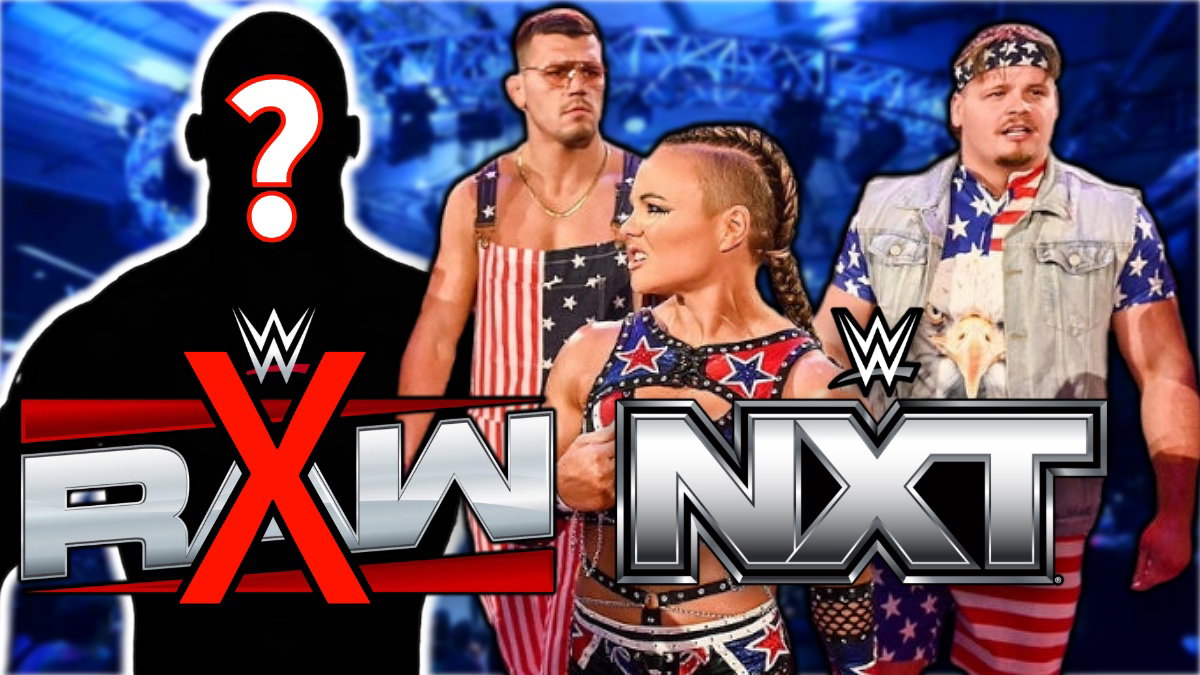
Every year, the Raw following WrestleMania functions as the true season premiere for WWE. Executives treat the post-Mania broadcast as a soft reboot of the weekly television product. Fans expect fresh faces, stable shake-ups, and the inevitable migration of NXT talent to the main roster.
With WrestleMania 41 arriving in just two weeks, internal speculation centers on which performers finalize their transition to the senior brand. The transition requires a delicate balance of maintaining momentum from the showcase event while establishing new stakes for the upcoming summer programs.
Predicting the NXT pipeline
History suggests that management focuses on specific archetypes when calling up talent from the Performance Center. They prioritize workers who have exhausted their current creative ceiling in Florida. The current NXT champions and high-profile challengers represent the most logical targets for an immediate jump.
Recent patterns from WrestleTalk highlight the expectation of surprise returns. However, the more critical movement involves emerging stars who provide a needed infusion of energy to segments that have gone stale over the winter months.
The creative risks of a sudden debut
A mid-April debut carries significant downside if the creative team lacks a post-Mania roadmap. Bringing a character to Raw without a clear three-month feud often results in a lost winter. If a wrestler enters the ring and fails to secure a defining victory or a clear rivalry, they become background noise by the time the company arrives at Backlash on May 9.
The scheduling squeeze is undeniable. With the roster currently heavy on established veterans, new arrivals often struggle for TV time. A debut segment requires more than a music drop or a run-in during a tag match. It demands a clear confrontation that draws a direct line into the next pay-per-view cycle.
Assessing individual trajectory
Consider the performers who have plateaued in developmental but carry significant buzz. These wrestlers have mastered the televised style, yet their growth remains capped in a smaller venue. A shift to a heavier travel schedule and national cable exposure usually forces a faster evolution in a talent’s ring psychology.
Technical flaws that hide in the relative safety of the Performance Center become glaring under the scrutiny of an arena audience. If a performer cannot command attention within their first 120 seconds of screen time, they often find themselves relegated to low-card positions by mid-summer.
The probability of immediate impact
The likelihood of multiple main roster debuts remains high, but the quality of these introductions varies wildly based on seniority. Management often struggles to introduce more than two major acts simultaneously without diluting the impact of each.
Expect at least two NXT standouts to appear on the April 20 show or the subsequent Raw. The most successful debuts typically involve a direct assault on an established mid-card champion. This provides an immediate antagonist, legitimate heat, and a built-in purpose for the first month of television.
The strategy remains simple: leverage the high energy of a post-WrestleMania crowd to legitimize a new act. If the creative team misses the mark with a lackluster introduction, no amount of technical skill will save the performer from a cold start to their main roster tenure. The industry watches these specific nights to determine if the next generation can withstand the pressure of a global stage.