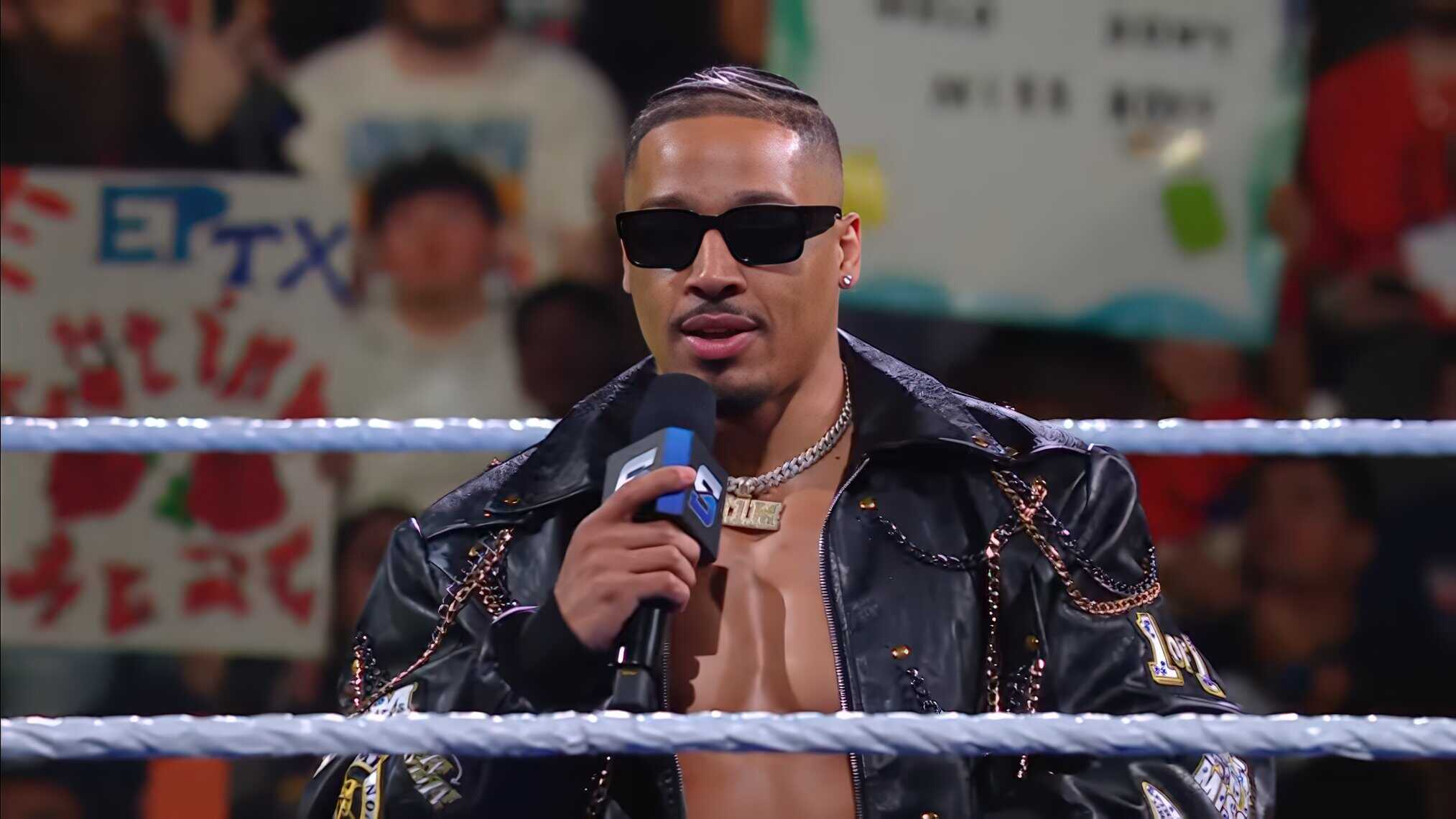
The NXT roster raid has left a void that athleticism alone cannot fill

The Orlando vacuum and the problem with pure athleticism
The Performance Center in Orlando is currently the most expensive waiting room in sports entertainment. Following the fallout from WrestleMania 41 and the subsequent main roster draft, Shawn Michaels finds himself staring at a locker room that looks more like a high-level gymnastics camp than a wrestling territory. As WrestleTalk reported, a mass departure of established names has forced a new crop of talent into the spotlight. This is the natural cycle of the brand, but the current transition feels different because the technical floor has risen while the character ceiling has stagnated.
We are seeing athletes who can perform a 450 splash with the nonchalance of a morning stretch. Je’Von Evans is the poster child for this evolution. At 21, his movement is terrifyingly fluid. In his recent clash with Oba Femi, Evans executed a handspring into a backflip off the second rope that didn't just look good—it defied the physics we expect from a developmental talent. But as the veteran call-ups move to Monday nights, the void they leave isn't just a spot on the card. It is a loss of narrative gravity that a springboard cutter cannot replace.
The NIL experiment meets the reality of the squared circle
The influx of NIL (Next In Line) athletes has changed the aesthetic of the Tuesday night program. These are people who have spent their lives in Division I weight rooms and track meets. They possess the fast-twitch muscle fibers that make the highlight reels pop on social media. However, there is a visible disconnect when the bell rings for the 15-minute main event. The stamina is there, but the pacing is often frantic, lacking the lulls and crescendos that define a classic wrestling match.
Take the current crop of North American title contenders. They are explosive, yes, but they often struggle with the 'in-between' moments. When a hold is applied, the struggle looks choreographed rather than desperate. This is the byproduct of the Performance Center's controlled environment. Everything is drilled to perfection, which ironically strips away the organic grit that makes wrestling feel competitive. You can teach a former linebacker to hit a powerslam, but teaching them to sell a limb for ten minutes is a much steeper climb.
Oba Femi and the burden of the dominant champion
Oba Femi remains the most significant success story of this new era, yet even his reign illustrates the current struggle. He is a physical anomaly with a power game that rivals a young Brock Lesnar. His discus lariat is a genuine three-count finisher that looks like it could decapitate a statue. But as the top stars move up, Femi is running out of opponents who can realistically challenge his aura. When the challenger is another raw athlete with only six months of TV experience, the result feels like a foregone conclusion rather than a struggle for supremacy.
The issue is exacerbated by the loss of 'player-coaches' on the roster. In previous cycles, NXT had veterans like Samoa Joe or Finn Balor to anchor the younger talent. Today, the roster is almost entirely comprised of people learning on the job at the same time. This leads to a feedback loop where mistakes are repeated because there isn't an experienced hand in the ring to correct them in real-time. We saw this last Tuesday during a chaotic tag team scramble where three separate spots were missed because nobody knew how to take charge of the positioning.
The Sol Ruca factor and the evolution of the women's division
Sol Ruca represents the high-water mark for the gymnastic-heavy approach. Her 'Sol Snatcher' finisher—a backflip cutter off the ropes—is arguably the most innovative move in the company. It requires a level of core strength and spatial awareness that would make an Olympic floor medalist blink. In her recent match against Fallon Henley, she showed flashes of improved psychology, using her athleticism to escape holds rather than just to show off. It was a step in the right direction for a division that has been hit hard by the recent call-ups.
Yet, the women’s division is where the 'PC polish' is most glaring. There is a specific cadence to the promos—a certain upbeat, scripted energy—that feels disconnected from the physical violence of the matches. Every segment feels like it was written by the same three people and delivered by performers who are terrified of deviating from the script. This lack of vocal autonomy makes it difficult for the audience to invest in anyone beyond their entrance music and their signature move.
The critical flaw in the current developmental model
If there is one negative observation to be made about the post-WM41 era of NXT, it is the death of the 'indy' soul. There was a time when NXT was a blend of world-class journeymen and homegrown prospects. That friction created something unique. Today, it feels like a factory-sealed product. The gear is too clean, the hair is too perfect, and the matches are too choreographed. When everyone is an elite athlete, being an elite athlete no longer feels special.
The creative team seems obsessed with 'viral moments.' We see two or three high-risk dives per show that serve no purpose other than to generate a GIF for Twitter. This 'clip-hunting' style of wrestling is detrimental to long-term storytelling. If a performer survives a Canadian Destroyer through a table in the first five minutes, where do you go for the finish? The escalation of violence has outpaced the escalation of emotion, leaving the audience feeling desensitized to the actual stakes of the match.
Looking ahead to Backlash and beyond
With WWE Backlash 2026 just 12 days away, the pressure on the new NXT class to perform during the 'B-Show' festivities is immense. They are being asked to replace some of the most charismatic performers in the brand's history. It is not enough to be fast; they have to be interesting. The technical analysts will look at the workrate, but the casual fans will look for a reason to care. Right now, NXT is winning the former and struggling with the latter.
The next few months will determine if this crop of talent can find their own voices. The talent is undeniable—the roster is younger and more physically capable than it has ever been. But until Shawn Michaels allows these performers to fail, to get messy, and to step outside the sterile confines of the Performance Center style, they will remain impressive athletes playing at being pro wrestlers. The void left by the call-ups is wide, and it will take more than a 450 splash to bridge the gap. NXT needs to find its grit again, or it risks becoming a very expensive, very athletic circus that nobody watches for the plot.
We are watching a transition that is 100 percent necessary for the health of the main roster, but it has left the developmental brand in a state of flux. The raw ingredients are there—the size, the speed, the look. What is missing is the seasoning. If the creative direction doesn't shift toward character autonomy, we might look back at this era as the time when NXT became too perfect for its own good.
WWE Mattel Ultimate Edition Roman Reigns Action Figure
Acknowledge your Tribal Chief in ultimate detail.
Frequently Asked Questions
Who is the standout athlete in NXT following the recent roster raid?
How has the NIL program changed the style of matches on NXT?
Why is the Performance Center environment considered a challenge for new talent?
What is the main concern regarding Oba Femi’s current championship reign?
What did NXT lose during the post-WrestleMania 41 roster draft?
More Coverage
Je'Von Evans holds the keys to the future of NXT
7 hours ago
Je'Von Evans to the main roster is the push WWE cannot delay
7 hours ago
Roman Reigns reveals WWE exit timeline and issues warning to Oba Femi
9 hours ago
SummerSlam 2026 is a weird, high-stakes experiment in Minneapolis
1 day, 9 hours agoAllentown proved that house shows still have a pulse
1 day, 23 hours ago
Brock Lesnar is hiding behind suits and tape while the division moves on
2 days, 3 hours agoMore Analysis
Je'Von Evans and the limits of raw athleticism in NXT
2 months, 3 weeks ago
NXT is losing its identity in the race for casual viewership
1 month, 3 weeks agoNXT is stuck in an identity crisis without a clear goal
1 month ago