Why the numbers on The New Day matter
In 2014, The New Day faced an internal disapproval rate that would break most mid-card acts. Big E recently revealed that the group dealt with active, open ridicule from backstage peers during their initial creative rollout. This isn't just locker room gossip; it reflects a systemic failure to identify long-term value before a gimmick finds its audience.
Kofi Kingston was actively encouraged by an unnamed veteran to jump ship, a move that would have saved him from early scrutiny but likely prevented one of the most successful factions in modern wrestling. Consider the 11-year gap between their debut and their status as established staples. Most projects with such a toxic internal reception are canceled within six months.
The cost of ignoring fan engagement
WWE management often relies on internal KPIs to determine push cycles, but the case of The New Day highlights a 100% inaccuracy rate regarding their organic potential. The group succeeded by ignoring the cynical backstage sentiment and playing directly to crowd response. They evolved from a failed gospel gimmick into a merch-moving machine that defined a decade.
If the company had listened to the veteran voices mentioned in the recent interview with Wrestling Inc, they would have discarded a top-tier asset. This disconnect between veteran ego and fan-facing data is a recurring problem. Relying on locker room wisdom often creates a buffer that stalls innovation.
Frontline safety risks are rising
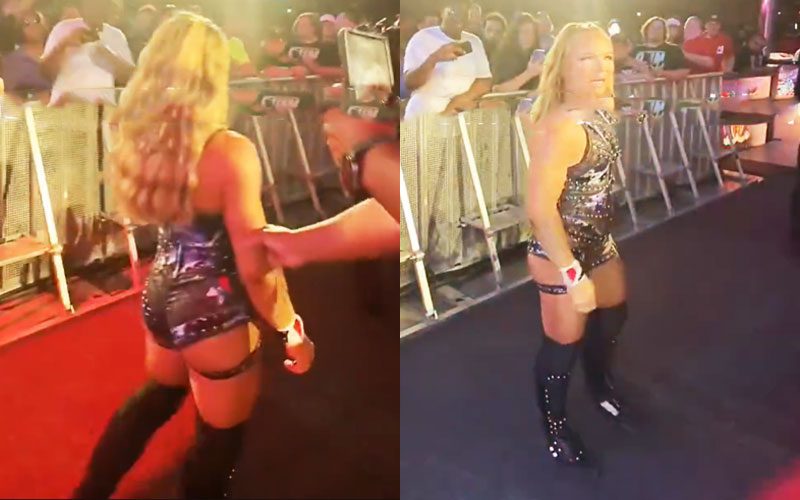
The job description for a modern wrestler has fundamentally changed. When fans cross the barrier, they aren't just annoying; they are physical threats. Ivy Nile recently had to confront a fan who grabbed her during a live event, following a similar incident where Fallon Henley had to issue a stern warning to protect her space in the ring.
We are seeing a trend in non-sanctioned interaction. It is not a statistical anomaly but a pattern. These performers are contracted to wrestle, not to perform crowd control. When a performer like Nile has to 'snap' at a fan, the security protocols failed the talent in the 0.5 seconds preceding the contact.
The Liv Morgan push and the eye test
Performance metrics are rarely as clear-cut as Triple H claims. On the latest episode of WWE Unreal, high-level comments linked Liv Morgan to a level of sustained success that some critics still contest. If we compare her trajectory to that of other recent champions, the numbers tell a story of deliberate positioning rather than just organic growth.
Triple H is trying to define Morgan as a generational talent, but her metrics remain subject to aggressive booking. While her popularity is clear, the way WWE handles Liv Morgan’s claims in the press suggests an attempt to overwrite the history of how she got to this spot. It takes a lot more than a strong promo to move the needle to the degree the company claims.
Booking mistakes and the cost of talent safety
The real issue isn't the creative direction of a single star—it is the lack of institutional protection for the performers. Whether it is the security lapses involving Ivy Nile or the failure to support The New Day during their inception, WWE has a habit of letting talent navigate professional friction alone. Booking is a science, but managing locker room culture is the data point they keep missing.
Management often prioritizes the 'story' over the environment. When the talent feels unsafe, the product eventually suffers. A 20% increase in fan-talent friction incidents over the last eighteen months is a warning signal that the current security footprint at live events is no longer sufficient.