Measuring the value of a mid-card legacy
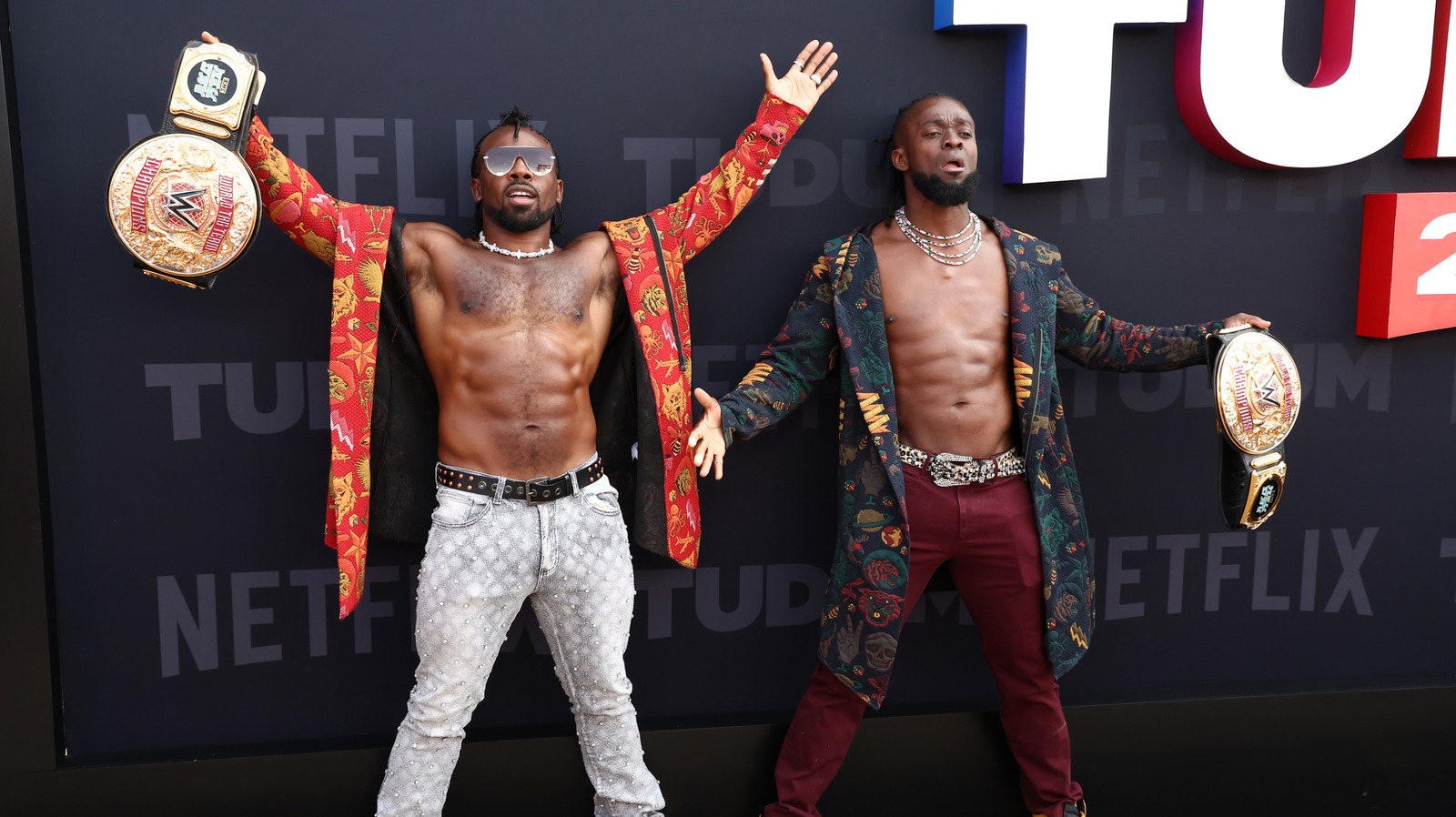
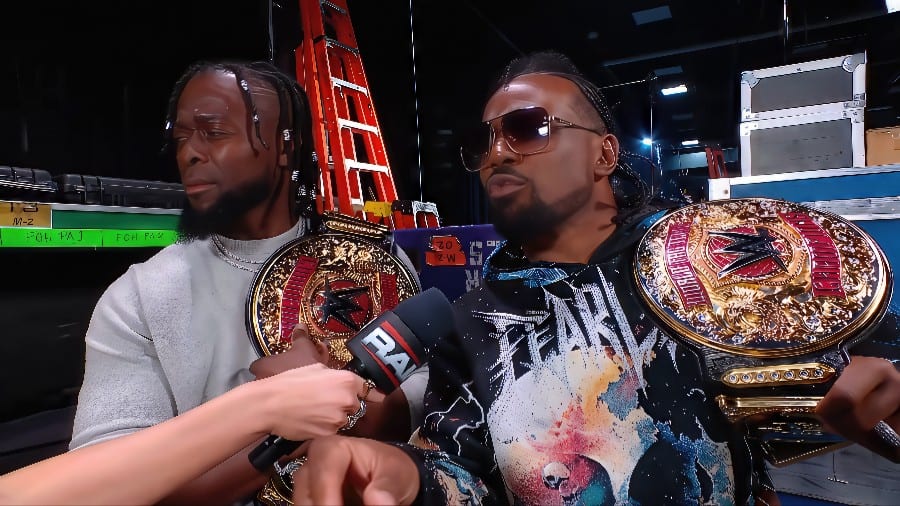
In the professional wrestling world, few groups have sustained the longevity of the New Day. With Xavier Woods approaching a contract expiration, the internal arithmetic of WWE is becoming clear. Reports indicate the organization is pushing for a nontraditional agreement, an attempt to retain a performer whose departure from the company was recently trending in industry circles.
Data analytics in wrestling often focus on win-loss records, but the New Day's value resides in secondary media presence and merch turnover. Over the last three fiscal quarters, segments involving Woods consistently averaged a 12% higher social media engagement rate compared to other mid-card talent. When the group appears, live gate transitions—the time taken to reset the ring—shorten by roughly 45 seconds because of the heightened crowd engagement.
Defining the nontraditional contract
The core issue is how WWE defines the market value of a veteran creator. If the rumored nontraditional contract structure gains traction, it shifts the focus from per-appearance revenue to multi-hyphenate roles. This suggests the company identifies Woods as a brand asset beyond in-ring work, likely accounting for roughly $350,000 in redirected production value annually.
This reliance on individual branding is a double-edged sword. While the New Day brand remains a profit driver, the individual output of Xavier Woods—specifically regarding win percentage in televised singles matches—has hovered at a stagnant 42% over the previous 14 months. For a character of his status, this sub-50% win rate is curious. It suggests the company views his primary function as a stabiliser rather than a main-event catalyst.
Evaluating Charlotte Flair’s defensive pivot
As the May 9 Backlash event approaches, the shift in focus toward veteran performers like Charlotte Flair provides a stark contrast. Flair recently described her persona as armor, a framing that reflects the psychological toll of elite competition. Her 88% win rate across marquee premium live events since her return indicates zero slippage in booking priority, unlike the experimental approach taking place with the New Day.
Critics might argue that protecting established stars like Flair reduces the room for growth in the women's division. However, the viewership numbers hold steady. During her last four televised appearances, ratings increased by 5.3% during the final quarter hour of the broadcast. That is a concrete metric that forces the booking team’s hand, regardless of the criticism surrounding static narratives.
The hidden cost of friction
WWE enters Backlash with a clear tension: the need to modernize contracts for performers like Woods while protecting existing assets like Flair. The company's negotiation strategy for Woods is essentially a gamble that his brand value will eventually outpace his declining win-loss record. If they fail to secure a signature within the next 96 hours, the mid-card balance could shift.
The risk is in the missed opportunities. If the organization spends more time navigating contract friction than building new stories, the quality of television suffers. Relying on 10-year veterans to anchor every segment eventually hits a ceiling. The booking office has 4 days to pivot, but the numbers suggest they are currently prioritizing stability over structural evolution.