Contextualizing a controversial relic
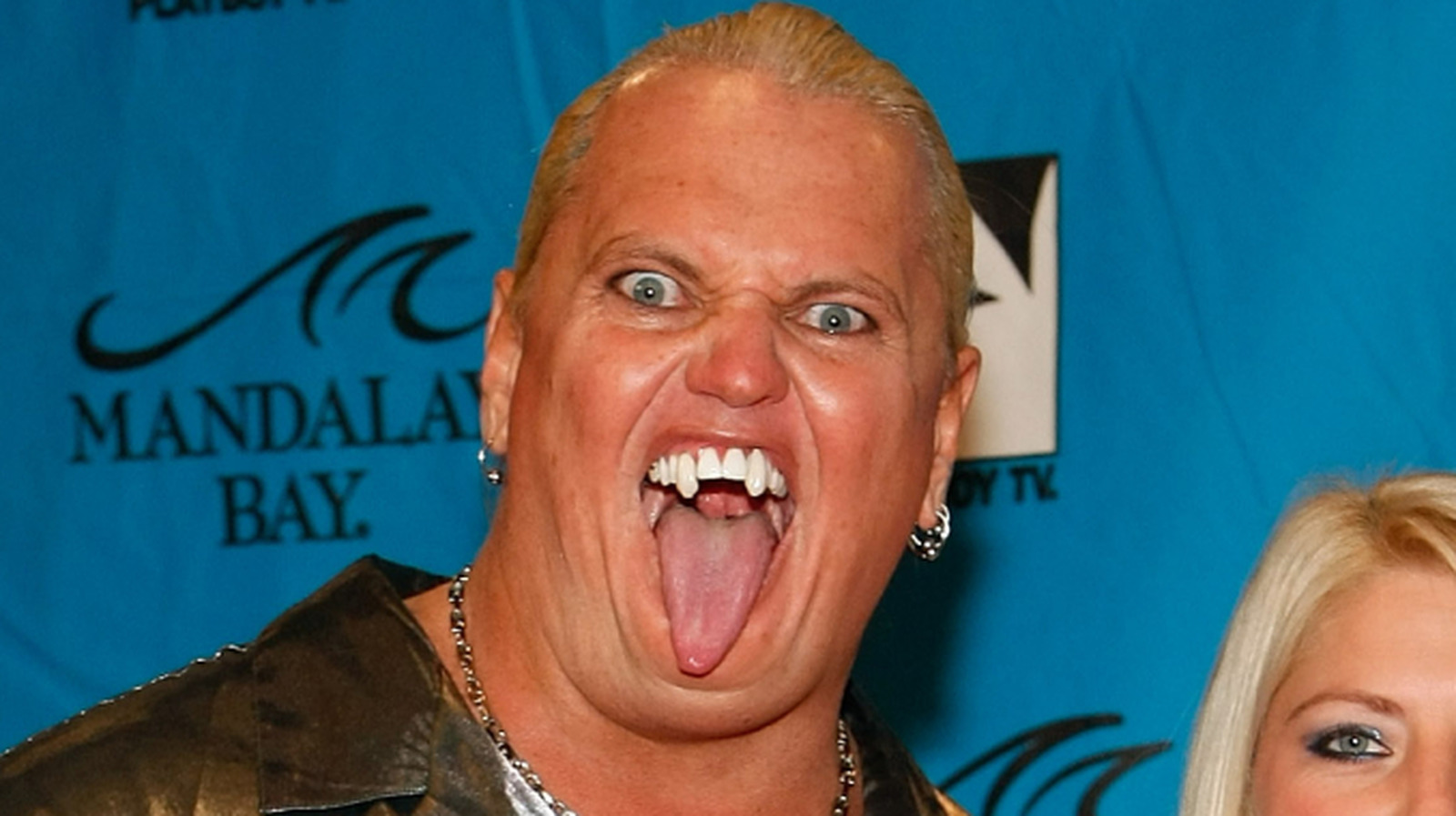
The wrestling industry exists in a constant state of revision. We often look back at the Attitude Era through a tinted lens, ignoring the specific creative choices that have aged poorly. Billy Gunn recently addressed his 1998 impression of The Rock, an segment that featured the use of stage makeup that generated immediate condemnation. When looking at this through a modern technical lens, it serves as a primary example of how loose the creative restrictions were during the late 90s.
Gunn maintains that the intention was purely to garner heat, though he acknowledges the social shift since the nineties. His commentary reflects a common sentiment among veterans who view these moments as distinct products of their time. However, viewing the promo itself reveals a lack of foresight regarding how such imagery would be perceived by a broader audience decades later. The segment is a reminder that in wrestling, what gets a reaction in a specific arena on a given night does not always survive the archive test.
The strategic utility of the heat-seeking promo
In 2026, the mechanics of grabbing attention have changed entirely. Back in November 1998, a performer reached for the lowest common denominator to secure a reaction from a live crowd. The objective was to polarize the viewers in the building to ensure they stayed for the subsequent match. Gunn successfully elicited that response, but the method employed is now effectively nonexistent in major promotions.
We have moved toward a style of engagement based on work rate and narrative complexity. Promos today function as bridges to physical encounters rather than vehicles for shock value. The recent retrospective from Billy Gunn highlights the gap between how wrestlers view their own work compared to how it withstands the scrutiny of history. Gunn argues the outrage is overblown, focusing on the intent of the character development at the time.
Why the past no longer dictates the future
Despite the notoriety of that specific impression, Gunn managed to maintain his relevance through the New Age Outlaws and later iterations of his career. It is a testament to his adaptability that he shifted his character work enough to avoid being anchored to his worst creative blunders. Modern locker rooms are far more structured in how they approach sensitive subject matter, often utilizing script supervisors who look for potential PR liabilities before airtime.
Some analysts suggest that the lack of unfiltered chaos makes for a sterile product, but I find the trade-off worthwhile. There was a 0 percent chance that a major promotion would allow similar creative risks to occur in the current climate. It is a case of the industry correcting its own trajectory. While some might miss the volatility of 1998, it is clear that professional wrestling has professionalized beyond the point of relying on regressive tactics to fill airtime.
The verdict on modern character work
We see wrestlers today finding heat through nuance and social media integration rather than crude caricatures. The current standard is to elevate the match quality while maintaining a veneer of respectability that corporations now demand. Billy Gunn’s willingness to discuss the incident highlights how even the most entrenched veterans recognize the cooling effect that controversy has on a brand. If producers in 1998 had understood the long-term brand impact of such segments, it is highly probable that the footage would have been left on the cutting room floor.
Ultimately, Gunn is a Hall of Famer who understands the audience as well as anyone. Yet, claiming the outrage is overblown misses the point of how modern television operates. The incident serves as a functional bookmark in wrestling history, signaling the end of an era where anything went, regardless of the consequences. We are certainly better off for the move toward a more disciplined creative approach in the current promotion cycle.