An Unplanned Detour
In pro wrestling, the line between a planned spot and a career-altering accident is perilously thin. For Julia Hart, that line was a ringside table. Before she was the stoic, gothic powerhouse of the House of Black, she was the bubbly cheerleader of the Varsity Blonds. That all changed during a match against Kris Statlander, where a mistimed spot involving a table led to a legitimate shoulder injury and a concussion. The immediate aftermath was unclear, but the long-term consequences would redefine her entire AEW career.
The initial injury was a setback, pulling an up-and-coming babyface from television and halting her momentum. Injuries are a constant threat, but for a performer still solidifying their identity with the audience, unplanned time on the shelf can be a death sentence. In Hart's case, however, the injury became an unlikely catalyst.
From Cheerleader to Harbinger
AEW's medical team addressed the physical trauma, but the company's creative team saw a once-in-a-generation storytelling opportunity. The physical manifestation of her injury—first a sling, then a simple eye patch—became a narrative device. It was a vulnerability that Malakai Black, the leader of the House of Black, would exploit with his corrupting black mist. Week after week, the mist seemed to work its dark magic, not just on her eye, but on her psyche.
This slow-burn transformation was a masterclass in long-form storytelling. The eye patch, initially a sign of a real-world injury, morphed into a symbol of her internal struggle. Fans watched as the cheerful veneer cracked, replaced by a vacant, brooding presence. Her refusal to help her Varsity Blonds partners, Griff Garrison and Brian Pillman Jr., was the first clear sign that the old Julia was gone. When she finally turned, snatching Pillman's foot to cost him a match, the turn felt earned, logical, and deeply unsettling. It wasn't a sudden switch; it was the final, grim chapter of a medical horror story.
A New In-Ring Arsenal
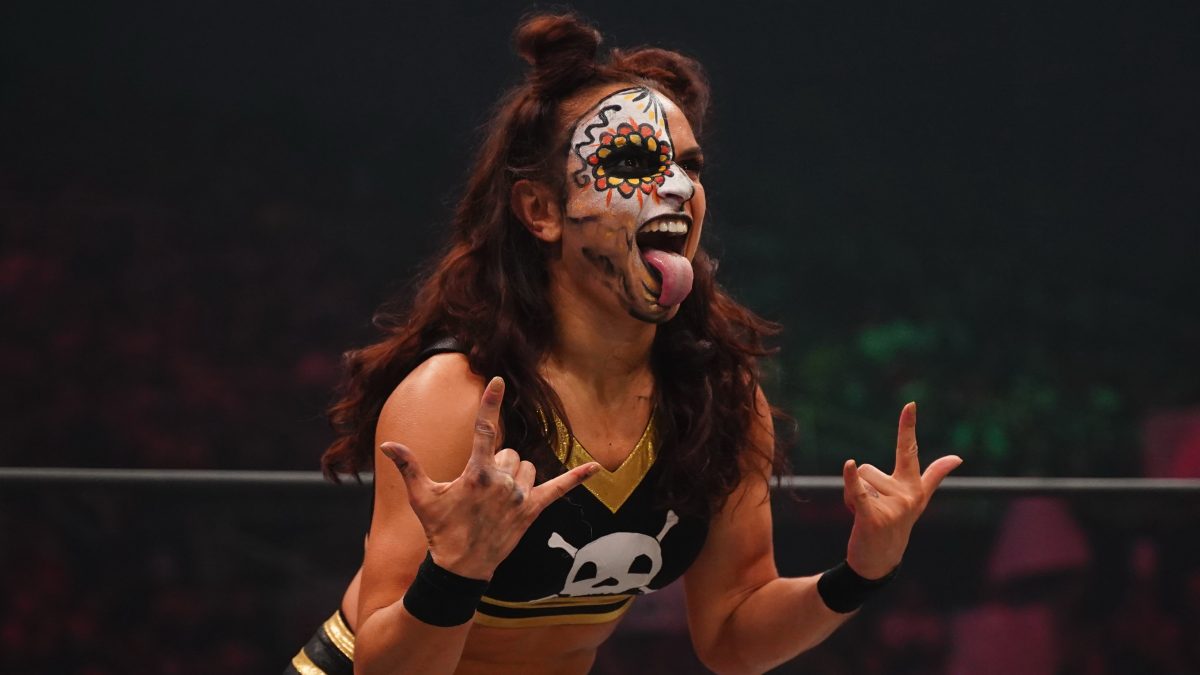
The change wasn't merely aesthetic. Upon her return to active competition as a member of the House of Black, Julia Hart wrestled like a completely different person. The generic, babyface move set was gone, replaced by a vicious, submission-heavy style. Her finisher, a modified rear-naked choke she calls Hartless, became one of the most protected moves in the women's division. She didn't just look the part; she had evolved her in-ring work to match her new, terrifying persona.
This new style was not just for show; it was a smart adaptation. A submission-based offense is often less taxing on a performer's body than a high-flying, high-impact style, particularly for someone recovering from a significant shoulder injury. By grounding her offense in chokes, joint manipulation, and mat-based wrestling, Hart could project an aura of dominance while protecting her body for the long haul. Her subsequent undefeated streak, which lasted for nearly a year, wasn't just a monster push—it was the validation of a performer who had turned a career-threatening injury into their greatest asset.
The Lingering Question
The one critical observation in this successful transformation is how the storyline arguably overshadowed the physical recovery. The narrative was so compelling that public concern for Hart's actual physical well-being took a backseat. The eye patch became a prop, and it was easy for fans to forget it originated from a real, painful injury. While AEW deserves credit for turning a negative into a positive, it's a fine line to walk. Blurring reality and fiction is wrestling's oldest trick, but it's a reminder that behind the gothic makeup and dark rituals, a real athlete was putting in the hard, unglamorous work of rehabilitation.
Ultimately, the table spot that injured Julia Hart didn't derail her career; it launched it into the stratosphere. It forced an evolution that may have otherwise taken years. It's a brutal testament to the idea that in wrestling, the most memorable characters aren't born from success, but forged in failure, pain, and the long road back from injury.