Leila Grey’s injury is a brutal reminder of wrestling's hidden toll

The invisible cost of the grind
In the high-octane world of professional wrestling, the narrative is almost always focused on the next big pay-per-view, the championship gold, or the viral social media clip that defines a career. We fixate on the Leila Grey who commands the ring with a swagger that belies her tenure, the performer who can pivot from a supporting role in a faction to a standalone threat with a single look. But this week, the industry was reminded of the visceral, unglamorous reality that exists behind the curtain: the surgical theater.
News broke via PWInsider that Leila Grey has undergone surgery, a development that serves as a sobering punctuation mark on her recent momentum. While the specific nature of the injury remains a closely guarded piece of internal information—a standard practice in a business where medical privacy is often sacrificed for kayfabe—the implications for her career trajectory are significant. In an era where AEW’s roster is deeper and more competitive than ever, time away is not just a recovery period; it is a battle to remain relevant in the eyes of a fickle, fast-moving fanbase.
A career defined by adaptability
To understand why this injury stings for the viewer, one must look at what Grey has built over the last two years. She wasn't just another body on the roster; she was the ultimate utility player. Whether she was serving as the mouthpiece for Jade Cargill during the historic TBS Championship run or stepping out on her own to test her mettle against the division’s top tier, Grey possessed the rare ability to make every minute of television time count. She understood the assignment, regardless of the role.
Her work in the ring often went underappreciated by the casual observer. While others relied on high-flying acrobatics or brute force, Grey utilized a grounded, opportunistic style that felt earned rather than rehearsed. She sold moves with a level of desperation that made the audience believe in the stakes of a mid-card match, a skill that is increasingly rare in the modern era of spot-heavy wrestling.
The recovery cycle
The road back from surgery is a lonely, grueling process. For an athlete like Grey, it isn't just about physical therapy; it is about the psychological toll of watching the landscape change while you are sidelined. The division moves on, new stars emerge, and the window of opportunity can feel like it is closing with every passing week. Wrestling is a game of momentum, and when the music stops for an injury, the silence can be deafening.
The true measure of a wrestler isn't how they handle the spotlight, but how they navigate the darkness of the recovery room.
We see this cycle play out time and again. Wrestlers return, sometimes better than before, having used the downtime to refine their character or heal nagging issues that had hampered their performance for years. The hope for Grey is that this surgery is the correction she needed to reach the next level of her physical output. It is a chance to reset, to study the game from a distance, and to return with a renewed sense of purpose.
What this means for the AEW landscape
The women’s division in AEW is currently in a state of flux, with shifting alliances and a constant influx of new talent. With Grey out of commission, there is a vacuum in the mid-card that needs filling. This creates a fascinating dynamic: who steps up to take the spots that were previously hers? The hierarchy of the locker room is fluid, and injuries, while tragic for the individual, often act as the catalyst for someone else’s breakout moment.
However, the loss of a performer with Grey's specific skill set—the ability to elevate those around her and bridge the gap between character-work and in-ring execution—is a blow to the overall product. She provided a certain texture to the programming that allowed for more complex storytelling. Without her, the writers have to pivot, and the audience loses a reliable hand who could always be counted on to deliver a solid segment.
The long road ahead
As fans, we owe it to these performers to maintain perspective. It is easy to clamor for a return date or speculate on the return of a character, but the human being behind the leotard is facing months of rehabilitation. The physical demands of the squared circle are unforgiving, and the cumulative damage of bumps, travel, and training creates a toll that few outside the industry can truly comprehend.
- The immediate post-operative phase is critical for long-term mobility.
- Physical therapy will determine the timeline of her return to the ring.
- Mentorship and character development often happen during these hiatuses.
- The pressure to return early often leads to recurring issues in professional wrestling.
We should look at this not as the end of a chapter, but as a necessary intermission. Leila Grey has proven she has the grit to survive the grind of the independent circuit and the polish to thrive on the national stage. If her career thus far is any indication, she will approach her rehabilitation with the same intensity she brings to a heel turn or a tag-team match.
A final thought on the resilience of the athlete
In the coming months, we will undoubtedly see updates on social media—short clips of Grey in the gym, perhaps a cryptic post about her return, or a behind-the-scenes look at her recovery. It is vital that we respect the process. The business of wrestling is built on the backs of athletes who sacrifice their bodies for our entertainment, and while the spectacle is what we pay for, the humanity of the performers is what keeps us invested.
We wish Leila Grey a swift and successful recovery. The ring will be waiting for her when she is ready, and if history is any guide, she will find a way to make her comeback just as compelling as her rise. Until then, the division feels a little less vibrant, a little less sharp, and a little less complete. Get well soon, Leila—the comeback is always better than the setback.
WWE Elite Collection Series 108 - Solo Sikoa Action Figure
A highly articulated action figure of one of the current Bloodline's top stars.
Frequently Asked Questions
Why is Leila Grey currently sidelined from AEW?
What role did Leila Grey play during Jade Cargill's championship run?
How would you describe Leila Grey's in-ring wrestling style?
Why is medical information often kept private in professional wrestling?
What challenges do wrestlers face during the recovery process?
More Coverage
AEW's injury ward creates a booking logjam for summer shows
2 hours ago
WWE roster health check: The mid-summer injury grind hits home
14 hours ago
WWE injury report: Assessing the current roster physical attrition
16 hours ago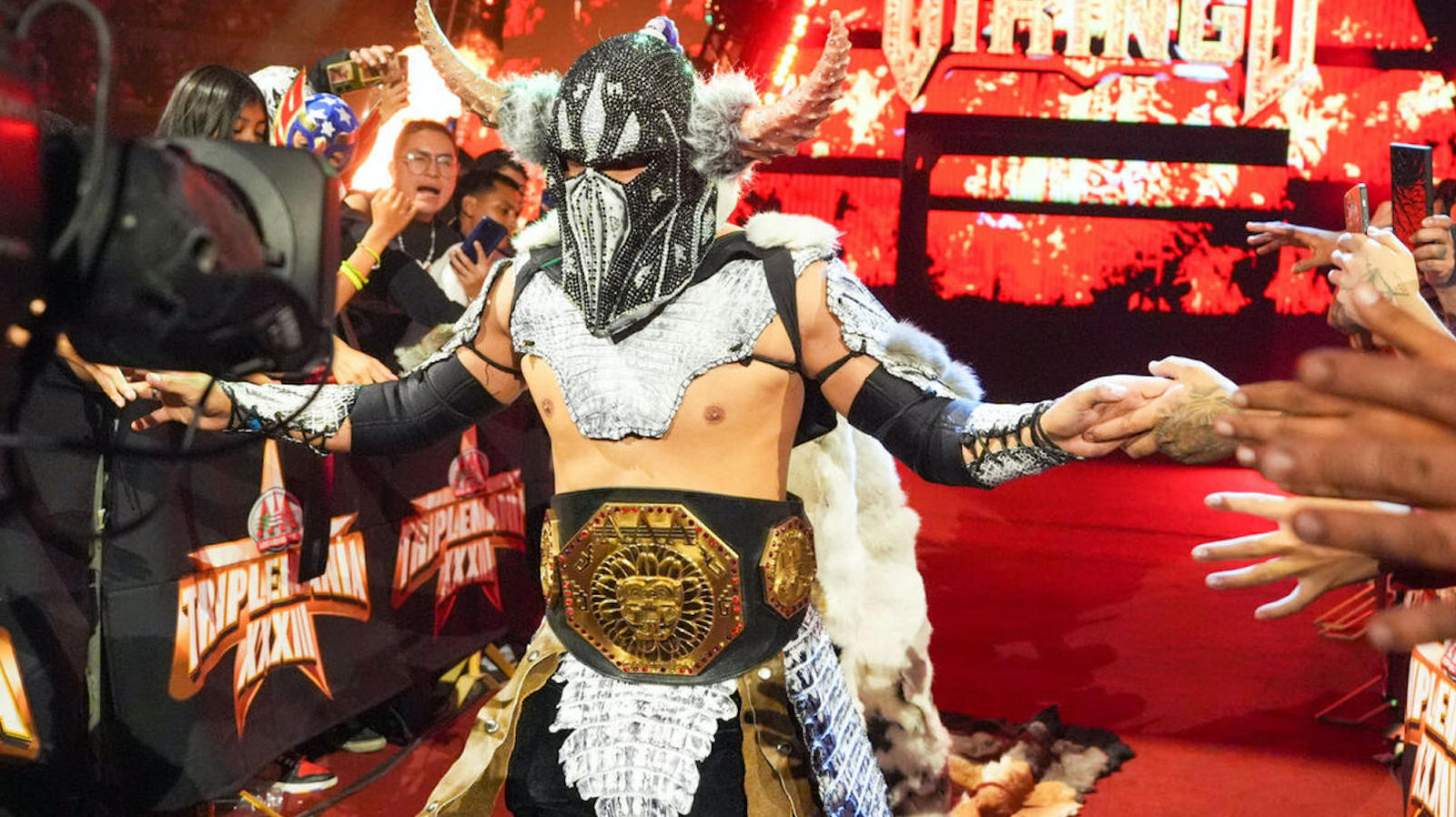
Hijo Del Vikingo faces 9-month recovery timeline following knee surgery
16 hours ago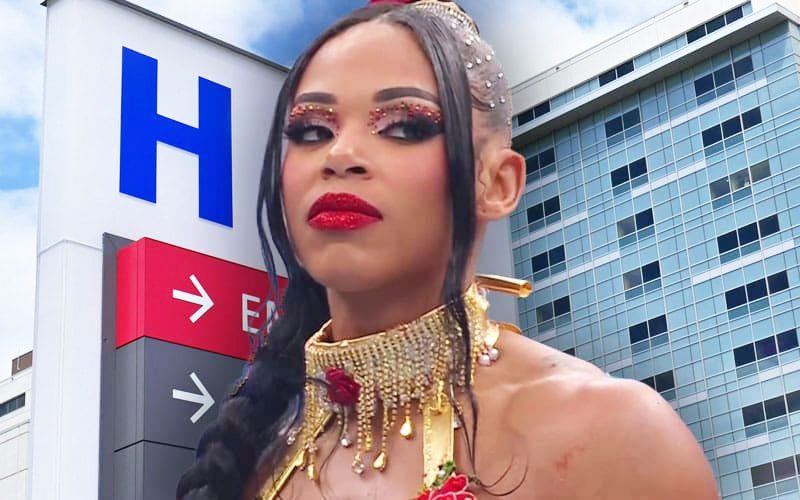
Bianca Belair injury update signals prolonged absence from ring
16 hours agoShota Umino ruled out of G1 Climax after Hokkaido incident
18 hours agoMore Match Reports
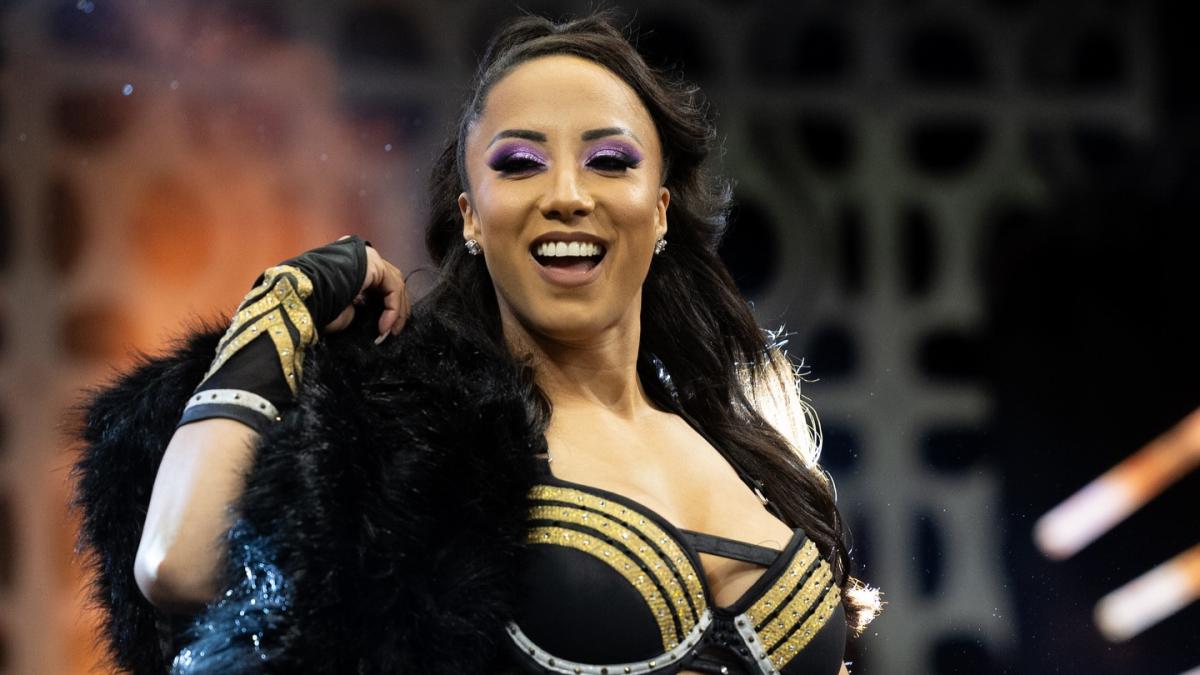
Leila Grey is dealing with the brutal reality of the wrestling grind
3 months, 2 weeks ago
Leila Grey sidelined as AEW star confirms successful ACL surgery
3 months, 4 weeks ago
Toni Storm's sudden exit leaves a massive hole in AEW's women's division
3 months, 4 weeks ago
Thunder Rosa faces reality check: The mental toll of AEW's injury cycle
3 weeks, 6 days ago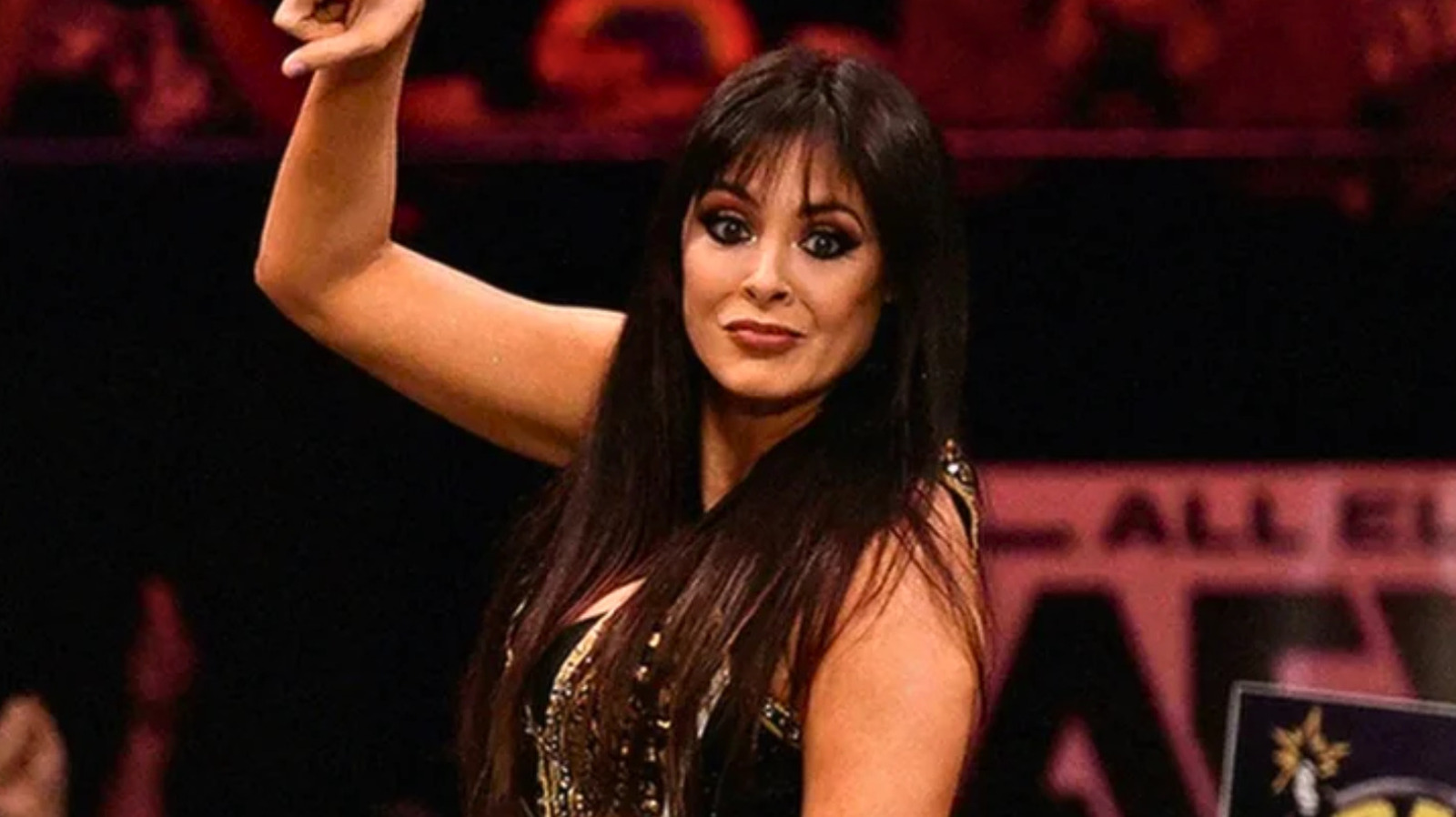
Rebel's Diagnosis Is a Reminder of Wrestling's True Cost
2 months, 2 weeks ago